
Camilla Carr, the Texas-born actress whose work in gritty 1970s exploitation films earned her a devoted cult following, and who later delivered one of the most talked-about guest turns in Designing Women, has died. She was 83.
Carr passed away on February 4, 2026, in El Paso, Texas, from complications related to Alzheimer’s disease and a dislocated hip, her son, writer, poet, and painter Caley O’Dwyer, confirmed.
While she never became a mainstream Hollywood name, Carr carved out a career defined by bold, unsettling performances across film, television, and stage. For fans of regional horror cinema, her collaborations with producer-director S.F. Brownrigg remain essential viewing.
Born September 17, 1942, in Memphis, Texas, Carr attended Kermit High School before studying at the University of North Texas. She began acting in regional theater, including at Theatre Three in Dallas, where she met her first husband, fellow actor Hugh Feagin.
Rise of a Cult Horror Favorite
Carr’s screen legacy is inseparable from Brownrigg, a filmmaker celebrated for wringing atmosphere and shock value out of extremely modest budgets.
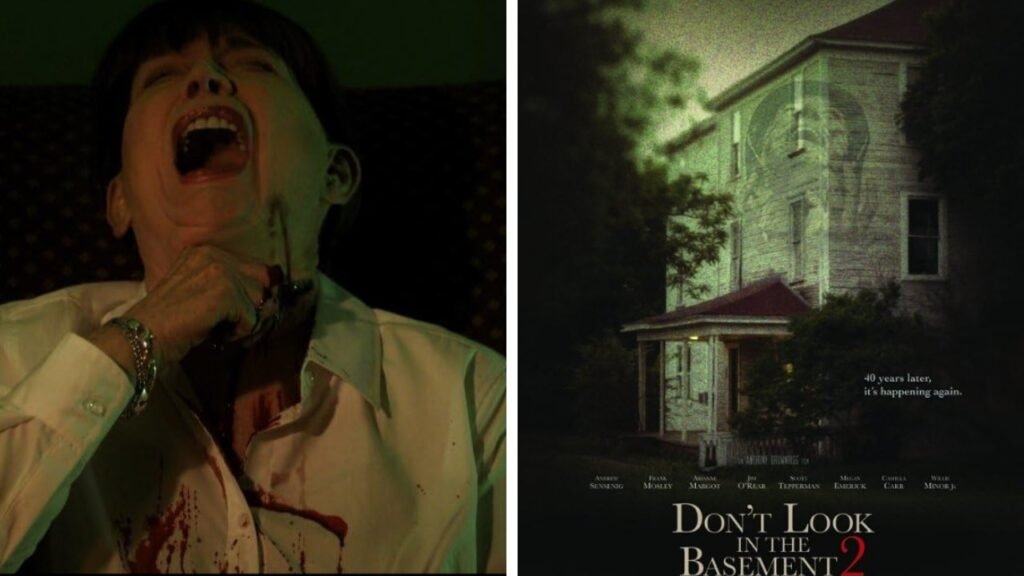
In 1973’s Don’t Look in the Basement, she played an unhinged psychiatric patient who murders a nurse, a role that helped cement the film’s reputation as a drive-in classic. She followed that with 1974’s Poor White Trash Part II (also released as Scum of the Earth), portraying a cunning hillbilly daughter in what became another regional hit.
Her most famous performance arrived with 1977’s Keep My Grave Open. Carr starred as Lesley, a woman convinced she shares her body with the personality of her brother, a delusion that spirals into violence. The role demanded abrupt emotional pivots between vulnerability, repression, and menace, and it remains the performance horror devotees most often cite when discussing her work.
Together, the three films turned Carr into a recognizable figure in exploitation cinema and a staple for genre fans long after their original runs.
Beyond the Asylum Walls
Carr’s career was never limited to horror. She appeared in the Texas-shot crime drama A Bullet for Pretty Boy (1970), starring Fabian as Pretty Boy Floyd, acting alongside Feagin.
She later had a small part in Michael Anderson’s sci-fi landmark Logan’s Run (1976) and showed up in projects including Making Love. Television brought steady work. She appeared on Another World, One Day at a Time, and Falcon Crest, where she played housekeeper Nellie Maxwell across three 1988 episodes.
On stage, she performed in several productions for the Los Angeles Theatre Center, notably taking on the role of Maxine in Tennessee Williams’ The Night of the Iguana in 1991.
The ‘Designing Women’ Episode That Endured
For many viewers outside horror circles, Carr is most vividly remembered for a single, searing appearance.
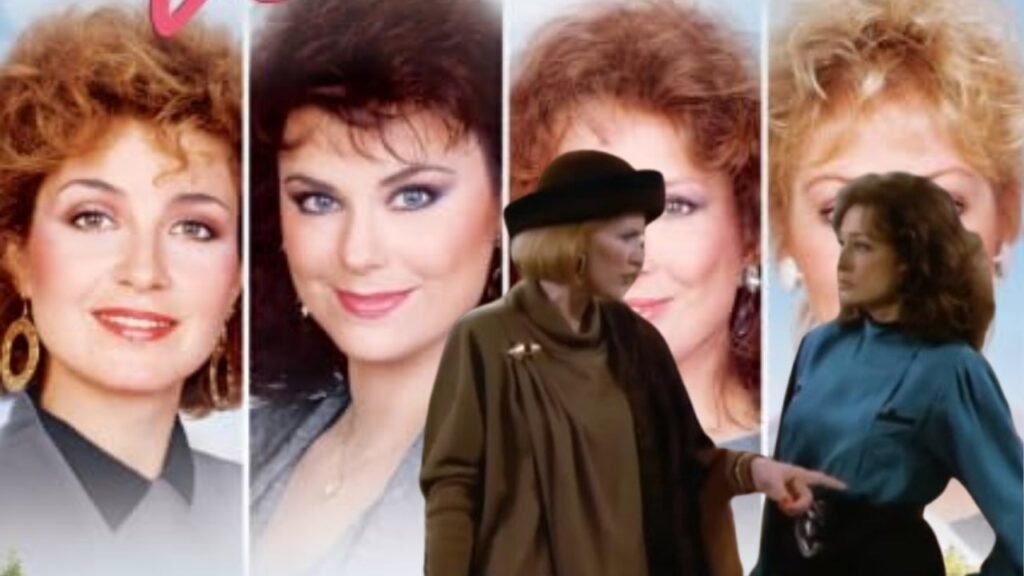
In October 1987, she guest-starred on CBS’s Designing Women in the episode “Killing All the Right People,” written by series creator Linda Bloodworth Thomason. Carr played Mrs. Imogene Salinger, a client who expresses viciously prejudiced views about gay men dying of AIDS. Overhearing funeral arrangements for a young designer, she delivers the chilling line: “As far as I’m concerned, this disease has one thing going for it: it’s killing all the right people.”
The episode aired at a time when stigma and misinformation around AIDS were widespread. Bloodworth Thomason, whose own mother had died after contracting the virus from a blood transfusion, received an Emmy nomination for the script.
Carr’s portrayal was intentionally uncomfortable and widely praised for its realism. Her son later summed it up bluntly: “It was a shitty character, but she did a great job for an important cause.”
A Late Return and a Literary Turn
After stepping away from the screen for decades, Carr returned in 2015 for Don’t Look in the Basement 2, directed by Anthony Brownrigg, the son of her longtime collaborator. The appearance served as a fitting full-circle moment, reconnecting her with the film that launched her cult reputation.
Away from acting, she also wrote. Her 1989 comic novel, Topsy Turvy Dingo Dog, followed a B-movie actress returning to her tiny Texas hometown for a high school reunion, blending industry satire with affectionate regional detail.
Camilla Carr’s résumé is a reminder that the history of American film and television isn’t built solely on blockbusters and marquee names. It also lives in midnight movies, regional productions, and daring television episodes that challenge audiences head-on.
Whether playing a killer in an asylum, a woman fractured by identity, or a figure embodying the ugliest edges of prejudice, Carr committed fully. That fearlessness is why her work continues to be rediscovered, and why, decades later, it still lingers.
