
For nearly 30 years, Ludacris has been a permanent fixture in pop culture. He helped push Southern hip-hop into the mainstream, stacked up chart-topping singles, collected Grammy wins, and then did something many rappers only talk about doing, he built a second, equally visible career in Hollywood. Add smart business moves on top of that, and you get a fortune industry watchers peg at around $40 million.
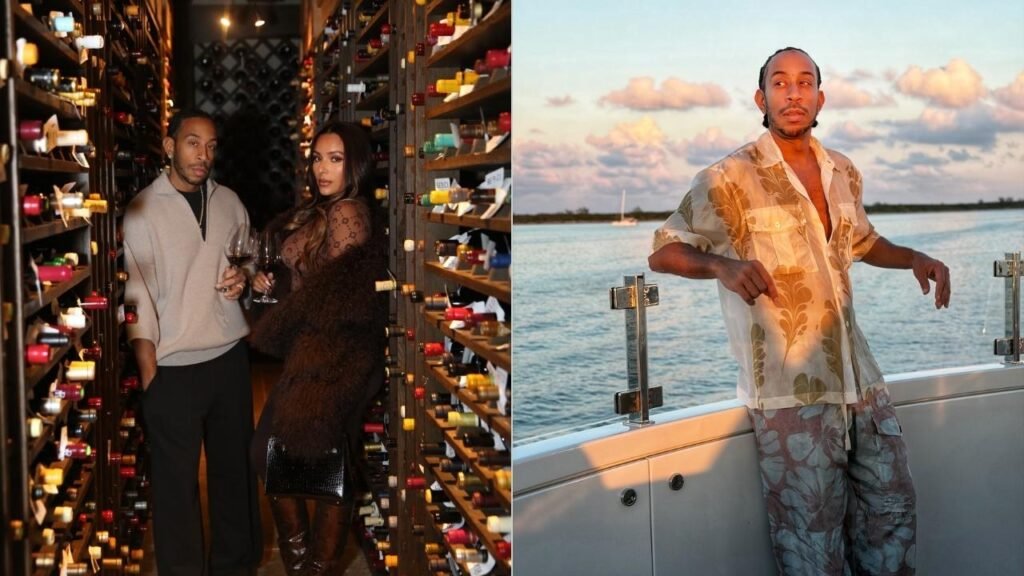
The exact figure will always be fluid, shaped by private contracts, investments, and market shifts. But the path to that mid-eight-figure estimate tells the story of an artist who turned early momentum into long-term infrastructure.
Let’s break down how the money machine works.
From Champaign to Atlanta: The Making of Ludacris
Born Christopher Brian Bridges on September 11, 1977, in Champaign, Illinois, Ludacris is 48 years old in 2026. Though Midwestern by birth, he was largely raised in Atlanta, the city that sharpened his sound and positioned him at the front of the Dirty South movement.
Long before platinum plaques, he was grinding in radio, working as a DJ under the name Chris Lova Lova. The gig gave him priceless industry access and eventually put him in rooms with major players, including Timbaland.
His independent release Incognegro laid the groundwork, but it was 2000’s Back for the First Time that blew the doors open. Fueled by “What’s Your Fantasy” and “Southern Hospitality,” the album announced a new star with humor, swagger, and crossover appeal.
The Catalog: Hits That Still Pay
Like many legacy artists, a significant chunk of Ludacris’ wealth is rooted in music that continues to earn long after release day.
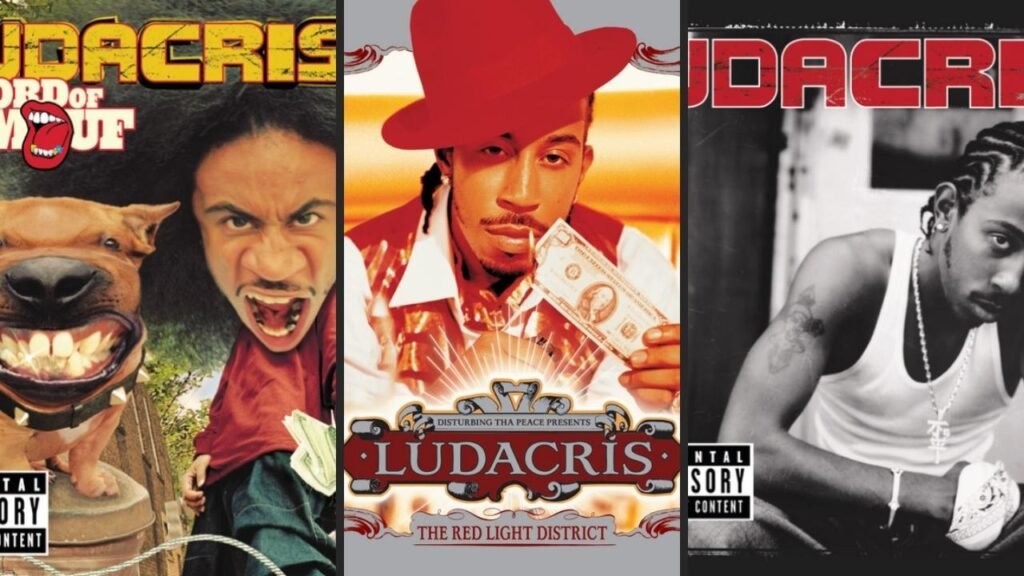
Albums such as Word of Mouf, Chicken-n-Beer, and The Red Light District moved millions of copies in the CD era and now live on through streaming platforms. Meanwhile, Release Therapy debuted at No. 1 and secured him a Grammy for Best Rap Album.
By the close of 2011, he had racked up 15 Top 10 hits on the Billboard Hot 100, including five chart-toppers, whether as the lead or the go-to feature.
Songs like “Rollout (My Business),” “Move Bitch,” “Get Back,” and the Usher smash “Yeah!” remain staples of playlists, clubs, and throwback sets. Performance royalties, licensing, and streams might be pennies at a time, but over decades they snowball.
Touring has historically delivered major cash spikes as well, particularly during his commercial peak.
Hollywood: The Ultimate Career Multiplier
Music made him famous. Film made him ubiquitous. Ludacris’ most recognizable screen role is tech wizard Tej Parker in the blockbuster 2 Fast 2 Furious, a character he reprised beginning again with Fast Five and in subsequent chapters of the franchise. Big-budget ensemble films mean global exposure, sizable salaries, and long-tail residuals.
He also proved his dramatic chops in the Oscar-winning Crash and the acclaimed Hustle & Flow, expanding how casting directors, and audiences, saw him.
Television has supplied another revenue lane. His memorable turn on Law & Order: Special Victims Unit introduced him to a different demographic while reinforcing that he could move between mediums with ease.
For performers who can balance music and film, each side lifts the other. Visibility drives brand value; brand value drives paydays.
Businesses Beyond the Booth
Where Ludacris has truly separated himself from many peers is diversification.
He co-owns Conjure Cognac, giving him a stake in the premium liquor market. He also brought his culinary brand to life with Chicken + Beer, a Southern comfort concept strategically placed in high-traffic airport locations.

Then there’s Soul by Ludacris, plus endorsement relationships with lifestyle and athletic companies such as Puma.
Ownership and equity deals can quietly become powerful wealth engines. A stake that grows over time may end up rivaling, or surpassing, entertainment income, even if it doesn’t generate daily headlines.
Why the $40 Million Number Isn’t Exact
Celebrity net worth figures are financial mosaics assembled from tour grosses, estimated royalty flows, film salaries, property holdings, and educated guesses about private businesses.
Some elements are public; many are not.
As assets appreciate, franchises expand, or investments fluctuate, the estimate moves. That’s why one outlet’s total may differ from another’s, even if they’re studying the same career.
At 48, Ludacris isn’t framed as a nostalgia act. He’s a cross-industry veteran with a durable catalog, a recognizable face in a billion-dollar film franchise, and entrepreneurial bets that keep compounding.
The formula that built his fortune is simple to describe but difficult to execute: turn early success into ownership, stay visible, and keep expanding the brand.
And as those ventures evolve, so will the valuation attached to his name.
