For almost as long as Star Wars has existed, fans have argued about versions which scenes belonged, which didn’t, which edits strengthened the film, and which ones took something away. And somewhere in the middle of all that noise sat a simple, stubborn wish: to see the original theatrical cut again, the way audiences saw it in 1977.
For decades, that hope felt like nostalgia bordering on denial. Lucasfilm treated the Special Editions as the “real” versions. Physical prints of the original cut became collector’s items. And every new release, from VHS to DVD to Blu-ray to streaming, pushed the 1977 cut further into the shadows.
This is why the news has hit fans so hard:
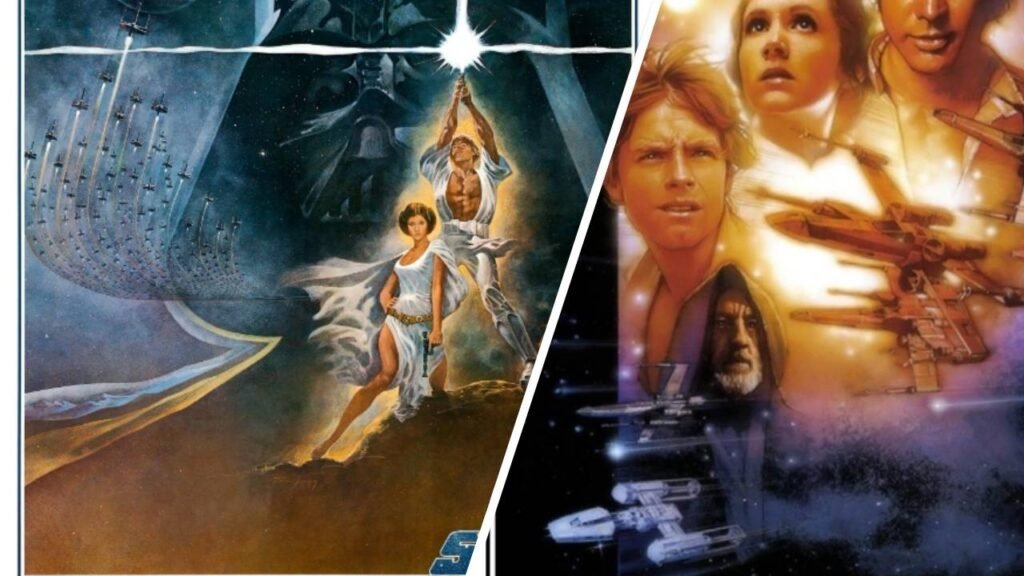
Lucasfilm is officially bringing the original 1977 theatrical release of Star Wars back to theaters on February 17, 2027.
Not a remaster of the Special Edition.
Not a hybrid.
Not a “cleaned-up” compromise.
A newly restored version of the actual theatrical cut, the one that started the phenomenon.
A Change No One Saw Coming
Earlier this year, Lucasfilm announced that Star Wars would return to theaters for its 50th anniversary. People were excited, of course, but also wary. Fans have been misled by vague phrasing before. The Special Editions have dominated for nearly 30 years, reshaping the film’s identity for entire generations.
But then Lucasfilm quietly confirmed what fans had barely allowed themselves to hope for:
This will be the 1977 version, the same one shown earlier this year at the British Film Institute’s Film on Film Festival a rare event that many now realize was a soft launch of this restoration.
In a world where studios often cling to modernized cuts, this decision feels almost surreal. The original Star Wars had been treated like something Lucasfilm wanted to forget and now it’s the centerpiece of a yearlong celebration.
Reports suggest that the film might even play in IMAX, though Lucasfilm hasn’t stamped that as official yet. Still, the possibility alone has fans imagining a scale the original cut has never had before.
The Cultural Weight of Restoring the Original Cut
This isn’t just a movie returning to theaters. It’s the restoration of a piece of cultural DNA.
The original Star Wars is the movie that redefined Hollywood in 1977 long before CGI was a household term, before billion-dollar franchises, before expanded universes.
People didn’t just watch it; they lined up for hours, they returned multiple times, they dragged friends and family who “needed” to see it, and they formed communities before the internet even existed.
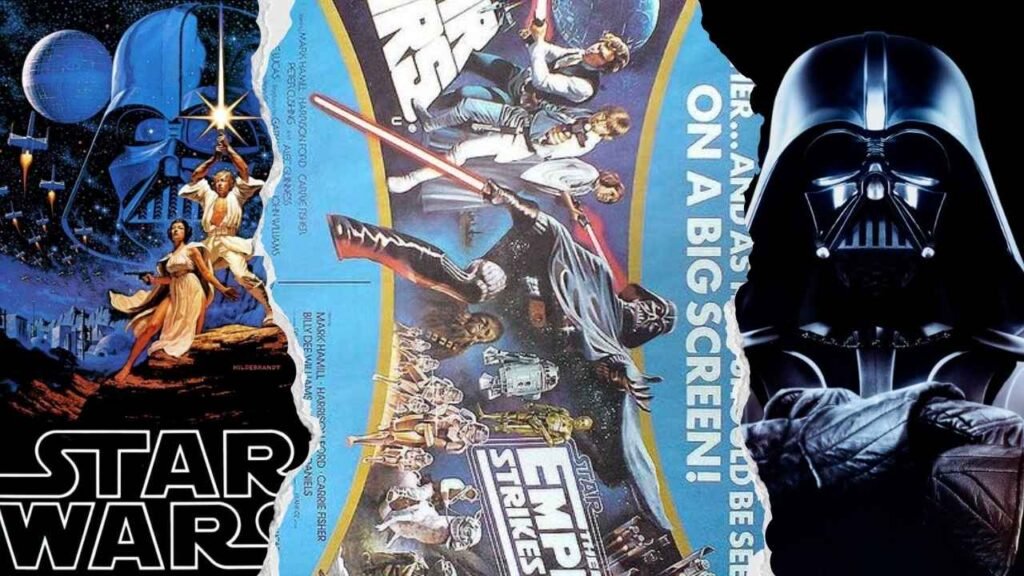
When George Lucas released the Special Editions in 1997, he insisted they represented his true vision. He even said the original was like an unfinished sketch people happened to fall in love with. Whether fans agreed or not, the consequence was the same: the original version was effectively shelved.
That decision created a split. One generation saw Star Wars with practical effects, rougher edges, and a certain 1970s charm. Another grew up with the digital flourishes, new creatures, revised scenes, and infamous changes like Greedo shooting first.
By restoring the 1977 version and giving it a full theatrical run Lucasfilm is acknowledging something it rarely has:
The original version matters.
Not because it’s “more correct,” but because it’s the version millions of people actually experienced, the one that changed storytelling forever.
And for many fans, it’s also the version that feels the most alive.
A Return That Hits Emotionally — Especially in the Bay Area
One of the most striking parts of this story is how much it resonates with fans in Northern California. When Star Wars debuted at San Francisco’s Coronet Theatre in May 1977, it wasn’t just another movie premiere. The place turned into an event the kind people still talk about even though the building doesn’t exist anymore.
The Coronet sat on Geary Boulevard, and during those early months, the surrounding Richmond District felt like it belonged to Star Wars. Lines wrapped the block. Neighbors brought snacks to strangers waiting in the queue. Whole families spent weekends camped outside. Teenagers saw the film, then stood in line again for the next show.
Even after the theater was demolished in 2007, the legacy didn’t fade. Former patrons and employees held reunions, posting photos and stories online sometimes grainy, sometimes sentimental, always heartfelt. They described the Coronet not just as a place where they saw Star Wars, but where they understood movies could create a shared experience.
The 2027 re-release won’t revive the Coronet, but it will revive the feeling. And for many people, that’s enough.
Perfectly Timed for the Franchise’s Next Chapter
The original plan was to release the anniversary cut in April 2027, just weeks before Star Wars: Starfighter hit theaters. But moving the anniversary screening to February creates more breathing room both for fans and for the franchise.

Starfighter, directed by Shawn Levy and starring Ryan Gosling, lands three months later. It’s the first new Star Wars film since 2019’s The Rise of Skywalker, which means the entire franchise is stepping back into the theatrical spotlight.
Placing the original 1977 film earlier in the year almost feels intentional: a reminder of where everything began before the saga expands again.
A Screening That Will Be Hard to Miss and Hard to Forget
There’s something powerful about the idea of seeing Star Wars as it was in 1977. Not digitally polished. Not altered. Not filtered through decades of revisions.
Just the film.
Exactly as it was.
On a giant screen.
For older fans, it’s a chance to relive an experience they thought was gone for good. For younger fans, it’s a chance to see what the world saw in 1977 — why it changed so many lives, why it spawned generations of creators, and why it remains one of the most influential films ever made.
Lucasfilm hasn’t released ticketing details yet, but based on the anticipation already building, it’s safe to expect a rush when the announcement drops.
This isn’t just nostalgia. It’s cinema history coming back to life.
