
A Movie You Felt Before You Even Watched It
There’s something strange about Barbie, and it has very little to do with what happens on screen. Most people didn’t walk into this film curious; they walked in pre-conditioned. By July 2023, the movie had already been explained, debated, memed, praised, and packaged into a neat cultural narrative. Pink had flooded timelines. “Barbiecore” wasn’t just a trend; it was a full-blown identity phase for the internet. You didn’t stumble onto Barbie; it kept showing up until you gave in.
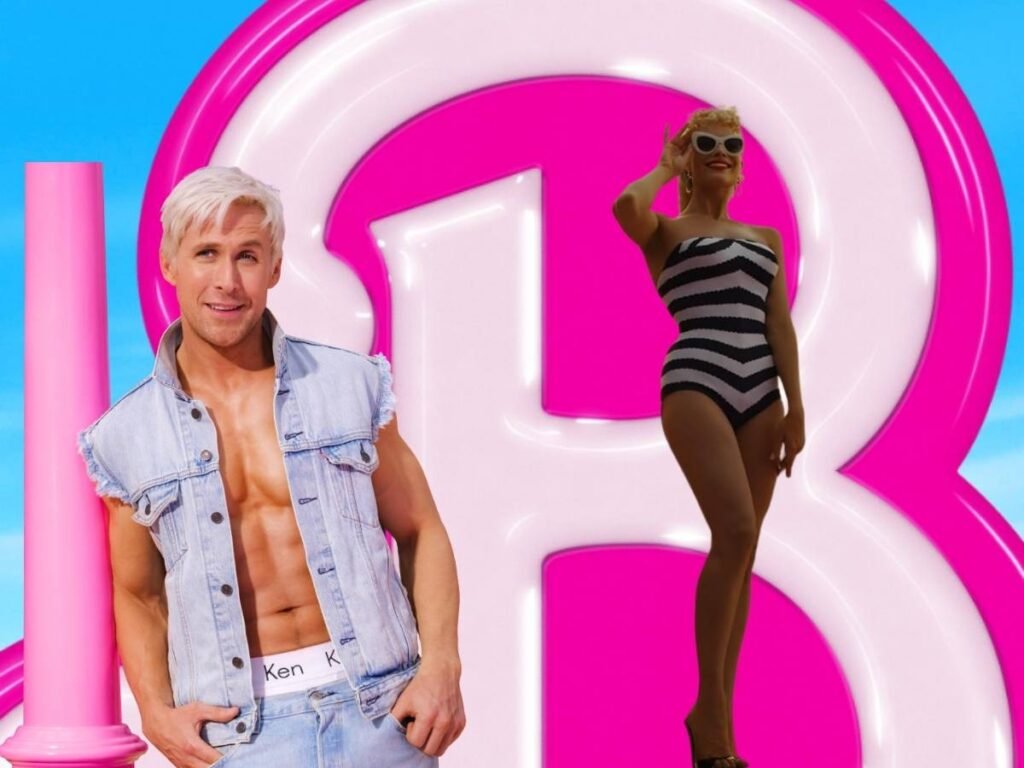
That matters because it changes the nature of the experience. When a film arrives already labeled as smart, important, and fun, you don’t just watch it, you subconsciously try to match that expectation. You’re not forming an opinion from scratch; you’re adjusting to one that’s already been set.
A Billion-Dollar Success Story– And What It Actually Means
There’s no way around the numbers. Barbie crossed $1.4 billion globally, making it not just a hit, but the biggest film of 2023. It also put Greta Gerwig in the record books as the first solo female director to reach that milestone.
Those numbers feel definitive, like proof of quality. But they’re not quite that simple.
Box office success tells you how widely a film connected, not how precisely it executed its ideas. A movie can dominate globally because it’s accessible, well-timed, and culturally relevant. Barbie was all three at once. It arrived at a moment when audiences were craving something shared, something that felt like an event rather than just another release.
And it delivered exactly that. The scale of its success is real, but what that success means is where things get complicated.
The Film Itself: Clever, Self-Aware… and Occasionally Too Eager to Prove It
Underneath all the marketing noise, Barbie is a much more interesting film than its surface suggests. It starts off confident, almost playful in its intelligence. Barbie exists in a world that’s deliberately artificial, a place where everything is exaggerated to the point of parody. The humor works because it trusts the audience to understand the joke without being walked through it.
And for a while, that trust holds. The film uses satire to explore identity, expectations, and the strange pressure of being something people project onto. Barbie isn’t just a character; she’s an idea being forced to confront reality. That’s a strong foundation, and when the film leans into that tension, it feels sharp and purposeful.
But as the story progresses, something shifts. The film becomes more direct, more explicit about what it wants to say. Instead of letting its ideas unfold naturally, it begins to articulate them clearly, almost defensively, as if it’s making sure no one misses the point.
For some viewers, that clarity is what makes the film resonate. For others, it’s where the magic fades a little. Because once a film starts explaining itself, it loses some of the space that allows audiences to engage with it on their own terms.
Two Performances, Two Energies, And a Subtle Imbalance
A lot of Barbie’s emotional grounding comes from Margot Robbie, who plays the role with a surprising level of restraint. She doesn’t overplay Barbie’s transformation. Instead, she lets it emerge gradually, almost quietly, which gives the character a sense of vulnerability that the script alone doesn’t always provide.
Then there’s Ryan Gosling, who operates on a completely different wavelength.
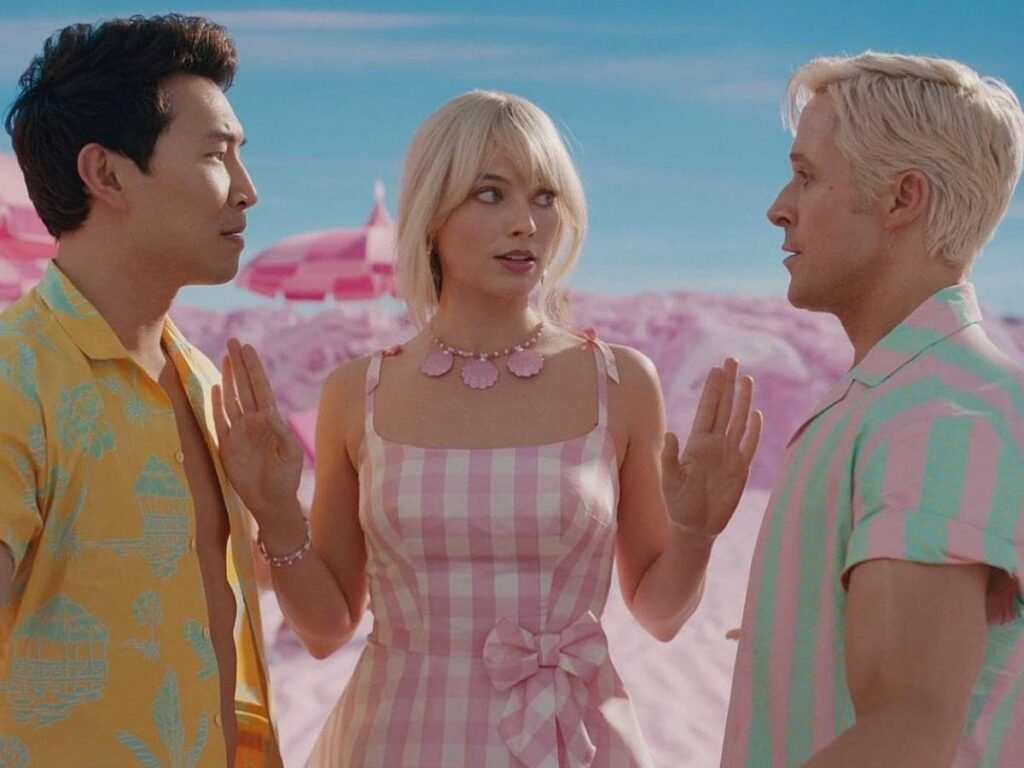
His Ken is loud, insecure, and fully committed to being ridiculous. It’s the kind of performance that doesn’t just support the film, it starts to reshape it. Scenes that might have been transitional suddenly feel like highlights. His energy is so distinct that it pulls focus, sometimes even away from the film’s central arc.
And that creates an interesting tension. The movie is about Barbie discovering herself, but Ken often feels like the character audiences latch onto more easily. Not because he’s deeper, but because he’s more immediately engaging.
Tone, Rhythm, and the Feeling of Being Slightly Off-Balance
One of the reasons Barbie sticks with people is also one of the reasons it divides them.
The film doesn’t commit to a single tone. It moves between absurd comedy, emotional reflection, and cultural commentary with a kind of restless energy. At times, this works beautifully; the contrast keeps things fresh and unpredictable. But it doesn’t always land smoothly.
There are moments where the transitions feel abrupt, where a scene asks you to shift emotionally faster than the film has prepared you for. A joke gives way to sincerity, sincerity gives way to spectacle, and the rhythm doesn’t always hold.
What makes this more complicated is how social media interacts with that structure. Online, films are consumed in fragments, a monologue here, a joke there, a visually striking moment isolated from everything around it. In that format, Barbie looks perfectly balanced. Every piece shines on its own. But when those pieces are experienced together, in sequence, the seams start to show.
How the Internet Quietly Rewrote the Viewing Experience
This is where your question cuts deepest. Social media didn’t just promote Barbie; it prepared audiences for it in a very specific way. By the time people watched the film, they had already absorbed its highlights and its interpretations. They knew which moments were supposed to be funny, which ones were meaningful, which ideas mattered.
So instead of discovering the film, they recognized it.
And recognition creates a sense of agreement. It feels like you’re connecting with the film, when in reality you’re aligning with a version of it that’s already been shaped and circulated.
That doesn’t mean the film isn’t good. It means the experience of watching it is no longer entirely independent.
The “Barbenheimer” Effect and the Power of Shared Moments
It’s impossible to talk about Barbie without acknowledging what happened alongside Oppenheimer. The contrast between the two films turned their release into something bigger than either of them individually. Watching Barbie became part of a shared cultural ritual, something you did not just for the film itself, but for the experience of being part of the moment.
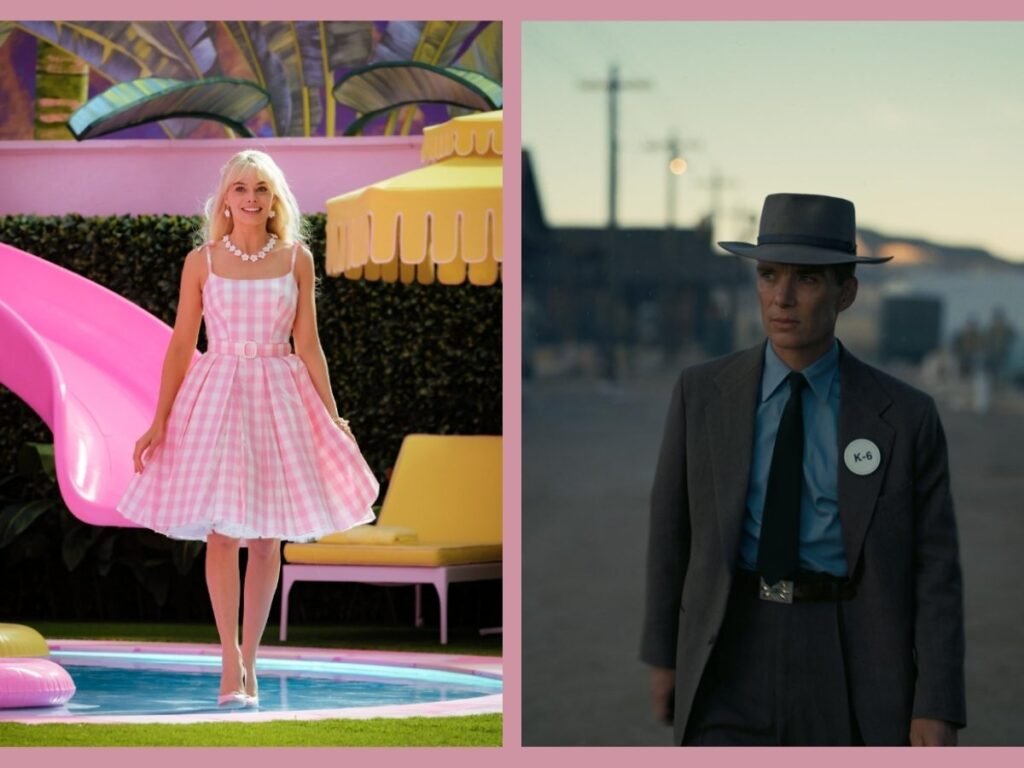
And shared moments have a way of amplifying everything. They make things feel larger, more meaningful, more significant than they might otherwise be. That doesn’t diminish Barbie, but it does complicate how we evaluate it.
So What Are You Really Judging? The Answer You Were Probably Avoiding
If you strip everything back, the marketing, the memes, the cultural framing, what you’re left with is a film that is genuinely creative, occasionally uneven, and more ambitious than most studio projects tied to a brand like this. It’s good. In some moments, it’s very good.
But it’s also a film that benefited from a level of cultural momentum that few movies ever experience.
That momentum didn’t create its strengths, but it definitely softened its flaws. So, was Barbie actually good? Yes. But was it only as good as it felt in that moment? Probably not. Because what people experienced wasn’t just a movie. It was a movie plus a movement, a film plus a conversation, a story plus a constant stream of reinforcement telling them how to feel about it.
And when all of that comes together, it becomes almost impossible to separate the film from the phenomenon. If you watched Barbie today, quietly, without the noise, without the expectations, without the internet already sitting in your head…Would it hit the same way? That’s not a trick question. That’s the real one.
