
When Will Smith walked on stage and slapped Chris Rock at the Will Smith Oscars slap incident, the reaction wasn’t just “that was shocking.” It was visceral. People argued, unfollowed, defended, and dissected it as it had happened in their own social circle.
The same thing played out on an even larger, messier scale during the Depp v. Heard trial involving Johnny Depp and Amber Heard. Millions didn’t just watch; they picked sides, formed communities, created content, and treated every update like a personal stake in the outcome.
That intensity is the interesting part. Because logically, none of this should hit that close to home. These are people most of us have never met, living lives far removed from our own. And yet, when a celebrity we admire disappoints us or gets exposed, we don’t just feel surprised. We feel misled, embarrassed, even betrayed.

This isn’t random overreaction or “people being dramatic.” There’s a pattern to it. Celebrity scandals feel personal because they tap into three powerful forces at once: psychological attachment that mimics real relationships, identity projection where we see ourselves reflected in public figures, and a media ecosystem that amplifies every emotion into a shared, real-time experience.
In other words, it was never just gossip. It was always something closer to a relationship, just one we didn’t fully realize we were in.
Parasocial Relationships: The One-Sided Bond
At the core of this whole “why does this feel personal?” question is a concept psychologists have been talking about for decades: parasocial relationships.
In simple terms, it’s a relationship where one side (the audience) invests emotional energy, time, and trust… while the other side (the celebrity) has no idea you exist. And yet, it doesn’t feel one-sided when you’re in it.
Think about how people engage with celebrities today. You’re not just watching them in movies or listening to their music anymore, you’re following their daily routines, their thoughts, their “unfiltered” moments. Social media has basically turned fame into a 24/7 access pass. Instagram stories, livestreams, candid interviews, it all creates the illusion that you’re seeing the real person behind the persona.
That’s where someone like Taylor Swift becomes more than just a pop star. Her entire brand leans into storytelling and emotional transparency; fans don’t just listen to her music, they map it onto their own lives. Breakups, friendships, personal growth, it all feels shared. Over time, that builds something that resembles trust. Not logically, but emotionally.
And once that trust is in place, any crack in the image hits harder.
You saw that clearly with Shane Dawson. For years, his content style made viewers feel like they were hanging out with a friend, raw, self-deprecating, “no filter.” So when past controversies resurfaced, the backlash wasn’t just criticism; it felt like disappointment from people who believed they knew him. The tone shifted from “this is problematic” to “this isn’t who we thought you were.”
That’s the key. Parasocial relationships blur the line between audience and friendship. So when a scandal breaks, the reaction doesn’t come from a distance; it comes from a place that feels a lot closer, like someone you trusted just broke character.
Identity Attachment: When Celebrities Reflect Us
Parasocial bonds explain why we feel close to celebrities. Identity attachment explains why it stings when they fall.
At some point, admiration quietly turns into alignment. You’re not just following a celebrity, you’re seeing parts of yourself in them. Their values, their attitude, their lifestyle choices start to overlap with how you see yourself. Supporting them becomes a subtle way of expressing your own identity.
That’s why the reaction to scandals often sounds less like “they messed up” and more like “this doesn’t represent me.” Because in a weird, unspoken way, it kind of did. Take Elon Musk. For some, he represents innovation, disruption, and anti-establishment thinking. For others, he’s become a symbol of unpredictability and controversy. As his public behavior and statements have shifted over time, so has the perception of what he stands for.
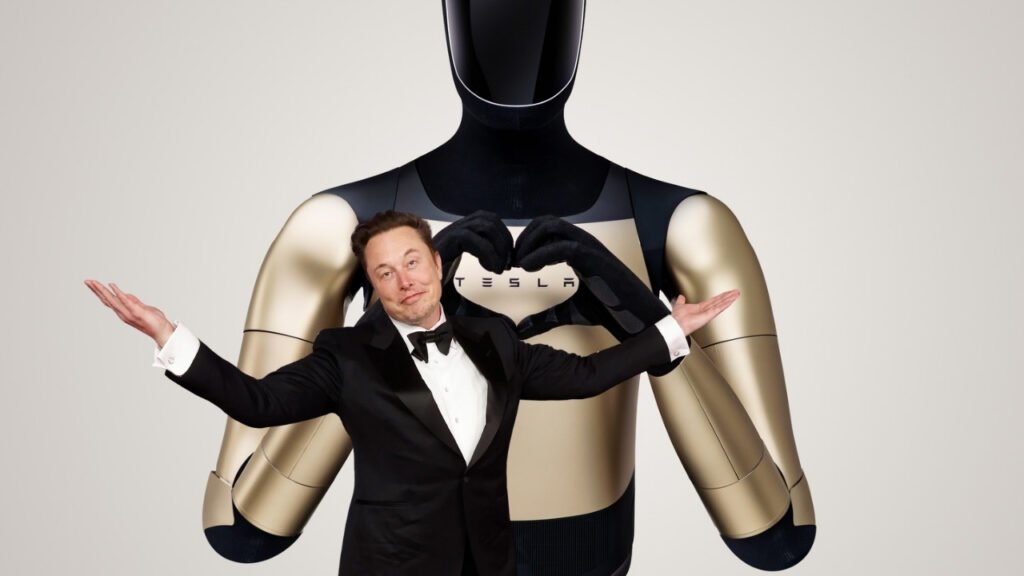
And with that shift, you see people either doubling down in support or distancing themselves hard, because their stance on him reflects something about their own worldview.
The same dynamic plays out, just louder, with Kanye West. His influence goes beyond music; he’s been tied to creativity, confidence, and cultural rebellion for years. Fans didn’t just like his work; they bought into the mindset.
So when controversies started stacking up, it didn’t just challenge his image; it forced fans to reassess their connection to everything he represented. Some stayed loyal, separating art from artist. Others walked away completely, not wanting to be associated with what he had become.
That line, “if they fall, it feels like we were wrong”, isn’t dramatic; it’s accurate. Because when you attach your identity to a public figure, their rise validates you… and their downfall puts that validation into question.
Moral Idealization: Putting Celebrities on Pedestals
Closeness and identity are one thing, but the real emotional spike happens when we turn celebrities into moral benchmarks.
Whether we admit it or not, audiences constantly assign a kind of ethical rating to public figures. We decide who’s “good,” who’s “problematic,” who’s “authentic,” and who’s fake. And once someone lands in that “good” category, we don’t just enjoy them, we trust them. That’s where the role model effect kicks in.
The catch? That image is often built on performance, branding, and selective visibility, not full reality.
Take Ellen DeGeneres. For years, her public identity was rooted in kindness, humor, and the idea of “be kind” as more than just a slogan. So when workplace toxicity allegations surfaced, the backlash hit differently. It wasn’t just “this is disappointing”, it was “this contradicts everything you stood for.” The gap between image and reality is what people reacted to.
Now compare that to the fallout around Bill Cosby. His legacy wasn’t just entertainment; it was built around being a wholesome, fatherly figure, someone audiences associated with trust and moral authority. When the scandal broke, it didn’t just damage his career; it collapsed the meaning people had attached to his entire body of work.
Shows, memories, cultural impact, everything had to be reprocessed through a completely different lens. That’s the risk of moral idealization. The higher the pedestal, the harder the fall, and the more personal it feels for the people who helped put them there.
The Shock Factor: Cognitive Dissonance
Here’s where things stop being subtle and start getting intense. When a scandal directly clashes with the image we’ve built in our heads, it creates a mental tug-of-war known as cognitive dissonance.
On one side, you’ve got the version of the celebrity you’ve followed, trusted, maybe even defended. On the other hand, you’ve got new information that doesn’t fit that version at all. Both can’t be true at the same time, and your brain hates that inconsistency.
So it tries to fix it.
That’s why reactions to celebrity scandals tend to swing to extremes instead of landing somewhere calm and rational. People don’t just “adjust their opinion”; they resolve the discomfort in one of three ways.
Some go into denial, downplaying the situation or questioning the validity of the claims. Others jump into defense mode, reframing the narrative to protect the version of the celebrity they believe in. And then there’s the opposite end, full outrage, where people flip completely, rejecting the celebrity and everything associated with them almost overnight.
You saw all three reactions collide during the Depp v. Heard trial involving Johnny Depp and Amber Heard. The same set of events produced wildly different interpretations depending on what people already believed going in.
That’s the key. The scandal itself matters, but the bigger story is how people process it. Because in that moment, it’s not just about the celebrity anymore. It’s about protecting, or rewriting, the version of reality we were comfortable with.
Social Media Amplification: Outrage as a Collective Experience
Celebrity scandals used to make headlines. Now they unfold like live events, and everyone’s in the front row.
The shift is simple but massive: scandals aren’t processed after the fact anymore. They happen in real time, across platforms, with millions of people reacting, interpreting, and escalating the narrative simultaneously. You’re not just hearing about what happened, you’re watching it explode, frame by frame, take by take.
The Will Smith Oscars slap incident is the perfect example. Within minutes, the clip was everywhere: Twitter, TikTok, YouTube, looped, slowed down, meme’d, analyzed. What could’ve been a shocking moment turned into a global conversation instantly, with people forming opinions before the night even ended.
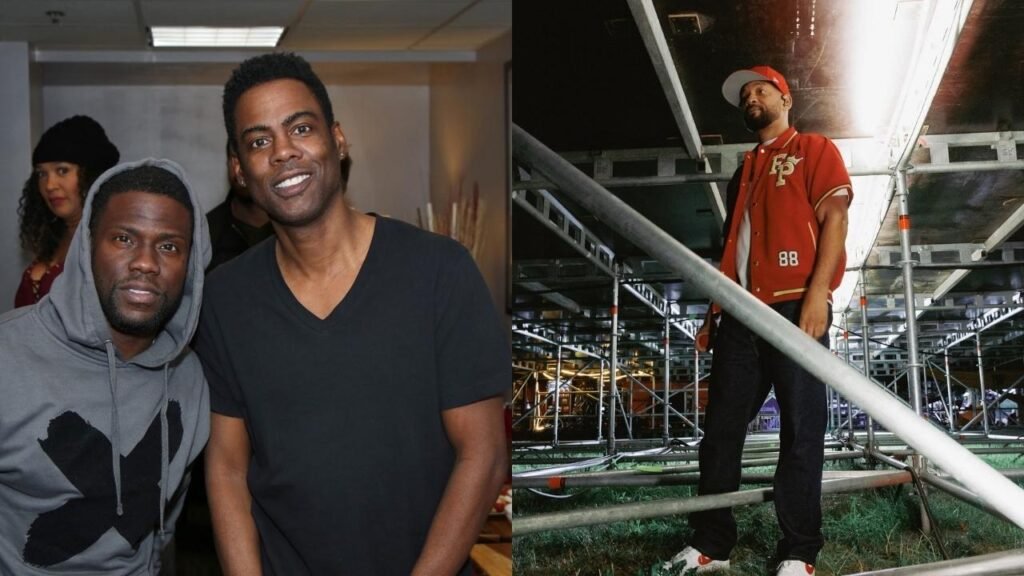
And that speed changes how we feel. Social platforms aren’t neutral; they’re built to amplify emotion. The more shocking, divisive, or dramatic something is, the more the algorithm pushes it. Outrage travels faster than nuance, and suddenly you’re not just reacting to the event, you’re reacting to everyone else reacting.
That’s exactly what happened during the Depp v. Heard trial involving Johnny Depp and Amber Heard. TikTok and YouTube didn’t just report on the trial; they turned it into content. Body language analysis, daily breakdowns, side-by-side “evidence,” reaction videos, it became a full-blown ecosystem where audiences weren’t just spectators, they were participants.
And once you’re participating, the emotional investment goes up. You comment, you share, you defend your stance. The scandal stops being distant news and starts feeling like a collective experience you’re actively part of.
That’s the multiplier effect of social media. It doesn’t just show you the story, it pulls you into it, surrounds you with reactions, and makes the entire thing feel bigger, louder, and far more personal than it ever used to be.
Tribalism: Fans vs. Critics
Once a scandal breaks, it rarely stays a simple “what happened?” conversation. It quickly turns into ” Which Side Are You on?”
That’s because modern fandoms don’t just behave like audiences; they operate like communities, sometimes even factions. Shared admiration turns into shared identity, and before long, defending a celebrity feels a lot like defending your own group.
You can see this clearly in the fallout from the Depp v. Heard trial involving Johnny Depp and Amber Heard. What started as a legal case evolved into a full-scale cultural divide. Online spaces split into pro-Depp and pro-Heard camps, each with their own narratives, evidence threads, and “receipts.” People weren’t just discussing the trial; they were arguing for their side, often with the intensity of a sports rivalry.
That’s the defend vs. cancel mentality in action. Once you’re emotionally invested, neutrality feels almost impossible. Supporting one side can feel like a moral stance, while criticizing them can feel like a betrayal of your own community.
The same pattern shows up with Kanye West. His controversies didn’t just create backlash; they created polarization. Some fans continue to defend his artistry and separate it from his actions, while others reject him entirely. The middle ground exists, but it’s quieter. The loudest voices tend to come from the extremes, where identity and opinion are tightly linked.
And social media only sharpens those lines. Algorithms push content that reinforces what you already believe, surrounding you with people who agree with your stance. Over time, it stops feeling like an opinion and starts feeling like the obvious truth, which makes opposing views feel not just wrong, but almost offensive.
That’s how scandals evolve into tribal battles. It’s no longer just about what a celebrity did; it’s about which side you belong to and how strongly you’re willing to defend it.
Why We Keep Coming Back Anyway?
For all the outrage, disappointment, and “I’m done with them” declarations, the pattern usually ends the same way: we come back.
Not always in the same way, and not always with the same level of loyalty, but the attention rarely disappears. If anything, scandals tend to increase it. Streams spike, old interviews resurface, social media engagement goes through the roof. The same audiences who feel betrayed are often the ones still watching, still clicking, still talking.
Part of it is simple curiosity. Once a story pulls you in, you want a resolution. You want to know what really happened, who was right, who recovered, and who fell off. That need for closure keeps people engaged long after the initial shock fades.
Then there’s the forgiveness cycle. Time softens reactions. New headlines replace old ones. Context shifts. Some audiences start separating the art from the artist, others reinterpret the situation, and slowly, re-engagement begins, whether it’s listening again, watching again, or at least paying attention again.
But there’s also a bigger system at play: the scandal economy. Controversy isn’t just a byproduct of celebrity culture; it’s part of what fuels it. Attention, whether positive or negative, keeps public figures relevant. Media outlets cover it, creators react to it, and platforms amplify it. The entire ecosystem benefits from people staying invested.
So even when a scandal feels like a breaking point, it often becomes just another chapter. Because at the end of the day, celebrity culture runs on attention, and scandals, more than anything else, are very good at keeping that attention locked in.
