
Every time a reboot flops, the reaction is immediate– and weirdly predictable.
“Nobody asked for this.” Another remake bombs? “Hollywood is out of ideas.” The internet rolls its eyes, audiences blame nostalgia culture, and the project gets filed under the same familiar label: proof that reboots are ruining entertainment.
Simple explanation. Clean villain. Easy outrage. Except… it’s not that simple. Not even close. Because reboots are not automatically bad any more than sequels, adaptations, or original films are automatically good. A reboot is just a format. A framework. A familiar doorway into a story world people already know.
What decides whether it succeeds or collapses is something far less flashy: The writing.
And that is where the real problem begins.
Too many failed reboots are built backward. The title gets approved first. The logo gets redesigned. Release dates get mapped out. Marketing plans start humming. But the script—the actual thing audiences spend two hours experiencing, often feels like the last concern instead of the first priority. So what do viewers get?
Characters who feel thinner than their original versions. Dialogue that sounds assembled in a boardroom. Emotional stakes that never land. Plotlines powered by references instead of momentum. Entire scenes designed less to move the story forward and more to trigger recognition.
Remember this line. Remember this costume. Remember this song. Recognition gets mistaken for storytelling.
And nostalgia, while powerful, has a short shelf life. It can create curiosity, maybe even opening-weekend hype. But it cannot carry weak characters, flat pacing, or a script with nothing new to say. Audiences may show up for memories, but they stay for quality.
That is why some reboots thrive while others get roasted into dust.
When the writing is sharp, people suddenly stop complaining about the reboot itself. They praise the reinvention. They celebrate the fresh take. They call it “surprisingly good,” as if quality was never an option. But when the writing is lazy, the reboot becomes symbolic, a punching bag for every frustration people have with modern Hollywood.
The same format. Different outcome. Because audiences do not hate reboots nearly as much as they claim. They hate being sold brand familiarity in place of actual substance. They hate when creators misunderstand what made the original work. They hate when beloved worlds return with nothing meaningful to offer.
In other words, they do not hate reboots. They hate bad storytelling. And once you notice that distinction, the conversation changes completely.
Audiences Have Always Accepted Reboots– When They’re Good
One of the most repeated myths in pop culture is that audiences automatically reject reboots on principle. That people see an old title returning and instantly decide it should not exist.
Sounds convincing. Falls apart quickly.
Because if viewers truly hated reboots as a concept, some of the most celebrated franchise successes of the last two decades would never have happened. Instead, many were embraced so completely that people forgot they were once viewed with skepticism.
Take Batman Begins.
By the time it arrived in 2005, Batman was not exactly standing on sacred ground. Batman & Robin had turned the brand into a punchline, nipples on the suit, toy-commercial energy, and enough tonal confusion to scare a studio for years.
The character needed resurrection, not recycling. Then Christopher Nolan delivered a grounded, psychologically driven version of Batman that treated the material seriously. Suddenly, the reboot was not a desperate move. It was a prestige cinema.
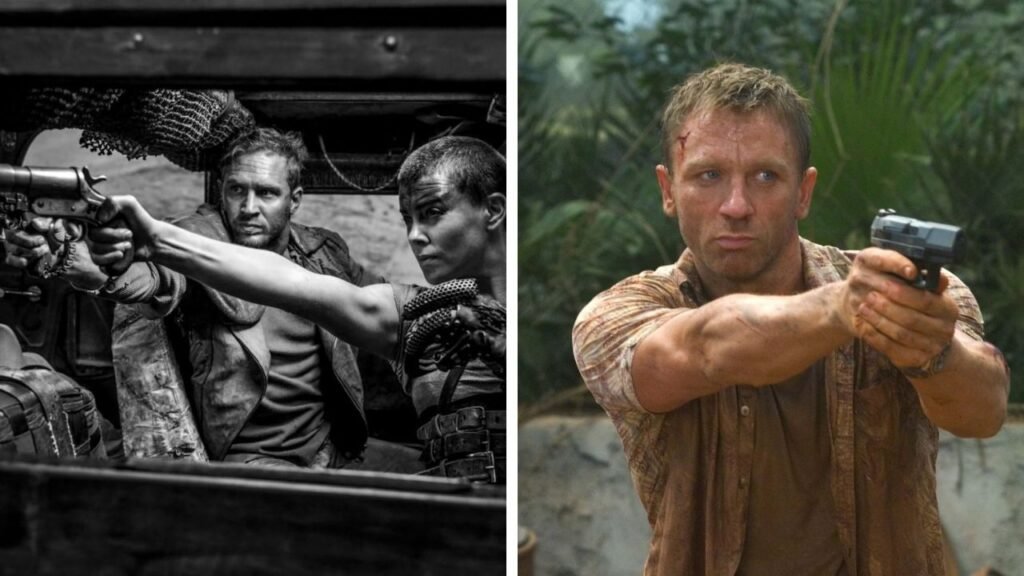
Then there is Casino Royale, which did something riskier: it stripped James Bond down. Less gadget fantasy, more bruised humanity. Daniel Craig’s Bond bled, failed, chased love badly, and looked like he had actually been in a fight. Many doubted the casting, doubted the tonal shift, doubted whether Bond needed reinvention at all.
Then the film landed, and those doubts evaporated into box office receipts and critical praise.
Mad Max: Fury Road may be the clearest example of all. A decades-old franchise returning with a new lead, minimal exposition, and relentless visual storytelling sounds like the kind of project internet cynicism should feast on. Instead, it became one of the most acclaimed action films of its era. The conversation moved from Why are they rebooting this? to How did they make it this good?
Television pulled the same trick with Cobra Kai. On paper, it looked like pure nostalgia bait: revive The Karate Kid, revisit old rivals, collect easy clicks. In execution, it became smarter than expected, funny, self-aware, emotionally layered, and surprisingly interested in how adulthood reshapes old identities. It used nostalgia as an entry point, then built something new on top of it.
Even Planet of the Apes, a franchise many assumed had said everything it needed to say, returned with a modern trilogy that was more thoughtful and emotionally ambitious than anyone predicted. What could have been a hollow brand exercise became a respected sci-fi saga about power, empathy, fear, and survival.
Notice the pattern. Before release, these projects faced the same skepticism modern reboots always face. Why remake it? Why revisit it? Who asked for this?
After release, that energy changed. Because success has a funny way of deleting philosophical objections. When something is genuinely good, audiences rarely stay committed to anti-reboot ideology. They adapt quickly. They make exceptions. They move the goalposts.
Suddenly the reboot is “worth it,” “different,” or “the right way to do it.” And that reveals something important: people are often not rejecting the reboot itself. They are predicting low quality based on experience. Sometimes fairly.
Many reboots are lazy, rushed, or creatively hollow. Audiences have learned pattern recognition. But when a project arrives with strong writing, clear vision, and real effort, viewers usually respond the same way they always have: They welcome it.
Nobody keeps insisting a great movie should not exist once they have enjoyed it. Success does not just win money or reviews. Success rewrites the discourse.
Nostalgia Is Not a Substitute for Story
Nostalgia is one of Hollywood’s most reliable currencies.
It can sell a trailer in thirty seconds. A familiar score begins, an old hero reappears, a legendary prop enters frame, and audiences instantly feel something. Memory moves fast. Studios know that a single callback can trigger years of emotional association before the story has even started. That power is real.
But it also creates one of the biggest traps in modern franchise filmmaking:
Mistaking recognition for substance.
Because nostalgia can generate excitement, curiosity, even opening-weekend ticket sales. What it cannot do is carry an entire movie once the initial rush wears off. Audiences may cheer when they recognize something, but they still need characters, tension, stakes, and payoff after the applause ends.
And many failed reboots learn that lesson too late. One common mistake is using iconic music cues where emotional build-up should be. Instead of earning a moment through writing, the film borrows emotion from the audience’s memory.
You hear the classic theme, and the movie hopes that feeling does the heavy lifting. It can work sparingly. Used constantly, it becomes emotional outsourcing. Another issue is treating cameos like plot.
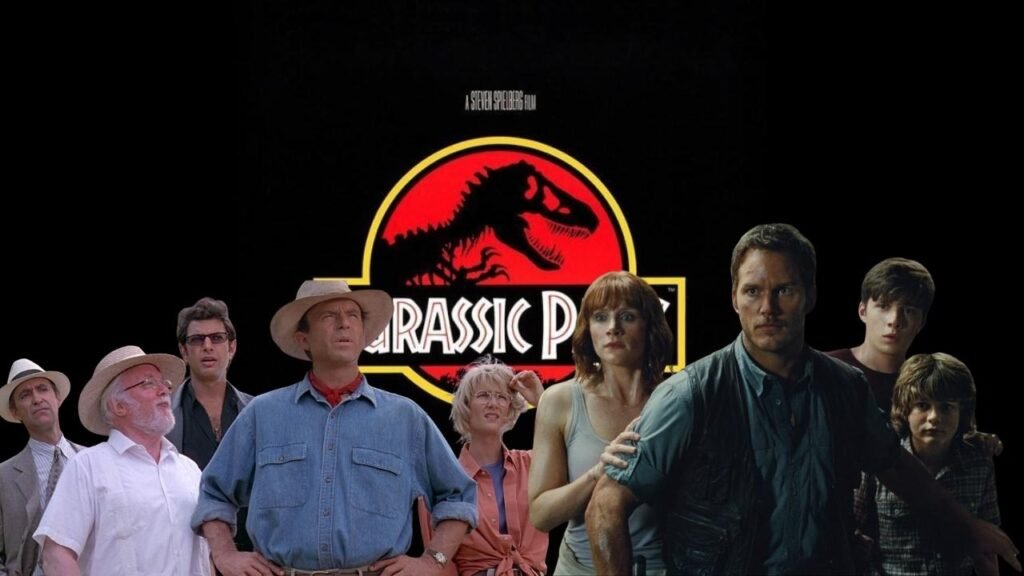
Jurassic World Dominion brought legacy stars back, which created hype and fan curiosity. But for many viewers, familiar faces could not fully mask a crowded narrative and uneven focus. Presence alone is not progression. A beloved actor appearing on screen is not the same thing as meaningful storytelling.
Then there is the Easter egg overload problem.
Space Jam: A New Legacy became one of the clearest examples of modern IP excess. The film was packed with recognizable Warner Bros. properties, background references, and brand signals. Viewers certainly had things to point at. But many critics and audiences felt there was far less to emotionally invest in once the spotting game ended.
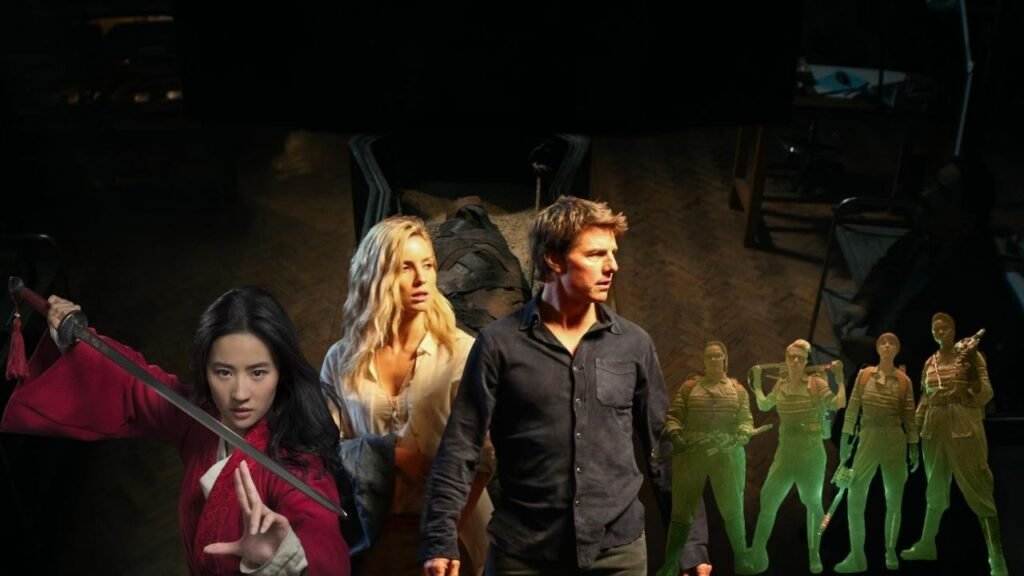
That is the danger of references replacing character arcs. Copying visuals without capturing spirit is another common failure point. Mulan (2020) looked expensive and visually polished, but many viewers felt it lost the underdog warmth, musical energy, and emotional journey that made the animated original beloved.
The imagery evolved. The heart became harder to find.
And sometimes films fall into a relentless “Remember this?” rhythm.
Old lines return. Familiar props reappear. Signature poses get recreated. Legacy moments are echoed scene by scene. What should feel rewarding starts feeling mechanical, less storytelling, more museum exhibit. This is where nostalgia hits its ceiling.
It can open the door. It can bring people back. It can create goodwill before the first act is over. But it cannot carry two hours of entertainment on its own. If the characters are flat, nostalgia fades. If the stakes are weak, nostalgia fades. If the script has nothing new to say, nostalgia fades fast.
The most successful legacy projects understand this. Top Gun: Maverick did not rely solely on memories of the 1986 original. It used nostalgia as emotional support while building fresh stakes, stronger character closure, and modern momentum. The past enhanced the story, it did not replace it.
That is the real distinction. Fans do not return only to remember something old. They return hoping to feel something new inside something familiar.
Bad Writing Shows Faster in Familiar Worlds
One of the toughest realities about reboots is that they do not get the luxury of anonymity.
Original films often have room to hide their flaws at first. Everything is new, the world, the tone, the rules, the characters. Audiences spend the opening act learning how things work, which can create patience.
Weak exposition may feel like setup. Thin characterization may feel like mystery. Generic worldbuilding can pass temporarily because viewers have no earlier version to compare it to.
Reboots do not get that grace period.
The moment a familiar title returns, audiences already know what the world is supposed to feel like. They remember the tone, the rhythm, the humor, the danger, the emotional texture. Even if they cannot articulate it, they carry an internal blueprint. So when something feels wrong, they notice faster.
That is why weak writing often looks worse inside a reboot than it would inside an original project. Take flat dialogue. In a fresh film, bland lines may slide by if the premise is interesting enough.
But in a franchise known for memorable voice or personality, flat writing becomes glaring. Many viewers felt this with Independence Day: Resurgence, where the original’s pulpy charisma and quotable energy were replaced by dialogue that felt far more mechanical and generic.
Misunderstood characters are another instant red flag.
When audiences know a character deeply, they can sense when a reboot only understands the costume. Terminator Genisys struggled here for many viewers. The franchise once thrived on tension, dread, and sharp identity questions about fate and humanity.
But when legacy characters become vehicles for convoluted plot mechanics rather than emotional weight, fans feel the disconnect quickly.
Then comes internal logic, or the lack of it.
Original stories can teach audiences new rules as they go. Familiar franchises already have rules, expectations, and tonal boundaries. When a reboot bends them carelessly, it stands out. Jurassic World Dominion was criticized by many for chaotic plotting and narrative leaps that felt less grounded than the original Jurassic Park, which had a cleaner central premise and tighter internal logic despite involving cloned dinosaurs.
Forced modern references can also age badly at high speed.
Studios often try to prove an old property is “current” by stuffing scripts with trend language, meta humor, or social-media flavored dialogue. But modernizing style is not the same as modernizing substance. Some viewers felt Charlie’s Angels (2019) leaned into update signals more than developing a truly distinct identity that could stand beyond the moment.
Then there are generic stakes, the blockbuster disease. Everything must be bigger. Cities collapse. The planet is in danger. Reality itself may break. Yet somehow, it feels smaller.
Why? Because scale without emotional investment is just noise. Ghostbusters: Afterlife connected more strongly for many fans when it focused on family grief and legacy than when it leaned purely into spectacle. Personal stakes often matter more than apocalyptic ones.
And perhaps the clearest sign of weak reboot writing is when characters stop feeling human and start acting like brand mascots. They say the signature line on cue. They strike the recognizable pose. They wink at the audience. They reference their own mythology. Instead of living inside the story, they perform their trademarks.
That is when audiences check out. Because familiar worlds come with built-in memory. Fans know how these characters once behaved when the writing was sharper. They know how the tension once felt when stakes were real. They know when charm has been replaced by branding.
Which leads to the bigger truth: A reboot does not create bad writing. It simply shines a brighter light on it.
Misunderstanding Why the Original Worked
This is where a lot of reboots quietly fall apart, even before the first trailer drops.
Because the core issue is not effort. It is an interpretation.
Studios usually understand what the original looked like. They can recreate the costumes, rebuild the sets, update the visuals, and replicate the most recognizable lines with near-technical precision.
But what they often miss is the deeper question: What actually made audiences care in the first place? And when that question gets answered incorrectly, everything that follows starts to feel slightly off-even if nothing is “objectively” wrong.
So instead of rebuilding the soul of the original, many reboots end up reconstructing its surface. We see it again and again. Costumes get copied, but emotional stakes disappear.
You can see this clearly in The Mummy (2017). It had the branding, the action scale, even the attempt at a shared universe direction, but it lacked the sense of adventure, charm, and escalating danger that made earlier versions resonate with audiences. The visual identity was there. The feeling was not.
Catchphrases are preserved, but personalities shift. That’s a subtle but deadly mistake. When Terminator: Genisys reuses iconic lines from earlier films, it should feel powerful—but for many viewers, it felt hollow because the character foundations underneath those lines had been reshaped. The words survived. The meaning didn’t.
Aesthetics get modernized, but heart gets lost.
Ghostbusters (2016) is a strong example here. The film had the recognizable brand elements, updated visuals, and modern comedic tone, but many audiences felt it struggled to recreate the original’s specific blend of chemistry, improvisational rhythm, and supernatural charm. It looked like Ghostbusters. It didn’t quite feel like it.
And then there is the trend-chasing problem.
Instead of asking what the original was about, reboots sometimes ask what will currently sell. That leads to tonal confusion, older properties reshaped to fit modern franchise expectations rather than their own identity.
Jurassic World films, for instance, lean heavily into blockbuster escalation and corporate spectacle, but many viewers still argue the original Jurassic Park worked because it was fundamentally a tense survival story grounded in awe and fear, not just scale.
This is the real gap. Because what fans remember is rarely just the logo or the IP itself.
It is the feeling architecture underneath it. Chemistry between characters that felt effortless. Sincerity in tone that didn’t constantly undercut itself. Danger that felt real, not algorithmically designed. Emotional vulnerability that made characters human, not invincible.
A worldview that gave the story meaning beyond spectacle. Character dynamics that felt lived-in rather than constructed.
Think about Top Gun (1986) versus Top Gun: Maverick. The original worked not just because of jets and style, but because of ego, rivalry, grief, and identity under pressure. The sequel succeeded years later precisely because it understood that emotional structure first, and built nostalgia on top of it, not instead of it.
That is the difference. When creators misread the original as “cool visuals + famous lines,” they rebuild the shell and wonder why it feels empty.
But when they understand the original as “human relationships + emotional stakes + tone,” the reboot has a chance to actually mean something. And when that misunderstanding happens?
Even a visually polished reboot feels hollow. Because audiences are not attached to the IP itself. They are attached to what the IP made them feel.
Why Audiences Say “We’re Tired of Reboots”?
At this point, it becomes clear that the popular frustration with reboots is often misunderstood, even by the people expressing it. On the surface, it sounds like audiences are rejecting the entire idea. The internet shorthand is familiar: “Stop remaking everything.” “Nobody asked for this.” “Hollywood is creatively bankrupt.”
But if you look closely at how audiences actually respond over time, the picture is more nuanced.
Because viewers don’t consistently reject reboots. They reject badly executed ones.
When a reboot works, the conversation shifts almost immediately. Mad Max: Fury Road wasn’t dismissed for being unnecessary, it was praised for reinventing action storytelling.
Casino Royale didn’t get rejected for restarting Bond, it was celebrated for rethinking him. The Batman didn’t get criticized for existing, it was debated for how seriously it reinterpreted the character.
Even Top Gun: Maverick, a film built almost entirely on legacy, nostalgia, and continuation, was embraced because it delivered strong emotional storytelling alongside its familiarity.
So clearly, the issue is not the format. The issue is what gets done with it.
What audiences are actually reacting to, often repeatedly, is a pattern of creative shortcuts:
Cynical cash grabs disguised as nostalgia-driven projects.
Franchises revived more for IP value than narrative purpose. Films that feel designed by committee rather than driven by vision. Unfinished or underwritten scripts that rely on brand recognition to compensate for storytelling gaps.
You can see this frustration in reactions to projects like Transformers: The Last Knight, where spectacle replaced coherence for many viewers. Or Independence Day: Resurgence, which leaned heavily on legacy appeal but struggled to justify its own narrative existence. Or
The Mummy (2017), which attempted to launch an entire shared universe without establishing a strong emotional or storytelling foundation first. And perhaps most importantly: hollow fan service.
This is where many modern reboots get exposed. When callbacks, cameos, and references become the primary structure instead of supporting elements, audiences feel it quickly.
Films like Space Jam: A New Legacy became central examples in this conversation, packed with recognizable IP moments, yet often criticized for lacking a strong emotional or narrative core beneath the surface.
There is also the problem of repetition itself, not just of franchises, but of creative intent. The same properties return again and again, sometimes within short cycles, but without a meaningful shift in perspective.
When Jurassic World continues the Jurassic Park legacy with increasing scale but diminishing thematic sharpness, or when multiple legacy sequels revisit old characters without evolving what they represent, audiences start to feel the fatigue.
Not because they hate familiarity. But because familiarity without purpose starts to feel empty. And that leads to the real translation of the phrase “we’re tired of reboots.”
It is rarely a rejection of the idea itself. It is a rejection of what the idea has too often become:
“We’re tired of lazy ones.” That is the real divide. Not reboot versus original. Not old versus new. But thoughtful storytelling versus recycled execution.
Because when reboots are made with intention, care, and strong writing, audiences don’t resist them. They embrace them.
