
Before some people even say good morning to their families, they have already checked in on three strangers. A creator is making iced coffee in a spotless kitchen while explaining their morning mindset. A streamer is clipping last night’s chaotic rant after losing five matches in a row.
A celebrity is suddenly “reportedly single,” sending the internet into detective mode. An AI influencer has posted another flawless sunset selfie despite not technically existing. And somehow, all of this can feel weirdly personal.
We know who always cries during movie reactions. We know which podcaster hates Mondays. We know the pop star who disappears after heartbreak and returns with a revenge album. We know the YouTuber whose dog had surgery last month. We know the reality star’s relationship timeline better than some of our cousins’.
We laugh with them. We defend them in comment sections like unpaid lawyers. We worry when they vanish for a week. We celebrate their wins like a friend got promoted. We mourn their breakups, cancellations, scandals, retirements, and occasionally their haircut choices.
But they do not know we exist.
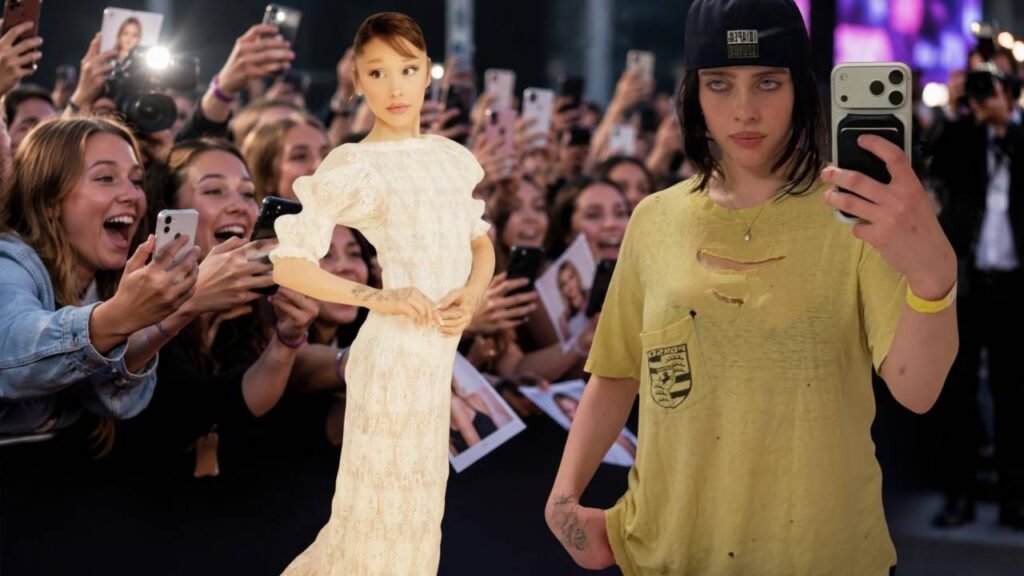
That strange, intimate, one-way emotional bond has a name: parasocial relationship.
The term once belonged mostly to media psychology textbooks and discussions about television hosts or movie stars.
In 2026, it belongs everywhere. It lives in fandom culture, influencer marketing, livestream communities, stan wars, political loyalty, shopping habits, loneliness epidemics, and the emotional economies of social media.
Parasocial relationships are no longer rare side effects of fame. They are part of daily life.
And to be fair, they are not automatically unhealthy. Sometimes they comfort people through difficult seasons. Sometimes they inspire confidence, creativity, fitness, or belonging. Sometimes they simply make lonely days feel less lonely.
But in the age of recommendation feeds, nonstop content, subscriber tiers, private communities, and personalities optimized for attention, these bonds have become more intense, more profitable, and far more psychologically messy than they used to be.
We didn’t just start following people online. We started feeling connected to them.
Why Our Brains Form These Bonds So Easily?
Parasocial relationships can feel strange when you describe them out loud. Why would someone feel emotionally connected to a person they have never met, who may never know their name, and whose job is essentially posting content?
Because the human brain did not evolve for comment sections, livestreams, or twenty-part skincare routines. It evolved for connection, pattern recognition, familiarity, and social bonding. Digital media simply learned how to press those buttons very efficiently.
Familiarity Creates Attachment
One of the oldest tricks in psychology is simple exposure: the more often we see something, the more comfortable and likable it tends to feel.
That is why a creator who appears in your feed every morning can begin to feel like part of your routine. You may know nothing truly personal about them, but repeated presence creates emotional familiarity.
A travel vlogger narrating breakfast in Tokyo. A fitness coach shouting motivation at 6 a.m. A comedian posting the same lunchtime sketch series every day. Over time, they stop feeling like strangers and start feeling like fixtures in your life.
Even short-form content can do this. Thirty seconds a day sounds small until it becomes six months of seeing the same face, hearing the same voice, learning the same mannerisms, and predicting the same jokes. That repetition can mimic the rhythm of friendship.
We often mistake frequent visibility for genuine closeness.
Vulnerability Feels Like Trust
Humans are wired to respond to emotional openness. When someone shares pain, insecurity, embarrassment, or struggle, it often signals trust in normal relationships.
Online, that same instinct still activates.
When a creator films themselves crying after burnout, talks about childhood trauma on a podcast, shows an unfiltered apartment during a depressive episode, or posts a breakup update through teary mascara, audiences often feel they are being “let in.”
And sometimes they are. But emotionally, viewers may experience that disclosure as intimacy even when it is being shared with millions.
That is why fans often say things like:
“I feel like I really know them.”
“They’re so real.”
“She tells us everything.”
It is not foolishness. It is psychology. Our brains often interpret vulnerability as closeness.
Consistency Feels Safe
In uncertain times, predictability becomes comforting. A familiar creator uploading every evening can become a small emotional anchor. Their voice is expected. Their format is known. Their jokes land on schedule. In a chaotic world, that reliability matters more than people admit.
This became obvious during lockdown years, when daily vloggers, gaming streamers, and chatty podcasters became background companions for millions. For some people, a cooking channel at noon and a Twitch stream at midnight were not just entertainment. They were structure.
Even now, comfort content thrives for the same reason. The podcast host whose calm voice helps listeners commute. The book reviewer whose Sunday uploads feel ritualistic.
The late-night streamer people fall asleep to because hearing someone else ramble into a microphone feels less lonely than silence. Sometimes we do not attach because someone is extraordinary. We attach because they are there.
Why Parasocial Relationships Feel Stronger in 2026?
Parasocial relationships are not new. People adored movie stars, radio hosts, and television personalities long before Wi-Fi entered the chat. Fans once screamed for The Beatles, wrote letters to soap opera actors, and felt heartbreak when sitcom characters left their favorite shows.
What is new in 2026 is the intensity.
The modern internet has taken an old psychological tendency and upgraded it with precision tools: algorithms, constant access, personalized feeds, and personalities available around the clock. If older media planted the seed, modern platforms built a greenhouse around it.
Algorithms Personalize Attachment
In the past, everyone watched roughly the same channels. In 2026, two people can open the same app and live in completely different emotional universes.
One person gets fed gaming streamers, another gets wellness creators, another gets celebrity gossip analysts, another gets a soft-spoken home chef who whispers through pasta recipes like a therapist with olive oil.
The key difference is repetition.
Platforms quickly learn which faces hold your attention, then keep serving them back to you. The creator you watched twice becomes the creator you see daily. The daily creator becomes the person whose absence you notice.
This is emotional conditioning disguised as convenience. Your feed is not just recommending content. It is rehearsing familiarity.
Creators Are More Accessible Than Celebrities Ever Were
Classic celebrities felt distant. Fans saw them in interviews, magazines, or during promotional tours. They lived behind gates, agents, and glossy mystique.
Modern creators live in your pocket.
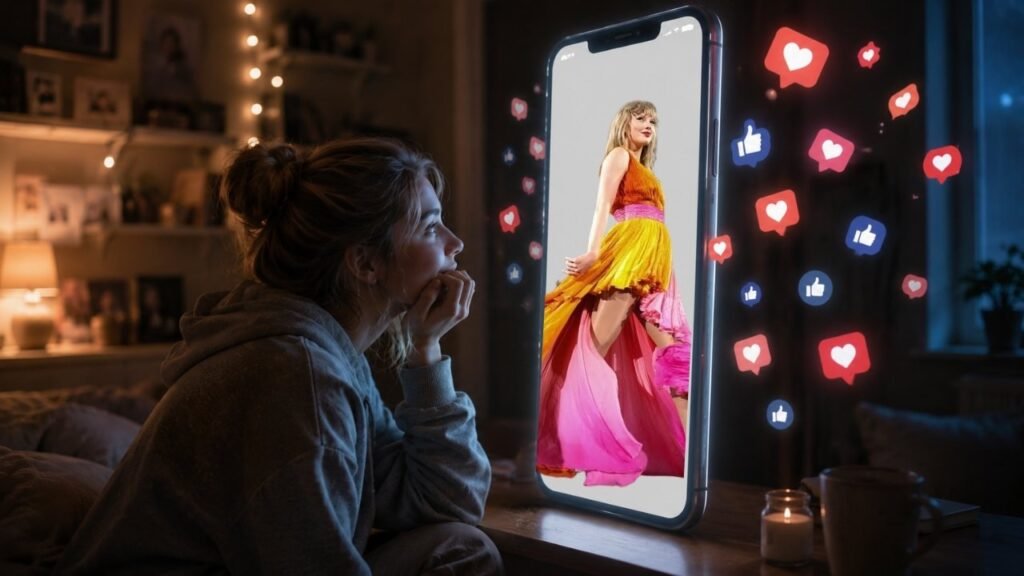
They reply to comments with “thank you bestie.” They like fan edits. They react to memes about themselves. They jump on livestreams while folding laundry. They remember usernames in chat. They ask followers what haircut to get.
That level of access creates something powerful: the illusion of mutuality.
Even tiny interactions can feel enormous:
- A heart reaction from a favorite creator.
- A reply saying “you’re so sweet.”
- A streamer reading your comment aloud.
- A podcaster saying, “You guys know me better than anyone.”
None of these equal friendship, but emotionally, they can feel adjacent to it.
Content Never Ends
Old Hollywood stars disappeared between films. You might see an actor in one movie, then wait two years for the next sighting. Now a creator can appear in your life four times before dinner.
Breakfast vlog. Afternoon livestream. Evening story-time rant. Late-night private subscriber update titled “I need to be honest with you.” There is no natural distance anymore.
The audience no longer waits for access. Access is continuous. Every meal, mood swing, vacation, skincare routine, relationship hint, panic attack, merch launch, and random Tuesday thought can become content.
Connection becomes constant because presence becomes constant. And constant presence often feels like intimacy.
AI Influencers Blur Reality Further
Then 2026 adds its strangest twist: some personalities are not even human.
AI influencers now post selfies, flirt in comments, remember preferences, host livestream-style interactions, and maintain perfect consistency without fatigue, scandal, aging, or sleep.
They can be endlessly charming because they are endlessly generated. A human creator may miss uploads, burn out, or log off. An AI personality can remain emotionally available forever.
That changes the psychology entirely. Parasocial attachment used to form around real people who happened to be distant. Now it can form around synthetic personalities designed to simulate closeness from the start.
The line between audience connection and engineered companionship gets blurrier every year. And the brain, inconveniently, still responds to warmth even when warmth is coded.
The Good Side: Why Parasocial Bonds Can Help People
It is easy to talk about parasocial relationships like they are automatically dangerous, embarrassing, or proof that society has gone off the rails. That makes for dramatic headlines, but it misses the truth.
Not every one-sided connection is unhealthy.
Humans have always formed emotional bonds through stories, voices, and public figures. People found comfort in radio hosts, late-night TV personalities, authors, athletes, and fictional characters long before anyone was posting “day in my life” content.
The real question is not whether parasocial bonds exist. It is whether they help, harm, or simply fill a human need. And in many cases, they genuinely help.
Community Gateway
Sometimes the most valuable relationship is not between fan and creator at all. It is between fans themselves.
A shared admiration can become a social bridge. People meet in comment sections, Discord servers, fan forums, local meetups, watch parties, gaming chats, book clubs, and group timelines built around a creator or fandom.
A K-pop fan might make international friends through comeback season chaos. A podcast community might connect listeners who share the same humor and life struggles. A film critic’s audience might become a space where strangers debate cinema like old classmates.
The creator may be the magnet. The real connection happens between people.
Emotional Support
For people dealing with loneliness, grief, anxiety, chronic illness, or isolation, a familiar online presence can feel grounding. That does not mean a creator replaces therapy, friendship, or real support systems.
But comfort still matters.
- A calm podcast host during a sleepless night.
- A cheerful gamer streaming while someone eats dinner alone.
- A grief counselor on YouTube explaining emotions that viewers cannot yet name.
- A comedian whose daily sketches become a small reason to smile during a hard month.
Sometimes healing does not arrive dramatically. Sometimes it arrives as background noise that makes the room feel less empty.
Inspiration and Growth
Not all influence is shallow. Some creators genuinely help people improve their lives.
Fitness channels motivate beginners to move their bodies without gym intimidation. Study creators help students build focus routines.
Artists encourage people to start drawing again after years of self-doubt. Financial educators explain budgeting in language normal humans can understand. Activists introduce audiences to issues they may never have explored otherwise.
Many people have changed habits because someone online made growth feel possible.
- Started running.
- Learned to cook.
- Returned to reading.
- Applied for jobs.
- Left toxic relationships.
- Began therapy.
The internet can sell insecurity, yes. It can also spark progress.
Representation Matters
There is powerful emotional value in being seen. For years, many people rarely saw themselves reflected in mainstream media unless through stereotypes, token roles, or complete absence. Digital platforms changed that equation.
A disabled creator openly discussing daily life with humor and confidence. A queer couple sharing ordinary domestic joy instead of tragedy narratives. A regional voice speaking in a local accent once ignored by national media.
A niche creator discussing culture, religion, body type, or identity with authenticity rather than translation. For underrepresented communities, that visibility can feel deeply affirming.
Sometimes parasocial connection is not “I wish I knew them.” Sometimes it is “I did not know someone like me could exist this openly.” That feeling can be life-changing.
The Nuance That Matters
Parasocial bonds become a problem when they replace reality, exploit vulnerability, or erase boundaries.But when they offer comfort, community, motivation, or representation, they are not evidence of weakness.
They are evidence that connection even imperfect connection still matters.
When It Turns Unhealthy?
Parasocial relationships are not automatically harmful, but like many things built from genuine human needs, they can become unhealthy when boundaries disappear.
The problem usually is not caring about a creator. People care about artists, athletes, entertainers, and public figures all the time. The problem begins when admiration quietly turns into dependence, entitlement, or emotional instability.
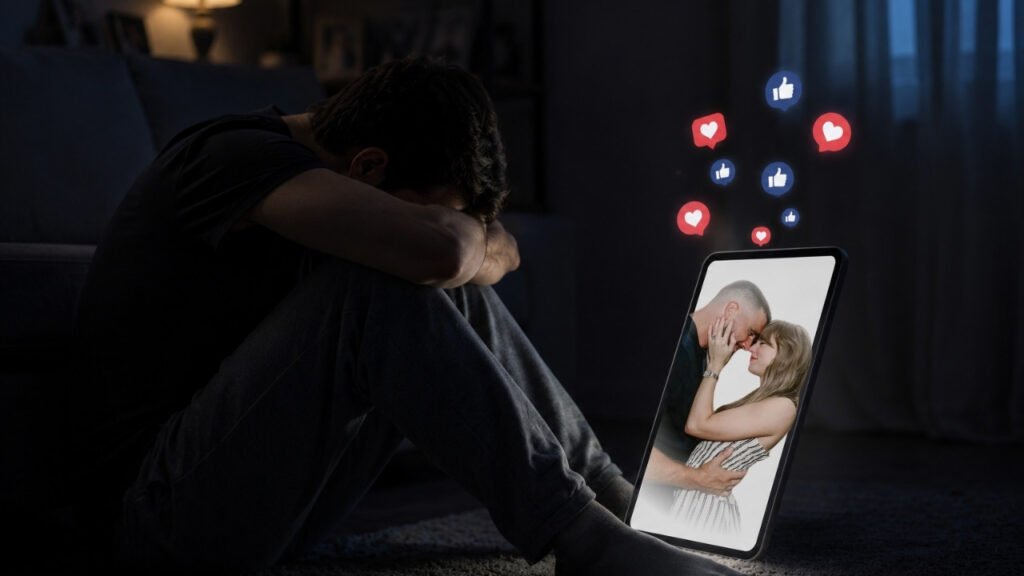
That shift often happens gradually. No dramatic warning siren. No ominous soundtrack. Just one small attachment becoming a larger emotional habit.
Emotional Dependency
Sometimes a creator stops being entertainment and starts becoming emotional regulation.
A person’s mood rises only when the favorite streamer goes live. Anxiety spikes if uploads are late.
A rough day feels unbearable until the new podcast episode drops. Silence from a creator feels oddly personal, like being ignored by someone who was never actually in the relationship.
This can happen because routine is comforting. But when someone else’s posting schedule determines your emotional state, the bond has likely become heavier than it looks.
There is a difference between:
“I enjoy their content.”
and
“I cannot feel okay unless they appear.”
That difference matters.
Boundary Confusion
Modern internet culture rewards access. Creators vlog from bedrooms, answer comments, reveal family drama, and call followers “besties,” “family,” or “inner circle.”
Over time, some fans begin to mistake visibility for intimacy. They feel entitled to explanations. Why did you unfollow that person? Why are you dating them?
Why didn’t you upload this week? Why are you changing your style?
Why didn’t you answer my message? This is boundary confusion: assuming public access equals personal relationship.
Watching someone for years can create familiarity, but familiarity is not friendship.
Defensiveness and Tribalism
When attachment gets intense, criticism of the creator can feel like criticism of the fan’s own identity. That is when fandom turns into faction.
We have all seen it:
Fan wars where strangers argue for twelve hours over someone else’s millionaire idol.
Harassment campaigns against journalists, ex-partners, critics, or rival fanbases.
Comment sections flooded with “leave them alone” mobs any time accountability appears.
Creators become symbols, and symbols are defended more fiercely than people. Sometimes fans are not protecting the creator at all.
They are protecting the emotional version of themselves tied to that creator.
Financial Exploitation
Parasocial closeness can also be monetized with uncomfortable efficiency. Not every subscription, membership, or donation model is manipulative. Many creators deserve support for real work. But problems begin when intimacy itself becomes the product.
Examples are easy to spot:
- Endless paid tiers promising “real access.”
- Emotional pressure to donate during livestreams.
- Merch framed as loyalty tests.
- Statements like, “Real supporters would buy this.”
- Private groups where affection feels gated behind payment.
When belonging becomes transactional, vulnerable audiences often pay the highest price.
Identity Collapse
Perhaps the hardest moment comes when the creator changes, or is revealed to have been someone else entirely. They get exposed in a scandal. They retire suddenly. They pivot into a personality fans no longer recognize. They vanish without explanation.
They become cruel, hypocritical, manipulative, or simply different. For heavily invested followers, this can feel like losing a real relationship. Some experience grief, embarrassment, anger, confusion, even a mini identity crisis.
Because if part of your routine, worldview, humor, politics, or self-image was built around them, their collapse can shake more than entertainment.
It can shake you.
The Real Warning Sign
The clearest sign a parasocial bond has turned unhealthy is not passion. It is fragility.
When your peace depends on a stranger staying exactly who you imagined them to be, disappointment becomes inevitable.
How to Enjoy It Without Losing Yourself?
Parasocial relationships are not something most people need to “quit.” You do not need to dramatically delete every app, renounce all fandoms, and move into a cabin because you like a podcaster too much.
The healthier goal is balance.
You can enjoy creators, admire public figures, laugh with streamers, follow artists, and feel connected to communities without handing over your emotional steering wheel. The key is knowing where appreciation ends and over-attachment begins.
Enjoy Admiration Without Entitlement
It is completely normal to like someone’s work.
Love the musician’s albums. Follow the beauty creator’s tutorials. Wait for the comedian’s weekly sketch. Celebrate the actor’s new film. Root for the gamer during a tournament.
What becomes unhealthy is expecting ownership.
They do not owe fans access to every relationship, medical issue, family conflict, or personal decision simply because they post online. Following someone does not create custody rights over their life.
Admiration is healthy. Entitlement usually is not.
Support Creators Without Depending on Them Emotionally
There is nothing wrong with subscribing, donating, buying merch, joining a Patreon, or supporting people whose work genuinely adds value to your life.
But support should come from appreciation, not emotional survival.
If your peace depends on whether a streamer notices your donation message, whether a creator replies to your comment, or whether your favorite influencer uploads during your bad week, the bond may need boundaries.
Creators can enrich your life. They should not become the foundation of it.
Let Entertainment Stay Entertainment
Modern platforms blur lines on purpose. Content is packaged like friendship, confession, intimacy, and community because those emotions keep people engaged.
It helps to occasionally remember:
- A vlog is edited.
- A livestream is still performance.
- A podcast persona may be partly curated.
- A “spontaneous” emotional post might also be content strategy.
That does not mean everything is fake. It means everything is mediated. You are allowed to enjoy the show without mistaking the stage for your living room.
Build Real-World Relationships Too
Digital connection feels frictionless because it asks less of us. Real relationships ask for effort: awkward scheduling, vulnerability, compromise, patience, showing up when tired, listening when distracted, apologizing when wrong.
That effort is exactly why they matter more.
Enjoy online communities, but do not let them replace friendships, family bonds, hobbies, romance, local spaces, or actual human presence. Message the friend. Join the class. Go outside. Call someone back.
No creator, however charming, can hug you through Wi-Fi.
Ask the Honest Question
A useful test is simple: Would I still feel okay if they quit tomorrow? If the answer is yes, you are likely enjoying the connection in a healthy way.
If the answer is no, or if it feels like panic, emptiness, anger, or identity loss, that does not mean something is wrong with you. It usually means too much emotional weight has been placed on a stranger.
That is your cue for recalibration.
Final Thought
The healthiest parasocial relationship is one you can enjoy without being controlled by.
Cheer for them.
Learn from them.
Laugh with them.
Then log off and continue building a life no algorithm can replace.
