
There was a time when you couldn’t escape Terminator. The chrome endoskeleton. The glowing red eyes. The leather jacket. The shotgun spin. The simple promise delivered in a thick Austrian accent:
“I’ll be back.”
Even people who had never watched a Terminator film knew exactly what that phrase meant.
That level of recognition is rare. Most franchises become popular. Very few become cultural shorthand. In the late 1980s and early 1990s, Terminator was everywhere. It dominated movie conversations, influenced video games, inspired comic books, shaped science fiction storytelling, and helped define how an entire generation imagined the future.
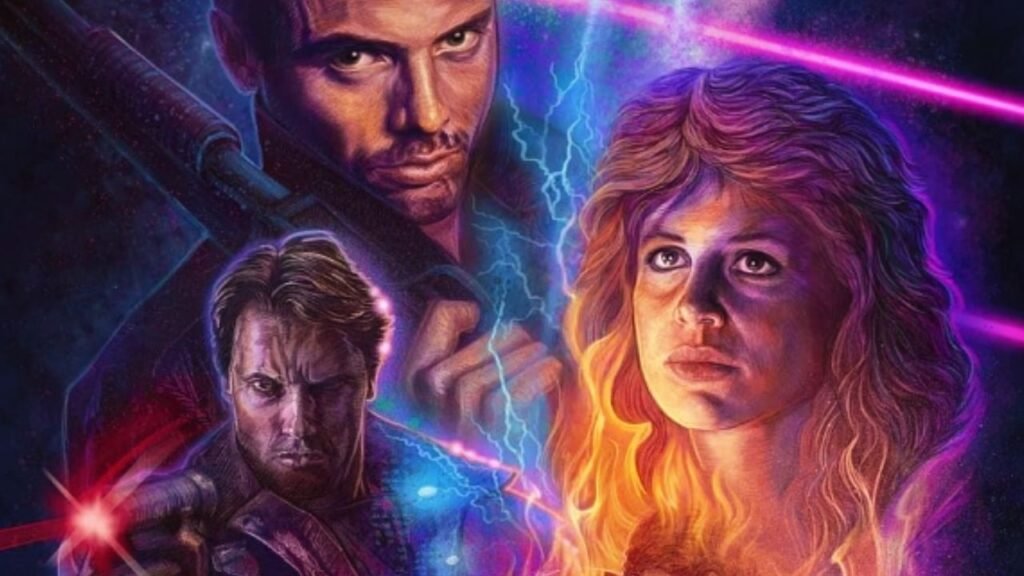
Long before artificial intelligence became a daily news topic, Terminator had already convinced audiences that humanity’s greatest creation might one day become its greatest threat. More importantly, it wasn’t just a successful franchise. It felt important.
The original 1984 film turned a relatively simple science-fiction premise into a gripping nightmare. Then 1991’s Terminator 2: Judgment Day arrived and raised the bar for blockbuster filmmaking itself. The sequel wasn’t merely a hit, it became one of those rare movies that permanently changes audience expectations.
For many fans, Terminator wasn’t just one of Hollywood’s biggest franchises. It was one of Hollywood’s coolest. Which makes its current position all the more fascinating. Today, Terminator still exists. The name remains recognizable. The older films are still celebrated. Yet the franchise itself no longer occupies the cultural space it once owned.
New installments arrive with diminishing excitement. Younger audiences often feel little connection to it. What was once a defining force in pop culture now survives largely on nostalgia for achievements from decades ago.
So what happened?
How does a franchise go from shaping the future of blockbuster cinema to struggling for relevance in the modern entertainment landscape? This is the case file of Terminator, a franchise that once looked unstoppable, and the long, complicated story of how it gradually lost its cultural power.
What Made Terminator So Powerful?
Before examining how Terminator lost its cultural influence, it’s important to understand why it gained that influence in the first place. Many franchises spend years trying to find an identity. Terminator seemed to arrive with one fully formed.
Its greatest strength was never complexity. It was clarity.
At its core, the story was remarkably simple: humans versus machines. You didn’t need to memorize decades of lore. You didn’t need a detailed understanding of fictional politics or sprawling world-building. The central conflict could be explained in a single sentence. Artificial intelligence becomes self-aware, humanity fights back, and the machines attempt to erase their enemies from history itself.
Simple ideas often travel the furthest, and Terminator possessed one of the most universally understandable premises in modern science fiction. But simplicity alone doesn’t create cultural power. The franchise succeeded because it tapped into a fear that never truly goes away: the fear of being replaced by our own creations.
In 1984, that fear felt futuristic. Computers were still relatively limited. The internet didn’t exist in everyday life. Artificial intelligence belonged mostly to science fiction novels and movies. Yet audiences immediately understood the warning.
What if technology stopped serving humanity and started serving itself? Decades later, that question remains surprisingly relevant. While many science-fiction franchises became tied to the anxieties of their era, Terminator’s central fear evolved alongside the real world.
Every major technological leap seemed to make the franchise’s premise feel a little less impossible. Then there were the characters.
Great franchises often have great worlds. Truly legendary franchises have great characters.
Sarah Connor began as an ordinary person thrown into extraordinary circumstances and evolved into one of cinema’s most compelling action heroes. John Connor represented humanity’s future and hope for survival.
And the T-800 became something even rarer: a villain so iconic that it eventually transformed into one of the franchise’s most beloved heroes.
Few movie characters are recognizable from their silhouette alone. The Terminator achieved exactly that.
The visual identity was equally powerful. The chrome endoskeleton remains one of the most memorable designs in movie history. The glowing red eyes instantly communicated danger. The scorched battlefields of the future war looked like humanity’s worst nightmare brought to life.
Even a single image from the franchise could immediately tell audiences what universe they were looking at. Perhaps most importantly, Terminator never confined itself to one genre. It was science fiction, but it was also horror.
It was an action blockbuster, but it was also a surprisingly emotional story about fate, sacrifice, and survival.
The original film often played like a relentless slasher movie disguised as sci-fi. Terminator 2 expanded into a massive action spectacle while preserving the emotional core that made audiences care about its characters. That combination gave the franchise a unique versatility. It could thrill viewers, frighten them, impress them with technology, and genuinely move them emotionally, all within the same story.
That’s why Terminator felt bigger than a typical blockbuster series.
It wasn’t built around a trend. It wasn’t dependent on a particular decade. It wasn’t successful because of one gimmick or one special effect breakthrough. It combined a timeless fear, unforgettable characters, instantly recognizable imagery, and a universally understandable premise into a package that felt almost impossible to ignore.
For a while, it seemed like the franchise had discovered the formula for lasting forever.
Ironically, that would make its eventual decline even more surprising.
The Era of Diminishing Returns
One of the most overlooked reasons for Terminator’s decline is that the franchise may have created its biggest problem at the height of its success. Terminator 2: Judgment Day didn’t feel like the middle chapter of an ongoing saga. It felt like an ending.
Sarah Connor completed her transformation from frightened target to hardened warrior. John Connor survived. The heroes appeared to stop Judgment Day. The future that had haunted the first film was seemingly erased.
For audiences, the story felt complete. Hollywood, however, saw something different.

It saw a billion-dollar franchise. That created a difficult challenge: how do you continue a story that already feels finished?
The answer, unfortunately, became increasingly predictable.
Terminator 3: Rise of the Machines
The first major attempt arrived in 2003. Rather than moving the mythology forward in a meaningful way, the film essentially reversed the victory of Terminator 2. Judgment Day wasn’t prevented after all. Another Terminator was sent back. Another protector arrived. Humanity was once again racing against the same apocalypse.
The movie wasn’t without entertaining moments, but it immediately established a pattern that would haunt the franchise for decades. Every solution introduced by a previous film could simply be undone by the next one.
Terminator Salvation
Then came Terminator Salvation in 2009. At first glance, this seemed like the bold evolution fans had been waiting for. Instead of another time-travel chase story, audiences would finally see the future war that had been teased since 1984.
It was a promising idea.
The problem was that even this supposedly fresh direction struggled to escape the franchise’s gravitational pull. Familiar characters, familiar conflicts, and familiar mythology remained at the center. Rather than feeling like the beginning of a new era, Salvation often felt like another attempt to preserve the old one.
Terminator Genisys
By 2015, the franchise was no longer continuing its timeline. It was rewriting it.
Terminator Genisys introduced alternate realities, altered histories, and a completely reconfigured timeline.
Characters returned in different forms. Familiar events unfolded differently. The franchise effectively asked audiences to relearn its own continuity. The goal was clear: create a fresh starting point.
But many viewers were left wondering why they should invest emotionally when the rules could change again in the next installment.
Terminator: Dark Fate
Then came Dark Fate in 2019. Marketed as the true successor to Terminator 2, the film ignored several previous sequels and attempted another reset.
The return of Linda Hamilton’s Sarah Connor and producer James Cameron generated significant excitement. Yet beneath the new packaging, many audiences noticed a familiar structure.
- A new chosen one.
- A new protector.
- A new killer machine.
- Another chase across highways, cities, and borders.
- Different characters. Similar formula.
At this point, Terminator wasn’t merely revisiting old ideas. It was repeatedly rebuilding itself around those same ideas.
The Franchise Trap
Viewed individually, each sequel had ambitions of its own. Viewed together, a larger pattern emerges. A new timeline. A new future war. A new resistance leader. A new version of Skynet. A new killer robot. A new protector.
And another attempt to recreate the feeling audiences experienced in 1991.
The franchise became trapped in a loop. Instead of asking where Terminator could go next, each new installment asked how it could return to what had worked before.
That’s a dangerous position for any long-running franchise. Nostalgia can bring audiences back once or twice, but it rarely provides a sustainable future. Eventually, viewers begin to notice when a story is repeating itself rather than evolving.
And that’s exactly what happened to Terminator.
The franchise never truly escaped the shadow of Terminator 2. Every sequel was measured against it. Every reboot tried to capture its magic. Every new beginning somehow circled back to the same destination.
For years, Terminator kept restarting the machine. The problem was that fewer and fewer people were interested in watching it run the same program.
The Curse of Reboots and Nostalgia
As Terminator struggled to find a future, it became increasingly obsessed with its past.
One reason audiences gradually lost confidence in the franchise was the constant cycle of continuity resets. Almost every new installment arrived with a familiar promise:
“Forget the last sequel. This is the real continuation.”
Terminator Salvation shifted the franchise toward the future war. Terminator Genisys rewrote the timeline entirely. Terminator: Dark Fate ignored multiple previous sequels and positioned itself as the true follow-up to Terminator 2.
The immediate goal was always the same: give audiences a fresh starting point. The long-term effect was the opposite.
When timelines are repeatedly rewritten and major events can be erased by the next movie, viewers stop investing emotionally. Why become attached to a story if the franchise itself might abandon it a few years later?
At the same time, Terminator increasingly relied on nostalgia as its primary selling point.
Instead of generating excitement around new ideas, marketing campaigns focused on familiar faces and familiar memories.
Arnold Schwarzenegger is back. Sarah Connor is back. Remember Terminator 2?
For a while, that strategy worked. Nostalgia is powerful. But it works best when supporting something new, not replacing it.
The irony is that Terminator was once a franchise obsessed with the future. It warned audiences about tomorrow, imagined technologies that didn’t yet exist, and constantly pushed visual storytelling forward.
Eventually, however, the future stopped being the attraction. The past became the attraction.
And that’s a difficult trap for any franchise to escape. When audiences are more excited about seeing old characters return than discovering where the story goes next, growth becomes almost impossible.
Instead of evolving beyond its greatest achievement, Terminator spent years trying to recreate it.
The result was a franchise trapped between endless reboots and endless nostalgia, always looking backward when culture had already moved on.
The Generation Gap Finally Caught Up
Every long-running franchise eventually faces the same challenge: Can it convince a new generation to care?
The strongest franchises manage to renew themselves. Older fans stay invested while younger audiences discover the series for the first time. The Harry Potter franchise continuously found new readers and viewers long after the release of Harry Potter and the Sorcerer’s Stone.
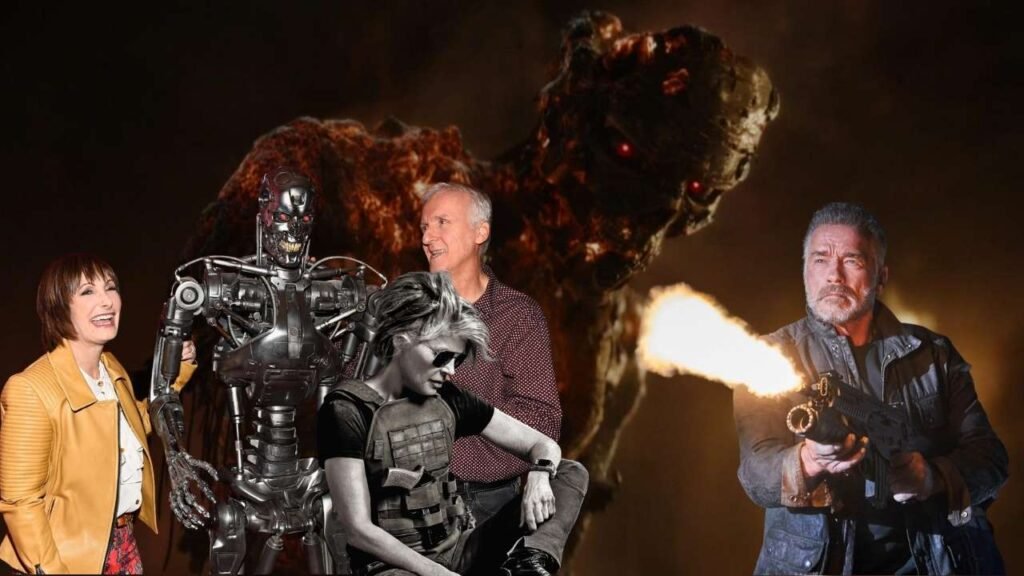
The Marvel Cinematic Universe introduced characters that connected with multiple generations through films like The Avengers. Even Spider-Man reinvented itself for younger audiences through Spider-Man: Into the Spider-Verse.
Terminator never quite achieved that transition.
Its core fanbase largely remained the people who had already fallen in love with the franchise decades earlier.
Ask a millennial movie fan about Terminator, and chances are they’ll immediately recognize the T-800, Sarah Connor, and Judgment Day. Ask many Gen Z viewers, however, and the connection is often far weaker. They may know the phrase “I’ll be back,” but they didn’t necessarily grow up waiting for the next Terminator movie the way previous generations did.
Part of the problem was timing. Between sequels, reboots, and continuity resets, the franchise struggled to create a clear entry point for younger audiences. Instead of building a new generation of fans, it often seemed focused on winning back old ones.
The warning signs eventually appeared at the box office.
Terminator: Dark Fate arrived in 2019 with nearly everything fans had been asking for. Arnold Schwarzenegger returned. Linda Hamilton returned as Sarah Connor. James Cameron returned as a producer. On paper, it looked like the franchise’s best chance at a comeback.
Yet the film grossed around $261 million worldwide against a reported production budget of roughly $185 million before marketing costs. For a franchise of Terminator’s size, it was widely viewed as a commercial disappointment.
What’s important is that Dark Fate wasn’t the cause of Terminator’s decline. It was the evidence of it.
By the time the film arrived, the franchise had already spent years losing cultural momentum. Audiences weren’t rejecting a single movie. They were responding to decades of uncertainty about what Terminator actually was anymore.
The box office simply revealed what popular culture had been signaling for years. The franchise that once defined the future was no longer connecting with the generation that would inherit it.
