
On March 27, 2022, millions of viewers tuned in to the Academy Awards expecting the usual mix of celebration, speeches, and Hollywood glamour. Instead, they witnessed a moment that instantly became one of the most talked-about incidents in entertainment history.
A joke.
A walk to the stage.
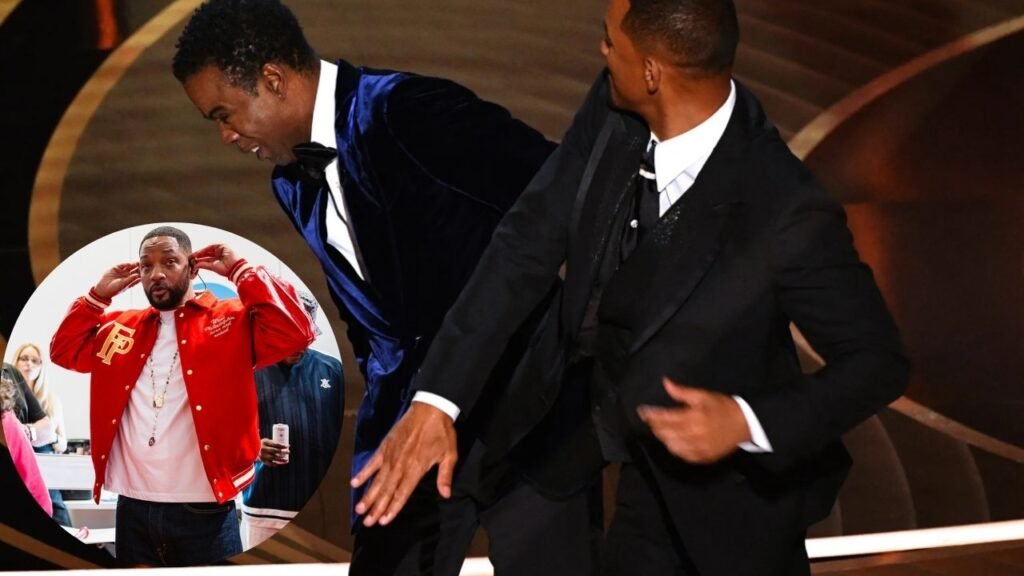
A slap.
Then confusion.
For several seconds, audiences at home and inside the theater struggled to understand what had just happened. Within minutes, clips of the incident were spreading across social media, dominating news headlines, and sparking debates around the world.
The shock wasn’t simply about the act itself. It was about who did it.
For more than three decades, Will Smith had cultivated one of the most successful and likable brands in Hollywood. He was the charismatic movie star, the family-friendly entertainer, and the celebrity who seemed to transcend controversy. Yet in a single unscripted moment, that carefully built reputation faced its greatest challenge.
The incident quickly evolved from an awards-show controversy into a public relations crisis, raising a larger question that still follows Smith today: How did one moment alter a reputation that had been built over more than thirty years?
To understand the fallout, we first need to understand the image that existed before the slap.
Before the Slap: The Making of Hollywood’s Most Likeable Superstar
Long before the Oscars controversy, Will Smith had built a reputation that most celebrities could only dream of.
Over the course of three decades, he transformed from a charismatic television star into one of Hollywood’s most bankable leading men while largely avoiding the scandals that often accompany fame.
Much of that image began with The Fresh Prince of Bel-Air, where Smith’s natural charm and humor made him a household name.
As he transitioned to film, he became the face of some of the biggest blockbusters of the 1990s and 2000s, including Independence Day and Men in Black.
Unlike many action stars, Smith combined box-office appeal with an approachable personality that resonated with audiences across generations.
His career wasn’t built solely on spectacle, either. Films such as The Pursuit of Happyness helped establish him as a serious actor while reinforcing his image as an optimistic and inspirational public figure.
Off-screen, he cultivated a family-friendly brand centered on positivity, hard work, and personal growth.
That carefully managed public persona became one of his greatest assets. For many fans, Will Smith represented the rare kind of celebrity who seemed broadly admired rather than deeply polarizing.
For decades, he wasn’t just famous. He was one of the few Hollywood stars widely viewed as genuinely likable.
The Incident: When One Moment Replaced Thirty Years of Branding
The incident itself unfolded in less than a minute, yet its impact would dominate headlines for months.
While presenting at the Academy Awards, comedian Chris Rock made a joke about Jada Pinkett Smith’s shaved head. Moments later, Will Smith walked onto the stage, struck Rock across the face, and returned to his seat.
What initially appeared confusing to some viewers quickly became unmistakably real when Smith’s uncensored remarks from the audience were broadcast around the world.
Within minutes, clips of the confrontation flooded social media. News organizations across the globe interrupted regular coverage to report on the incident, while viewers inside the theater appeared stunned by what they had just witnessed.
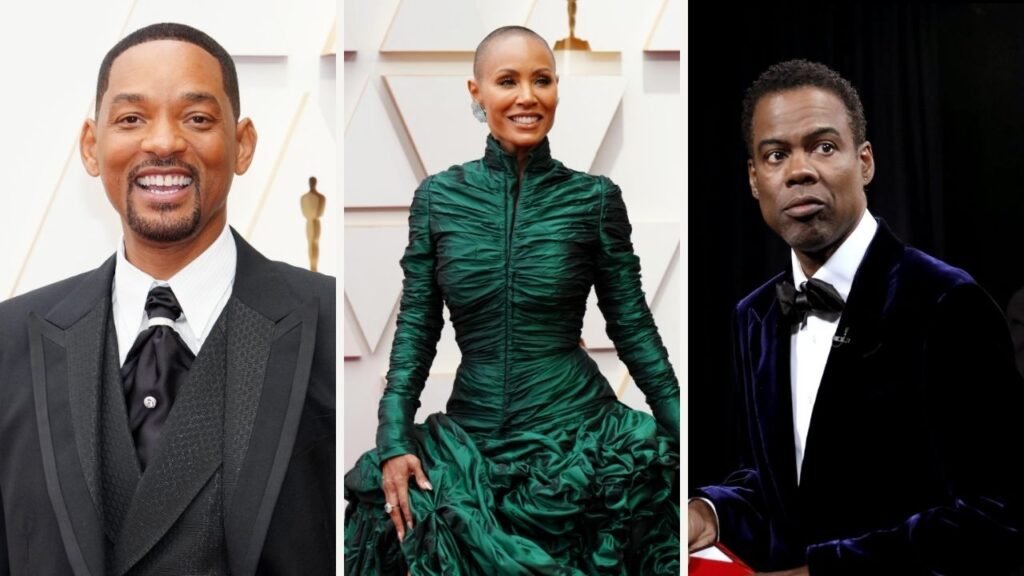
The moment rapidly overshadowed nearly everything else that happened during the ceremony, including Smith’s eventual Best Actor win later that night.
What made the situation so damaging from a public relations perspective was its simplicity. PR disasters often become powerful when a single image is easier to remember than an entire career.
Decades of blockbuster successes, award-winning performances, and carefully cultivated goodwill suddenly found themselves competing with one unforgettable moment.
For many people, “The Slap” instantly became the image most associated with Will Smith, replacing years of branding with a few seconds of live television.
Why the Moment Hit So Hard?
The intensity of the public reaction was not simply about the slap itself. It was about the circumstances surrounding it.
First, it happened live. There was no editing, no carefully crafted statement, and no opportunity for publicists to shape the narrative before millions of people saw the moment for themselves.
In an era where celebrity controversies are often filtered through social media posts, leaked reports, or competing accounts, audiences witnessed this one in real time.
The incident also felt particularly jarring because it contradicted the image Will Smith had spent decades building. Public perception is largely shaped by expectations, and Smith’s brand had long been associated with humor, positivity, and professionalism.
People can often forgive mistakes, but they tend to react more strongly when behavior appears to clash with a celebrity’s established identity. The gap between who audiences thought Smith was and what they saw onstage became part of the controversy itself.
The setting amplified everything. The Academy Awards are not just another entertainment event; they represent Hollywood’s highest level of prestige and recognition.
A confrontation on one of the industry’s biggest stages felt far more shocking than it would have in many other environments. The fact that it occurred during a ceremony celebrating artistic achievement only made the contrast more striking.
Hollywood has witnessed similar moments before. Kanye West’s interruption of Taylor Swift at the 2009 MTV Video Music
Awards and Janet Jackson’s infamous Super Bowl halftime controversy both became cultural flashpoints because they unfolded live in front of massive audiences.
Like those incidents, the Oscars slap was experienced collectively, turning a brief moment into a global conversation.
That combination of immediacy, expectation, and visibility is what made the incident so powerful. The slap itself lasted only seconds, but the circumstances surrounding it ensured that it would dominate public discussion long after the ceremony ended.
The Internet Turned a Controversy Into a Global Event
The slap may have happened on the Oscars stage, but its true impact was shaped by the modern media environment.
Within minutes, clips of the incident were circulating across television broadcasts, news websites, TikTok, YouTube, X, and virtually every major social platform.
Memes appeared almost instantly, reaction videos accumulated millions of views, and commentators from every corner of the internet rushed to offer their interpretations.
What made the situation unique was the speed and scale of the response.
In previous eras, a celebrity controversy might dominate headlines for a few news cycles. In the digital age, audiences do not simply consume a story, they participate in it. Every repost, reaction, and debate extends its lifespan.
The internet did not create the scandal, but it transformed it into a worldwide cultural event. As a result, the conversation quickly grew beyond what happened between Will Smith and Chris Rock.
It became a debate about celebrity behavior, masculinity, professionalism, and accountability.
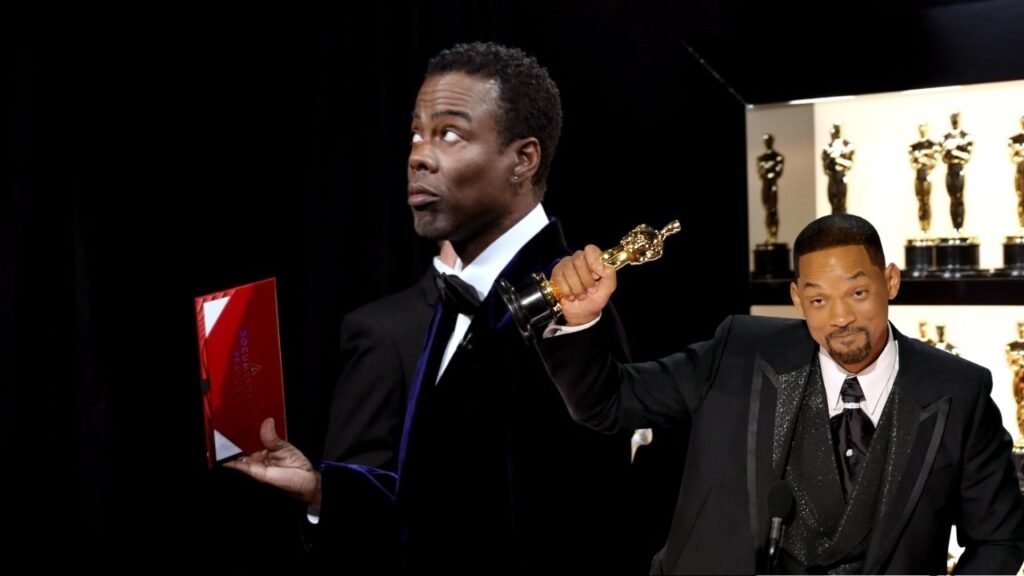
The fallout was immediate. Ironically, only minutes after the incident, Smith won the first Oscar of his career for his performance in King Richard. Under normal circumstances, it would have been the defining achievement of his professional life.
Instead, the victory was almost completely overshadowed by what had happened earlier in the evening.
In the weeks that followed, Smith faced widespread criticism, disciplinary action from the Academy, and growing questions about his public image. Several projects were delayed, industry reactions were mixed, and public opinion shifted dramatically.
While his career survived, the reputation he had spent decades building suddenly appeared far more fragile than many had imagined.
Perhaps the most striking consequence was that one of Hollywood’s biggest career milestones became a footnote. The Oscar was supposed to be the story. Instead, it was the slap that the world remembered.
Reputation Is Harder to Rebuild Than Success Is to Achieve
One of the most important lessons from the Oscars incident is that building a successful career and maintaining a strong reputation are not the same thing.
Success is often measured through awards, box office results, and professional achievements. Reputation, however, depends on trust, and trust can be remarkably fragile.
For decades, Will Smith accumulated accomplishments that most actors could only dream of. Yet a single emotional moment was enough to alter how many people viewed him. That is because audiences tend to remember moments that make them feel something.
An unexpected controversy often leaves a stronger impression than years of consistent success.
The challenge after any public scandal is that reputation cannot simply be restored through another hit movie or award.
It requires convincing people to reassess what they believe about a person. Smith’s response followed a familiar playbook: a public apology, time away from the spotlight, and a gradual return to new projects.
Whether that process succeeds, however, depends largely on the audience.
History shows that recovery is possible.
Figures such as Robert Downey Jr. and Tiger Woods eventually rebuilt their public standing after highly publicized personal and professional setbacks. But their stories also reveal that redemption is rarely achieved through talent alone.
Time, accountability, changing public attitudes, and a willingness from audiences to move on all play a role.
Ultimately, the bigger question is not whether a career can survive a cultural flashpoint. It is what determines when people are willing to forgive. Is it genuine growth, sustained success, nostalgia for what came before, or simply the fact that public attention eventually moves elsewhere?
There is no universal answer, which is why reputation recovery remains one of the most unpredictable aspects of celebrity culture.
Conclusion: The Slap Was Never Just About the Slap
The Oscars incident was never solely about a confrontation between two celebrities. It became a case study in how reputation works in the digital age and how quickly public perception can shift when a carefully cultivated image collides with an unexpected moment.
Will Smith’s career was built over decades through blockbuster films, professional success, and a reputation for positivity.
Yet the incident demonstrated that public image is often more fragile than it appears. Achievements accumulate over time, but a single controversial moment can reshape how those achievements are remembered.
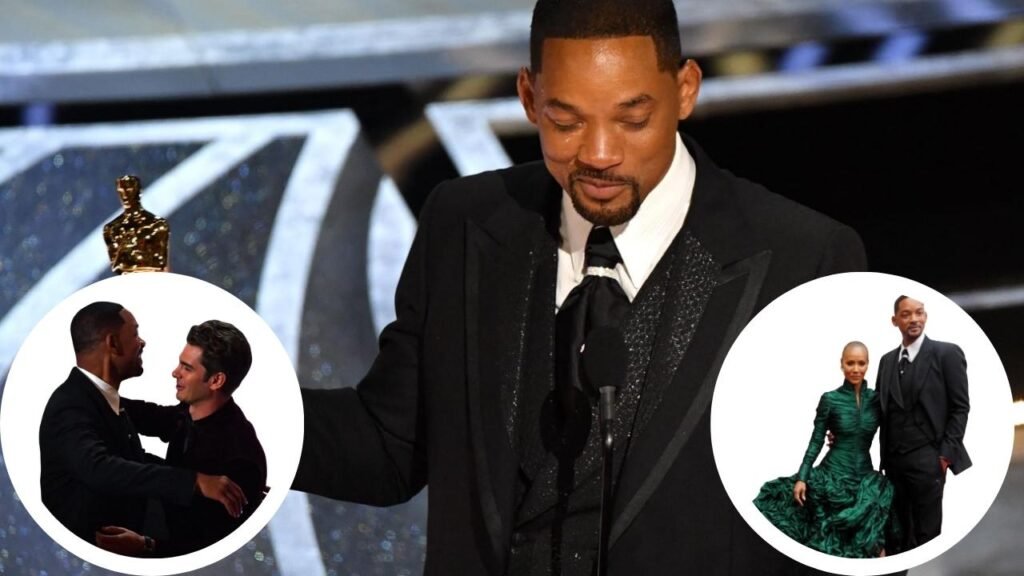
The internet amplified that reality by ensuring the incident was replayed, analyzed, debated, and preserved long after the ceremony ended.
As a result, the conversation extended far beyond the slap itself and became a broader discussion about celebrity, accountability, and public forgiveness.
Perhaps that is the most revealing lesson. Modern celebrity is no longer defined solely by careers, awards, or accomplishments. It is increasingly defined by moments, especially the ones audiences experience together in real time.
And sometimes, regardless of everything that came before, a single moment becomes the story that follows a person forever.
