
Some franchises fade away because they become bad. Others fade away because the world simply moves on. For decades, Top Gun seemed destined to fall into the second category.
When the original Top Gun arrived in 1986, it wasn’t just a box office hit; it was a cultural moment.
The film helped define the image of the modern blockbuster hero, turned fighter pilots into pop-culture icons, and transformed Tom Cruise from rising star into one of Hollywood’s biggest names. Its fingerprints were everywhere, from fashion trends and recruitment campaigns to music charts and action movies that followed.
The problem was that Top Gun also felt inseparable from the decade that created it.
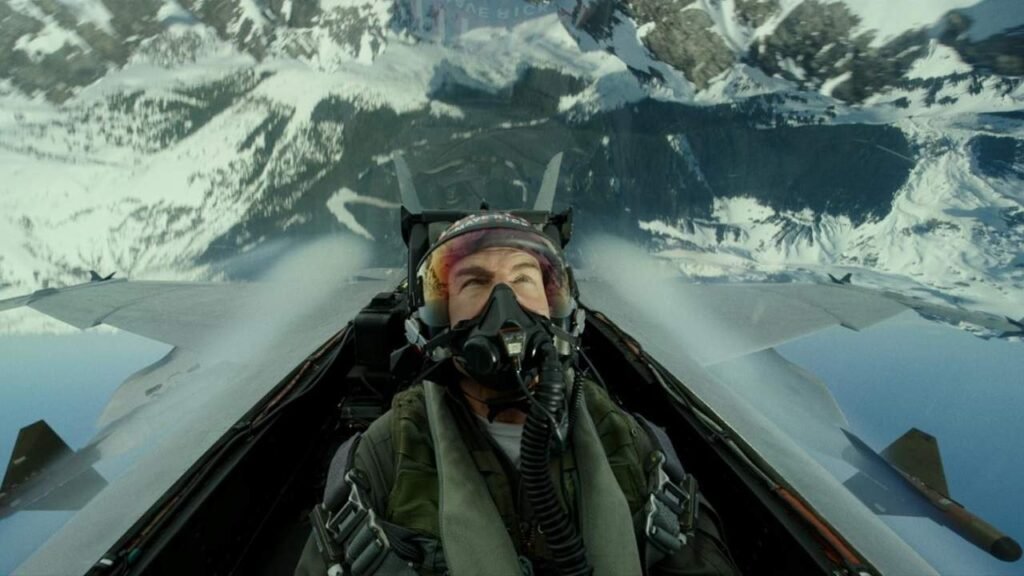
Everything about the film screamed 1980s. The aviator sunglasses. The synth-driven soundtrack. The Cold War backdrop. The hyper-confident movie-star charisma that dominated the era. These elements made the film iconic, but they also made it difficult to imagine what a modern version would even look like.
As the years passed, Top Gun increasingly felt less like an active franchise and more like a nostalgic time capsule. Hollywood’s obsession with reviving old intellectual properties only reinforced that perception.
Throughout the 2000s and 2010s, audiences watched studio after studio attempt to resurrect beloved brands from previous decades. Some generated curiosity. Some generated opening-weekend headlines. Most quickly disappeared from the cultural conversation.
By the time a Top Gun sequel was finally announced more than thirty years after the original, the reaction was less excitement than skepticism. Who was this movie actually for?
Older audiences already had the original. Younger audiences had little emotional connection to the franchise at all. On paper, Top Gun: Maverick looked like another legacy sequel arriving years too late, built primarily on nostalgia and the hope that audiences would pay to revisit familiar memories.
Instead, something unexpected happened. The film didn’t merely succeed. It became a phenomenon.
Critics praised it. Audiences embraced it. Younger viewers discovered the franchise for the first time. Older fans returned in massive numbers. What looked like a risky nostalgia play evolved into one of the biggest theatrical events of the decade and one of Hollywood’s most successful franchise revivals.
In an era where many legacy sequels struggled to justify their existence, Top Gun: Maverick achieved something remarkably rare. It made an old franchise feel relevant again. The question isn’t whether the comeback worked. The real question is why this comeback succeeded when so many others failed.
The Problem: Nobody Was Asking for a Top Gun Sequel
One of the biggest misconceptions about franchise revivals is the idea that every famous property automatically comes with a built-in audience. In reality, not all franchises age the same way. Some remain culturally active long after their original release. Others gradually transition from living franchises into nostalgic memories.
By the late 2010s, Top Gun firmly belonged to the second category. Compare it to something like Star Wars. Even during periods when no new films were being released, the franchise never truly disappeared.
New generations discovered the original trilogy, expanded universe novels kept fans engaged, animated series introduced younger viewers to the galaxy, and conventions such as Star Wars Celebration helped maintain a thriving fan culture.
The same was true for the Harry Potter franchise. Long after Harry Potter and the Sorcerer’s Stone introduced audiences to Hogwarts, millions of younger fans continued entering the wizarding world through books, films, theme parks, video games, merchandise, and online communities. The franchise constantly recruited new followers.
Even Jurassic Park remained culturally visible despite long gaps between installments. Dinosaurs have a timeless appeal, and the franchise regularly found ways to reintroduce itself to younger audiences through sequels, television content, toys, games, and educational tie-ins.
Top Gun had none of those advantages. There was no sprawling mythology keeping fans invested between films.
No decades-long narrative filled with unanswered questions.
No major convention circuit dedicated to celebrating the franchise.
No generation of children growing up eagerly awaiting the next chapter in Maverick’s story.
For most people, Top Gun wasn’t a fandom. It was a memory. People remembered the motorcycle rides. They remembered the beach volleyball scene. They remembered the soundtrack. They remembered Tom Cruise’s star-making performance.
But remembering a movie and actively wanting a sequel are two very different things. This created a challenge that many legacy sequels never face.
Most franchise revivals begin with a passionate audience already demanding more content. Studios know millions of fans will at least show up on opening weekend out of curiosity alone. That built-in enthusiasm creates momentum before marketing campaigns even begin.
Top Gun: Maverick didn’t have that luxury. In fact, one could argue the film faced the opposite problem. The longer audiences thought about the sequel, the more questions emerged. Why make this movie now? What story was left to tell after more than three decades?
Could a franchise so deeply associated with the 1980s still resonate in a completely different cultural landscape? These weren’t cynical questions. They were reasonable ones.
Hollywood’s recent track record only amplified the skepticism. Audiences had already seen numerous legacy sequels arrive with enormous hype before quickly fading from public discussion.
Films such as Independence Day: Resurgence, Terminator Genisys, and Men in Black: International demonstrated that simply reviving a recognizable brand was no longer enough. Name recognition could generate headlines, but it couldn’t guarantee cultural relevance.
That meant Top Gun: Maverick had to accomplish something unusually difficult.
It couldn’t rely on nostalgia alone.
It couldn’t rely on franchise loyalty.
It couldn’t rely on decades of interconnected storytelling.
The filmmakers had to persuade audiences that Top Gun wasn’t just a beloved piece of movie history. They had to convince people that it still mattered in the present.
And that challenge ultimately shaped every smart decision the sequel would make.
What Most Legacy Sequels Get Wrong?
By the time Top Gun: Maverick entered production, Hollywood had already spent years trying to solve a seemingly simple problem: How do you bring an old franchise back to life? The industry’s answer was usually the same.
- Bring back familiar characters.
- Reference famous scenes.
- Recreate iconic moments.
- Remind audiences why they loved the original.
On paper, the strategy makes perfect sense. Nostalgia is one of the most powerful forces in entertainment. Familiar characters create instant emotional connections, recognizable imagery generates excitement, and beloved memories can often sell millions of tickets before a movie even opens.
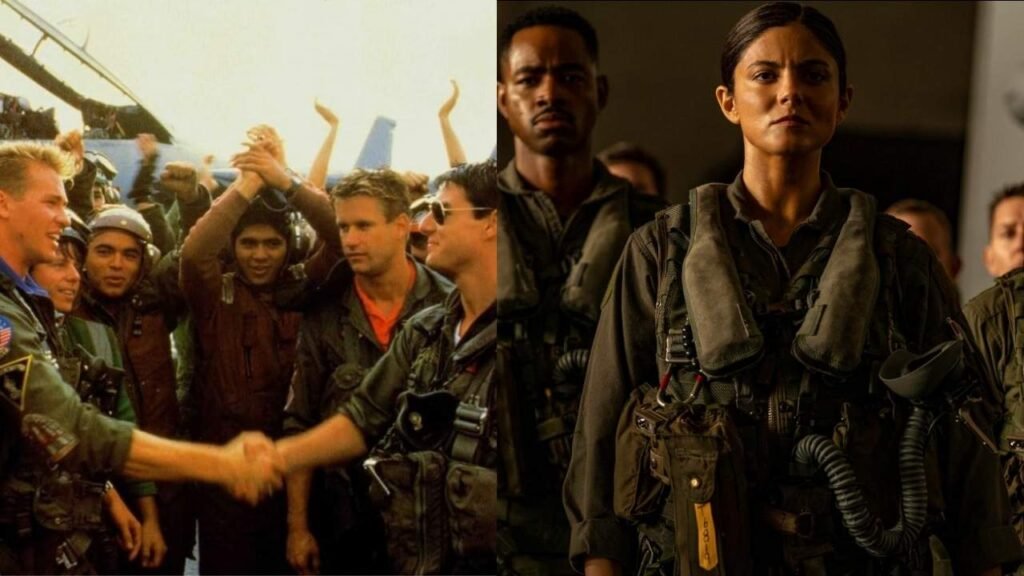
The problem is that nostalgia is a marketing tool, not a storytelling strategy. And Hollywood frequently confuses the two.
Throughout the 2010s, audiences saw a wave of legacy sequels built around recognizable brands and familiar faces. Many generated strong opening weekends fueled by curiosity and goodwill. Far fewer managed to create lasting cultural momentum.
The Terminator franchise offers one of the clearest examples.
Films such as Terminator Genisys and later Terminator: Dark Fate repeatedly brought back familiar elements that audiences associated with the franchise. Arnold Schwarzenegger returned. Iconic lines returned. Familiar plot structures returned. Yet each new installment struggled to answer a more important question:
Why does this story need to exist?
The result was a franchise trapped in an endless cycle of recreating its own past rather than building a compelling future. A similar problem affected Independence Day: Resurgence.
The original 1996 film became a blockbuster phenomenon because it felt like a massive cinematic event. The sequel attempted to recreate that feeling with larger destruction, familiar imagery, and references to the first movie.
But audiences quickly realized that bigger explosions weren’t the same thing as a meaningful reason to revisit the franchise. Once the novelty wore off, the cultural conversation largely disappeared.
Even franchises with stronger foundations have faced similar challenges. Jurassic World Dominion reunited iconic characters from the original Jurassic Park trilogy, a move that initially generated enormous excitement among longtime fans. Seeing familiar faces together again certainly created a sense of nostalgia.
But many critics and viewers ultimately questioned whether the film fully justified bringing those characters back beyond the emotional appeal of seeing them on screen together. The issue wasn’t the callbacks themselves. The issue was overreliance on callbacks.
Because eventually every audience asks the same question:
“What is this adding?”
Not what is it referencing.
Not what is it reminding me of.
What is it adding?
That distinction matters because audiences rarely pay for nostalgia alone. They pay for nostalgia wrapped around something new. The most successful franchise revivals understand that old memories can get people through the door, but new ideas are what keep them invested after the credits roll.
This is where many legacy sequels stumble. They treat the original film like a museum exhibit. Every famous line must return. Every iconic scene must be recreated. Every recognizable character must make an appearance.
The movie becomes less concerned with telling a compelling story and more concerned with proving that it remembers its own history. As a result, audiences leave with a brief sense of recognition rather than a lasting sense of excitement.
They remember the references. They don’t remember the movie. And that’s the difference between a sequel that briefly trends and a sequel that genuinely revitalizes a franchise.
Before Top Gun: Maverick could become one of Hollywood’s greatest comeback stories, it first had to avoid the trap that had consumed so many revivals before it. It had to stop looking backward long enough to justify moving forward.
The First Smart Decision: Respect the Original Without Living Inside It
The smartest thing Top Gun: Maverick did was understand that nostalgia works best as a supporting ingredient, not the entire meal.
Hollywood has spent years producing sequels built around reminding audiences how much they loved the original. Familiar characters return. Famous lines get repeated. Iconic scenes are recreated almost shot-for-shot. For a few moments, viewers experience the comforting rush of recognition.
Then the movie ends, and very little sticks.
Films such as Independence Day: Resurgence and several post-Terminator 2 sequels largely fell into this trap. They brought back familiar faces and recognizable imagery, but many viewers were left wondering what these stories were actually adding to the franchise beyond nostalgia itself.
Maverick takes a different approach.
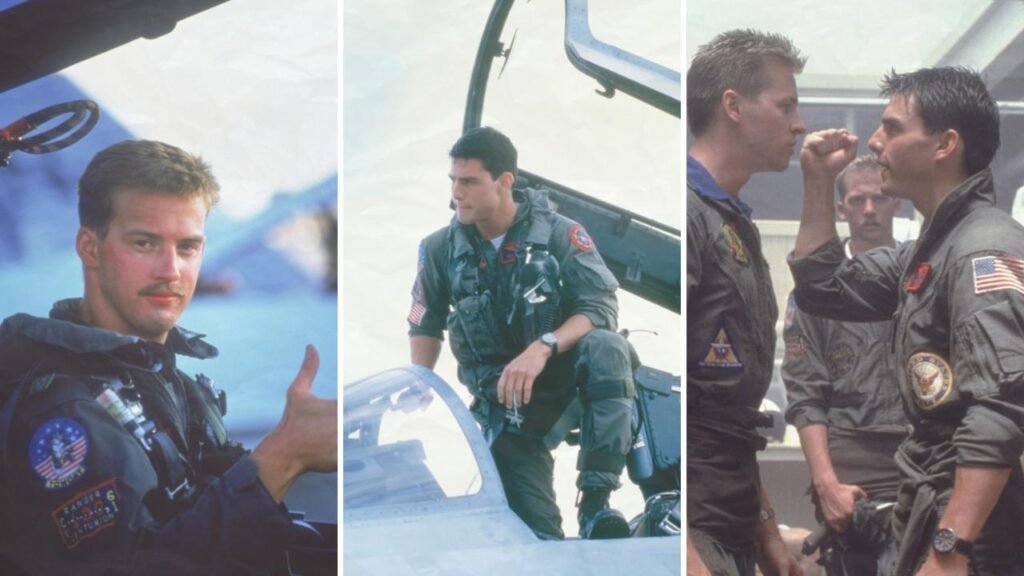
Yes, the film embraces its history. The familiar music returns. Beloved characters reappear. Visual callbacks evoke memories of the original 1986 film. Longtime fans are constantly reminded that this is still the world of Top Gun.
But the movie never becomes obsessed with its own past.
Instead of spending two hours recreating old memories, it uses those memories as a foundation for something new. The story quickly shifts toward a new mission, a new generation of pilots, and a version of Maverick who is no longer the young hotshot he once was.
The central conflict isn’t whether he can prove himself again. It’s whether he can adapt to a world that may have already moved beyond him.
That emotional evolution gives the sequel weight that many legacy revivals lack.
At the same time, Tom Cruise understood something equally important: if audiences were going to revisit Top Gun after more than three decades, the experience had to feel worth leaving home for.
While many modern blockbusters increasingly relied on digital environments and CGI-heavy action sequences, Maverick leaned into practical filmmaking. Actors underwent extensive flight training. Real aircraft footage was captured whenever possible.
The aerial combat sequences were designed to place viewers inside the cockpit rather than simply showing spectacle from a distance. The difference was immediately noticeable.
Around the same period, several major franchise films faced criticism for looking overly artificial despite massive budgets. Audiences were becoming accustomed to action scenes that felt assembled inside computers. Maverick offered the opposite experience.
Every flight sequence felt physical, dangerous, and tangible in a way that modern blockbusters rarely achieved. The result was something larger than nostalgia. The film wasn’t asking audiences to remember why they loved Top Gun in 1986.
It was giving them a reason to love Top Gun in 2022.
That distinction ultimately became the foundation of the entire comeback. The movie respected the past, but it never lived there. Instead, it used the past as a launchpad to create an experience that felt exciting, relevant, and uniquely cinematic for a new generation.
And that’s exactly what the best franchise revivals do.
It Didn’t Just Bring Back Old Fans, It Created New Ones
Ultimately, the greatest strength of Top Gun: Maverick wasn’t that it successfully reunited older audiences with a beloved franchise. It was that it convinced an entirely new generation to care.
Many legacy sequels are built almost exclusively for existing fans. They assume audiences already understand the characters, relationships, and history, which often makes the franchise increasingly difficult for newcomers to enter.
Over time, these franchises become cultural clubs where only long-term members fully understand the experience.
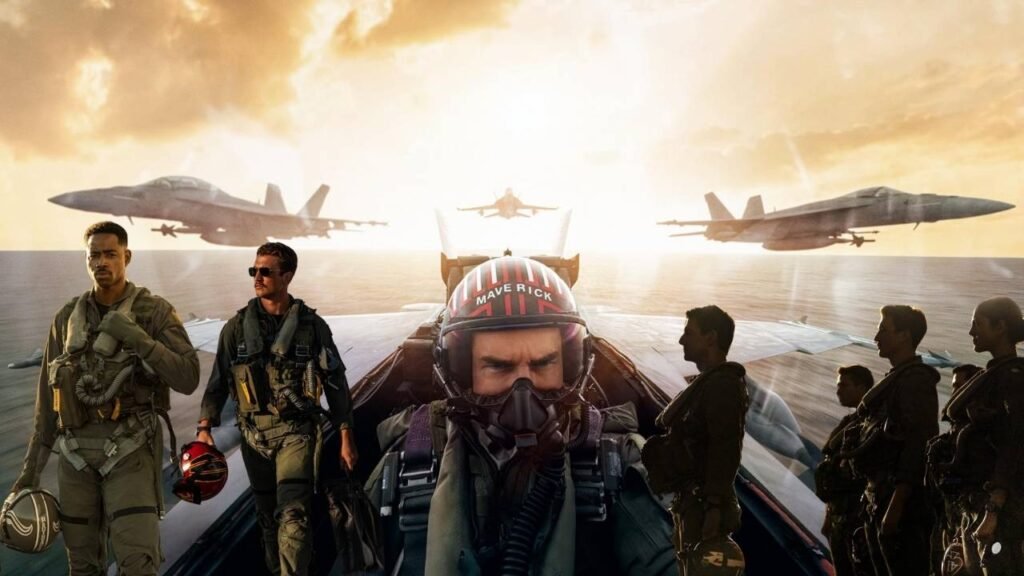
Maverick avoided that mistake. Even viewers who had never seen the original film could immediately understand who Maverick was, why he mattered, what flaws he carried, and what was at stake.
The film respected longtime fans without requiring decades of franchise knowledge, allowing younger audiences to engage with the story on its own terms. That accessibility arrived at exactly the right moment.
The film was released after years of streaming growth, pandemic disruptions, and growing franchise fatigue. Audiences were increasingly questioning whether blockbuster movies still felt like genuine events or simply content arriving on an endless release schedule.
Then Top Gun: Maverick showed up and reminded people what a theatrical event looked like.
The conversation extended far beyond opening weekend. Families recommended it to one another. Younger viewers discovered the franchise for the first time.
Word of mouth remained unusually strong for months. Watching the film became a shared cultural experience rather than just another item in a streaming library.
The results reflected that impact. The film generated nearly $1.5 billion worldwide, earned exceptional audience scores, received major awards recognition, and became one of the defining box-office success stories of the post-pandemic era.
But the most important achievement wasn’t financial. The true test of any franchise comeback is whether it expands the audience rather than merely reactivating it.
Old fans returning is expected. New fans arriving is transformation. And that’s exactly what Top Gun: Maverick accomplished. It didn’t simply revive a franchise that had been dormant for decades.
It made that franchise relevant again.
The Difference Between Revival and Resurrection
Looking back, the success of Top Gun: Maverick wasn’t the result of a single brilliant decision. It was the product of several choices that many franchise revivals fail to make. First, the film had a genuine reason to exist.
Rather than simply repeating the story of the original, it expanded it. Maverick wasn’t the same reckless pilot audiences met in 1986. He was older, burdened by experience, and confronting questions about legacy, relevance, and change. The sequel moved the character forward instead of keeping him frozen in nostalgia.
Second, it prioritized quality over references. The callbacks were there, but they supported the story rather than replacing it. Audiences weren’t asked to applaud memories from a better movie. They were given a new movie worth caring about on its own.
Third, it welcomed newcomers instead of catering exclusively to longtime fans. Whether viewers had seen the original film ten times or never at all, the story remained accessible and emotionally engaging. That allowed the franchise to grow rather than simply recycle its existing audience.
Finally, it delivered something genuinely distinctive. In an era crowded with CGI-heavy blockbusters competing for attention, Maverick offered practical spectacle, tangible action, and a theatrical experience that felt increasingly rare.
Together, those choices transformed Top Gun from a fondly remembered franchise into a culturally relevant one. And that’s an important distinction.
Hollywood often treats nostalgia as a shortcut to success. Studios assume that if audiences loved something once, they’ll automatically love it again. But history has repeatedly shown that recognition and relevance are not the same thing.
People may remember old franchises. That doesn’t mean they still care about them. The franchises that survive are the ones that find a way to matter again.
That’s the real lesson of Top Gun: Maverick. The film didn’t succeed because it reminded audiences of the past. It succeeded because it gave them something meaningful in the present.
Nostalgia opened the door, but quality, purpose, and execution convinced people to stay.
In the end, that’s the difference between a revival and a resurrection.
A revival briefly brings people back.
A resurrection makes them believe the franchise has a future.
And few modern comebacks have proven that more effectively than Top Gun: Maverick.
