For much of the 21st century, superhero movies weren’t simply popular; they were Hollywood’s most reliable business model. Between 2008 and 2019, comic-book adaptations evolved from a successful genre into the dominant force in global entertainment, regularly producing some of the biggest box-office hits of the year.
Much of that transformation can be traced to the rise of the Marvel Cinematic Universe. What began with Iron Man in 2008 gradually expanded into an interconnected storytelling experiment unlike anything Hollywood had attempted before.
By the time The Avengers arrived in 2012, the concept of a shared cinematic universe had become a cultural phenomenon. Audiences weren’t just watching individual films anymore; they were following an ongoing story spread across multiple movies and characters.
The success was impossible for the industry to ignore. Marvel turned relatively obscure heroes into household names, while films such as Black Panther, Captain America: Civil War, and Avengers: Endgame generated billions of dollars worldwide. Naturally, other studios wanted a piece of the action.
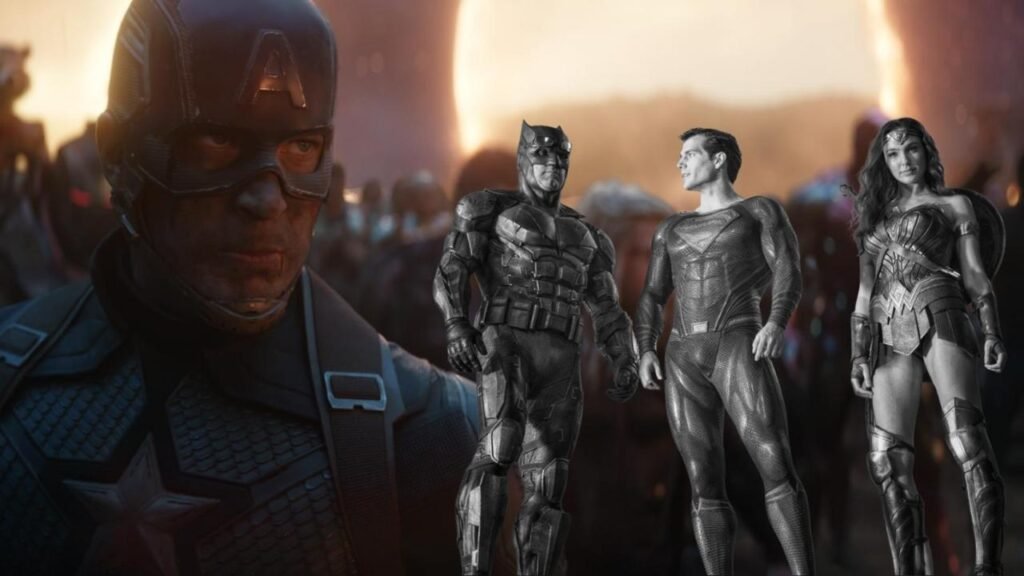
Warner Bros. expanded its DC universe, Universal attempted a “Dark Universe” of classic monsters, and countless franchise plans were announced in hopes of replicating Marvel’s formula.
For years, the strategy seemed unstoppable. Superhero films consistently delivered strong box-office returns, generated merchandise sales, fueled streaming subscriptions, and dominated online conversation. In an industry where certainty is rare, superheroes looked like the safest investment Hollywood could make.
But something changed.
In recent years, a growing number of superhero films have struggled to generate the excitement that once seemed automatic. Box-office disappointments have become more common, audience enthusiasm appears less predictable, and even longtime fans have started questioning whether the genre has become oversaturated.
If audiences loved superheroes so much, why are so many superhero movies suddenly struggling?
That question sits at the center of a debate that Hollywood can no longer ignore. What was once dismissed as an internet joke is now being treated as a genuine industry concern: superhero fatigue.
The Numbers Started Sending Warning Signs
For years, superhero movies seemed almost immune to failure. Major releases routinely dominated the box office, turning familiar characters into guaranteed financial successes.
At the height of the genre’s popularity, films like Avengers: Endgame, Black Panther, and Spider-Man: No Way Home weren’t just successful; they became cultural events that attracted audiences far beyond traditional comic-book fans.
But the warning signs began appearing in the years that followed.
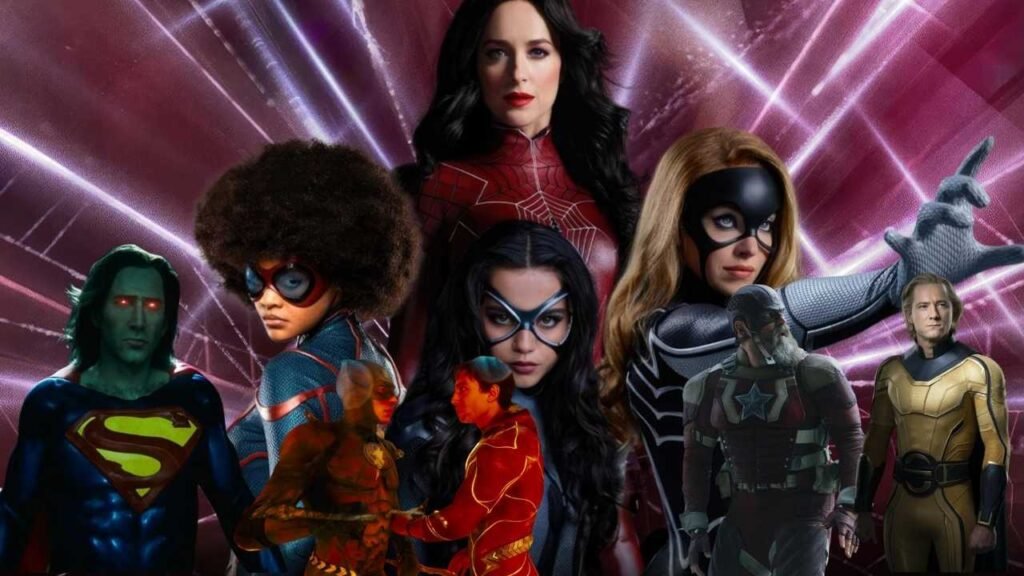
While superhero films could still produce occasional blockbusters, their overall consistency started to weaken. Movies such as The Marvels, Ant-Man and the Wasp: Quantumania, Blue Beetle, and Shazam! Fury of the Gods failed to generate the kind of excitement that similar releases might have enjoyed a decade earlier.
Some struggled to attract large opening-weekend crowds, while others saw audience interest fade quickly after release.
What makes this shift important is that it didn’t happen overnight. Superhero fatigue wasn’t a sudden collapse; it was a gradual decline in automatic enthusiasm.
Audiences didn’t stop watching superhero movies altogether; they simply became more selective about which ones felt worth their time and money.
That growing selectiveness created a new reality for studios. In the past, a recognizable superhero logo could generate massive anticipation almost by itself. Today, audiences appear far less willing to show up based on brand recognition alone.
Increasingly, they want a reason to believe a particular film offers something special.
And that’s when Hollywood began realizing that even superheroes were no longer guaranteed box-office insurance.
Too Much Content Arrived Too Fast
One of the biggest factors behind superhero fatigue may simply be volume.
During the early years of the superhero boom, audiences typically received one or two major releases each year. Marvel would release a film like Iron Man, Thor, or Captain America, and fans had months to anticipate the next chapter. Following the larger story felt exciting rather than overwhelming.
That changed dramatically with the arrival of streaming.
As companies such as Disney, Marvel Studios, Warner Bros. Discovery, and DC Studios expanded their streaming ambitions, superhero content began appearing at a much faster pace. Movies were no longer the only pieces of the puzzle.
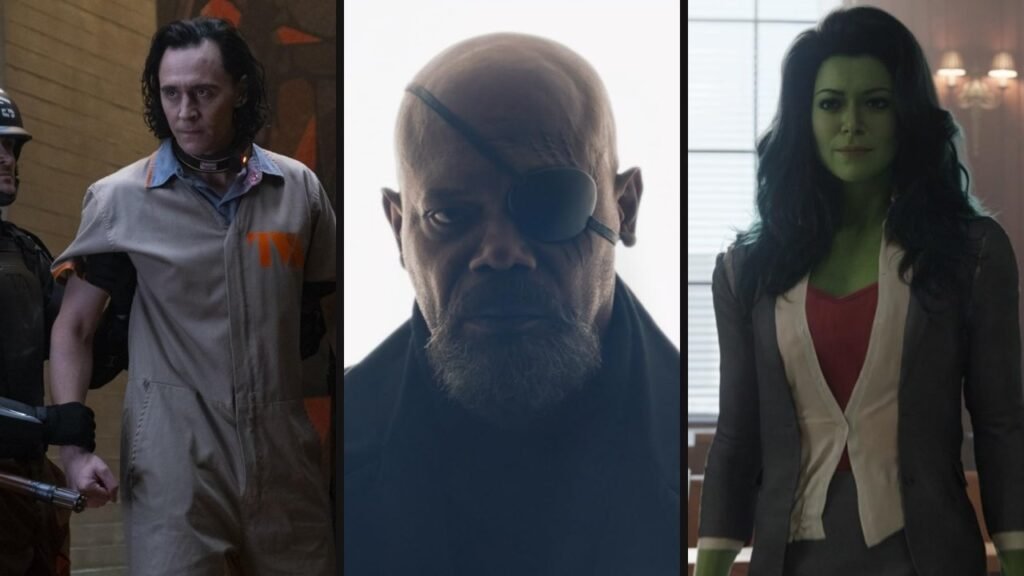
Viewers were also expected to keep up with a growing list of series, including WandaVision, Loki, Secret Invasion, and She-Hulk: Attorney at Law. For some fans, more content sounded like a dream. For many others, it started feeling like homework.
A major appeal of the early Marvel films was their accessibility. Someone could watch The Avengers without needing dozens of hours of additional viewing.
In contrast, later projects often arrived with the expectation that audiences had already watched multiple films and streaming series. Missing one show could mean missing important characters, plot developments, or references.
The result was a growing sense of viewer fatigue. Instead of eagerly anticipating every new release, some audiences began feeling overwhelmed by the commitment required to stay caught up. What once felt like an exciting shared universe increasingly felt like an endless assignment.
And when entertainment starts feeling like work, people often stop showing up.
The Formula Became Predictable
Part of the superhero genre’s success came from its familiarity. Audiences knew they would get exciting action, memorable heroes, and high-stakes adventures. But over time, that familiarity began to turn into predictability.
Many superhero films started following a similar structure: an origin story or personal crisis, a period of growth or training, a climactic CGI-heavy battle, a world-ending threat, and a post-credit scene teasing the next installment.
While individual movies differed in tone and characters, the overall experience often felt increasingly familiar.
There’s nothing inherently wrong with formulas. In fact, formulas exist because they work. The problem begins when audiences become so familiar with the pattern that they can predict nearly every major story beat before it happens.
Hollywood has seen this before. Romantic comedies dominated the 2000s until audiences grew tired of seeing the same relationship arcs repeated again and again. In the 2010s, young-adult dystopian franchises exploded after The Hunger Games, only to lose momentum as more studios copied the formula. Found-footage horror experienced a similar rise and decline after the success of Paranormal Activity.
The lesson is consistent: audiences rarely reject a genre simply because it exists. They grow tired of seeing the same version of that genre repeated endlessly.
That’s why the problem wasn’t superheroes themselves, it was repetition. As more films began feeling interchangeable, audiences started searching for stories that offered something new.
And increasingly, the superhero projects that succeeded were the ones willing to break the established formula rather than follow it.
Audiences Still Show Up When Superhero Movies Feel Special
If superhero fatigue were simply about audiences growing tired of capes and masks, then every superhero project would be struggling. But that clearly isn’t what’s happening.
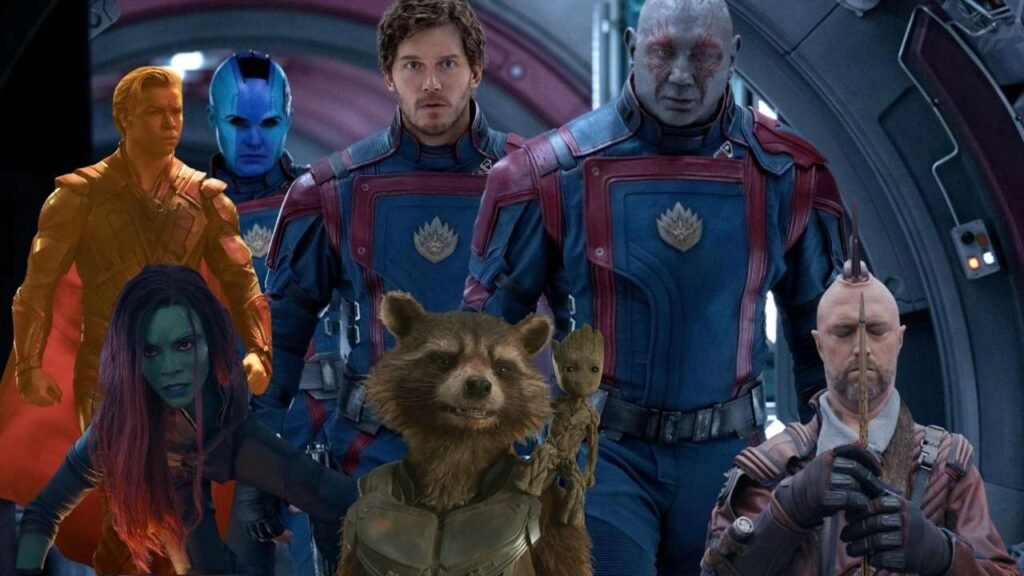
In recent years, several superhero stories have proven that audiences are still willing to show up when they feel they’re getting something unique. Guardians of the Galaxy Vol. 3 earned strong reviews and box-office success by delivering an emotional, character-driven conclusion to a beloved trilogy.
Spider-Man: Across the Spider-Verse became one of the most celebrated animated films of the decade thanks to its groundbreaking visual style and ambitious storytelling.
The trend continued with Deadpool & Wolverine, which generated massive excitement by offering something audiences hadn’t seen before: a self-aware superhero film that leaned into nostalgia while still feeling like a genuine event.
On television, The Boys built a passionate following by taking the superhero concept in a completely different direction, satirizing celebrity culture, corporate power, and the genre itself.
These successes reveal an important truth: audiences are not rejecting superheroes. They’re rejecting mediocrity.
For years, many superhero films benefited simply from being part of a larger franchise. Today, that automatic goodwill has largely disappeared. Viewers want compelling characters, fresh ideas, and stories that justify their existence.
A superhero costume alone is no longer enough to guarantee attention.
In many ways, this is the strongest argument against the idea that superhero movies are dying. People still love great superhero stories. They’re just no longer rewarding every cape and mask automatically.
Streaming Changed Audience Expectations
Not every challenge facing superhero movies comes from the genre itself. Some of the biggest changes have come from how audiences consume entertainment today.
During the peak years of the Marvel Cinematic Universe, going to the theater felt like the only way to be part of the conversation. Films such as The Avengers, Avengers: Infinity War, and Avengers: Endgame were cultural events that people wanted to experience immediately, often before spoilers flooded social media.
Today’s entertainment landscape looks very different. Streaming has created a culture of convenience where audiences are accustomed to watching new content from their couches.
At the same time, movie tickets have become more expensive, while viewers have access to an endless supply of alternatives, from Netflix dramas and YouTube creators to video games and prestige television.
As a result, many moviegoers now ask a simple question: Why rush to theaters for a superhero movie that feels interchangeable with ten others when it will likely arrive on streaming in a few months?
This shift helps explain why some superhero films struggle to attract large theatrical audiences despite featuring recognizable characters. The issue isn’t always a lack of interest, sometimes audiences are simply willing to wait.
And importantly, this isn’t a superhero-only problem. Many genres are facing the same challenge.
In an era of unlimited entertainment options, every movie must work harder to convince audiences that it’s worth leaving home for. The superhero genre just happens to be experiencing that reality more visibly than most.
Why Originality Matters More Than Ever– And What Comes Next
If there is one lesson Hollywood should take from the superhero fatigue debate, it is that audiences still crave great stories; they’re just becoming more selective about where they invest their time and money.
Recent years have shown that originality and distinctiveness remain powerful selling points. Films like Barbie, Oppenheimer, and Everything Everywhere All at Once became major successes not because they followed a proven formula, but because they offered something that felt unique.
Each film had a clear creative vision, a strong identity, and a sense that audiences were experiencing something they hadn’t seen before.
The same trend can be seen within the superhero genre itself. The projects that continue to thrive are often the ones that break away from convention. Spider-Man: Across the Spider-Verse reinvented what superhero animation could look like.
The Boys transformed superhero storytelling into sharp social satire. Deadpool & Wolverine succeeded by embracing an irreverent style that stood apart from traditional franchise filmmaking.
That shift may ultimately shape the future of superhero cinema.
Rather than flooding audiences with endless interconnected content, studios appear increasingly focused on fewer releases with higher quality expectations. Standalone stories may become more important, reducing the feeling that viewers need to complete hours of franchise “homework” before watching a new film.
At the same time, filmmakers are likely to experiment more with genre, blending superhero elements with horror, political thrillers, character-driven dramas, and innovative animation styles.
Ironically, superhero fatigue may end up helping the genre rather than hurting it. The era when almost any superhero movie could succeed simply because it existed appears to be fading. In its place is a more demanding audience that expects originality, quality, and a reason to care.
And that may be exactly what superhero movies need.
The golden age of automatic superhero success is likely over. But superheroes themselves are far from finished.
If anything, the genre’s future may depend less on bigger universes and more on better stories, and that’s a challenge that could ultimately make superhero cinema stronger than ever.
