For most of entertainment history, discovering something new required human intervention. A movie critic might persuade audiences to see a film, a radio DJ could turn an unknown song into a hit, and recommendations from friends often shaped what people watched next.
Even video rental stores had their own form of curation, with staff picks and prominent shelf placement influencing countless viewing decisions.
Today, that discovery process looks very different. Instead of asking people what to watch, we increasingly rely on platforms to tell us. Netflix recommends our next binge-worthy series. TikTok serves videos tailored to our interests.
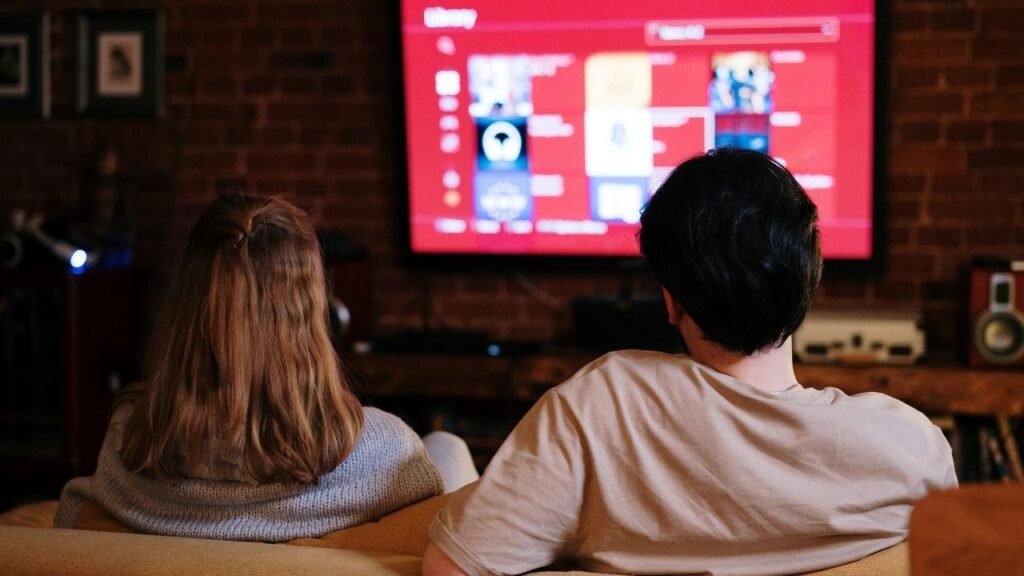
Spotify builds personalized playlists. YouTube decides what appears on our homepage before we even type a search query. This shift has quietly transformed how culture spreads. A show can become a global phenomenon because it dominates recommendation feeds.
A song can climb the charts after going viral on TikTok. A creator’s entire career can be shaped by whether an algorithm decides to amplify their work.
That raises an increasingly important question: who really determines what we watch, listen to, and talk about? Is it still the artists creating movies, music, and television, or have algorithms become the new gatekeepers of culture?
The answer is more complicated than choosing one side or the other. Modern entertainment exists in a world where creativity and technology are deeply intertwined, and understanding who truly holds the power reveals a lot about how culture works in the digital age.
Before Algorithms: When Humans Curated Entertainment
It’s easy to blame algorithms for controlling entertainment, but gatekeepers have always existed. Long before Netflix recommendations and TikTok feeds, a relatively small group of people decided which movies, shows, and songs reached mass audiences.
Television executives determined which series made it to air. Film studios controlled what projects received funding and marketing support. Radio programmers decided which songs were played repeatedly, while music labels often shaped which artists received promotion in the first place.
Critics and entertainment journalists also carried significant influence, with positive reviews often helping films and albums find wider audiences.
These systems were far from perfect. Personal biases, industry politics, and commercial interests frequently influenced decisions. Yet the process was fundamentally human. Success often depended on convincing executives, critics, or programmers that a piece of entertainment deserved attention.
The impact of these gatekeepers can be seen throughout pop culture history. MTV helped transform artists like Madonna and Michael Jackson into global superstars through heavy video rotation.
Radio airplay played a major role in shaping music trends for decades. Influential newspaper critics could boost or damage a film’s prospects, while video rental stores helped turn films like The Shawshank Redemption into enduring cult favorites long after their theatrical runs ended.
The important distinction is that these gatekeepers were people making subjective decisions. Audiences may not have always agreed with them, but cultural curation was still largely driven by human judgment.
Today, many of those same gatekeeping functions still exist. The difference is that they increasingly operate through software rather than individuals, shifting the power of discovery from human curators to recommendation systems.
How Algorithms Became Entertainment’s Most Powerful Gatekeepers
The rise of streaming and social media fundamentally changed how audiences discover entertainment. Instead of actively searching for movies, music, or creators, people increasingly rely on recommendation systems to do the searching for them.
Netflix fills homepages with personalized suggestions. TikTok’s For You Page continuously delivers videos tailored to individual viewing habits. YouTube recommends what to watch next before a video even ends.
Spotify builds playlists based on listening behavior, while Instagram Reels constantly serves new content with a simple swipe. As a result, discovery has become largely passive. Rather than finding content, audiences are increasingly found by content.

This shift has made algorithms one of the most powerful forces in modern entertainment. A song can become a worldwide hit after gaining traction on TikTok. Creators can go from obscurity to millions of subscribers after YouTube’s recommendation system begins promoting their videos.
Shows like Squid Game and Wednesday benefited enormously from streaming platforms pushing them to massive audiences around the world. In many ways, the biggest challenge today is no longer creating content; it’s getting the algorithm to surface it.
From the platforms’ perspective, this approach makes perfect business sense.
Recommendation engines keep users watching longer, increase engagement, encourage subscriptions, and generate more advertising revenue. The longer someone stays on Netflix, YouTube, Spotify, or TikTok, the more valuable they become to the platform.
That is why algorithms are designed the way they are. Their primary goal is not to identify the most artistic film, the most innovative song, or the most important creator. Their job is to predict what will keep users clicking, watching, listening, and scrolling.
That distinction changes everything. If traditional gatekeepers decided what deserved attention, modern algorithms focus on what is most likely to hold attention, and those are not always the same thing.
How Artists Learned to Create for the Algorithm?
As algorithms became the primary gateway to audiences, creators began adapting their work to fit the systems that distribute it. Success was no longer determined solely by artistic quality, it increasingly depended on understanding how platforms reward attention.
On YouTube, creators learned the importance of eye-catching thumbnails, stronger titles, and opening videos with a compelling hook within seconds. Longer watch times became a critical metric, encouraging content designed to keep viewers engaged for as long as possible.
TikTok pushed this trend even further. Videos often need to capture attention almost instantly before users swipe away. This has encouraged shorter content, repeatable formats, and trend-driven creativity designed specifically for the platform’s recommendation engine.
The music industry has experienced similar changes. Many modern songs reach their chorus faster, feature shorter runtimes, and minimize lengthy intros. Artists and labels increasingly consider whether a track can generate viral moments on TikTok or fit naturally into short-form videos. In some cases, songs are engineered as much for discoverability as for traditional radio play.
This raises an uncomfortable question: are creators expressing themselves, or are they increasingly designing content to satisfy algorithms?
The question becomes even more complicated when looking at how modern hits emerge. In the past, success was often tied to marketing campaigns, critical acclaim, or audience word of mouth.
Today, algorithmic exposure can completely transform a piece of entertainment’s trajectory.
Songs like Dreams by Fleetwood Mac and Running Up That Hill by Kate Bush found massive new audiences decades after their original release, thanks to viral social media trends.
Likewise, shows such as Squid Game, Wednesday, and even the older legal drama Suits exploded in popularity after recommendation systems repeatedly placed them in front of viewers.
None of this means these works lacked quality. But it does highlight a new reality: in the streaming era, being great is often not enough. Content still needs visibility, and algorithms increasingly decide who gets it.
That leaves a fascinating possibility. Sometimes the artist creates the work, but the algorithm creates the hit. The challenge is determining where one influence ends and the other begins.
The Case for the Artist: Why Creativity Still Matters?
Despite their growing influence, algorithms are not all-powerful. Recommendation systems can put content in front of audiences, but they cannot create the emotional connection that turns a movie, show, or song into something memorable.
Recent hits prove the point. Barbie, Everything Everywhere All at Once, Oppenheimer, and Arcane all benefited from modern distribution systems, but their success ultimately came from originality, strong storytelling, and creative vision.
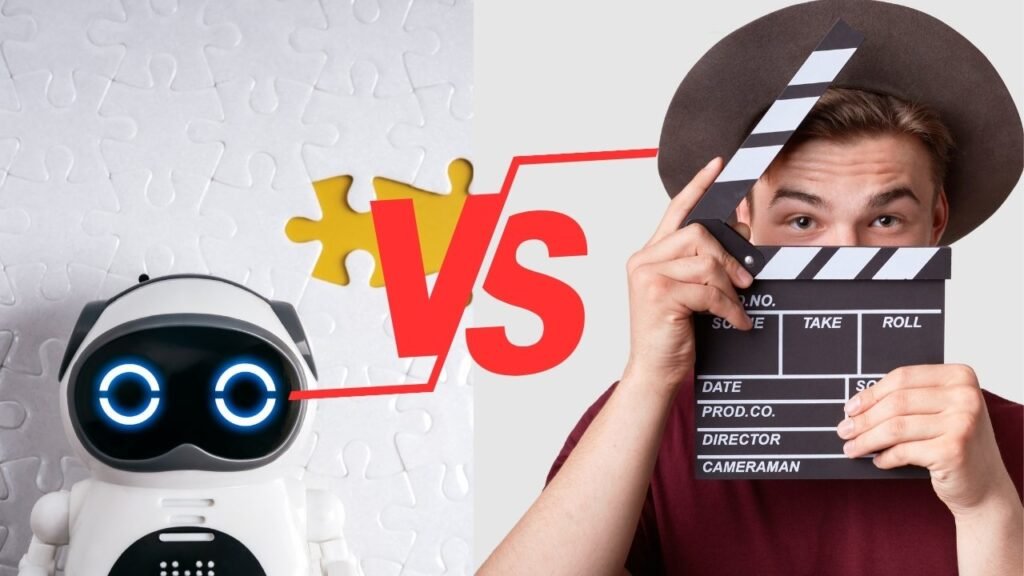
Audiences did not stay engaged because an algorithm recommended them. They stayed because the work resonated. That remains the artist’s greatest advantage. Algorithms can amplify creativity, but they cannot manufacture it.
The challenge is that recommendation systems often reward familiarity over originality. Because algorithms learn from past behavior, they tend to promote content similar to what already performs well.
This creates feedback loops that encourage more of the same: endless true-crime documentaries, streaming copies of successful hits, recycled TikTok trends, and increasingly similar YouTube formats.
From a business perspective, this makes sense. Familiar content is easier to predict and often generates reliable engagement. But culturally, it raises an important concern. If algorithms keep pushing audiences toward what they already like, where does experimentation fit in?
Many of entertainment’s biggest breakthroughs initially looked risky, unusual, or difficult to market. If recommendation systems prioritize proven patterns, they may be excellent at identifying the next trend, but not necessarily the next original idea.
The Rise of AI and the Future of Entertainment
The relationship between artists and algorithms is becoming even more complex as artificial intelligence enters the picture. Recommendation systems are evolving beyond simply suggesting content. Increasingly, they are helping curate experiences, personalize feeds, and in some cases even generate content themselves.
In the years ahead, audiences may encounter entertainment that is more personalized than ever before, AI-generated music, customized viewing experiences, and stories that adapt to individual preferences. The technology is advancing toward a future where algorithms may not only recommend what we watch, but also help create it.
That raises a fascinating question: if machines can recommend, generate, and customize entertainment, where does human creativity fit?
For now, the answer appears to be the same as it has always been. Technology can optimize distribution and even assist creation, but it still struggles to replicate the originality, perspective, and emotional insight that define great art.
Which brings us back to the central question of this article. Who really controls what we watch?
The reality is that modern culture is shaped by an uneasy partnership. Artists still create the stories, characters, music, and ideas that audiences connect with.
Algorithms increasingly determine what gets discovered, what gets amplified, and what becomes impossible to ignore. The artist creates the spark. The algorithm often decides how far the fire spreads.
In the digital age, success is no longer just about making something great. It is about navigating a world where creativity and code work together to shape what billions of people watch, listen to, and ultimately remember.
