
Modern celebrity culture is obsessed with authenticity. Audiences constantly claim they want stars who are “real,” “relatable,” and willing to show their true selves.
We celebrate celebrities who appear spontaneous on social media, speak candidly in interviews, or share personal struggles with their fans. In an era of polished branding and corporate messaging, authenticity feels refreshing.
Yet there is a paradox at the heart of modern fame. Many of the celebrities most frequently praised for being authentic are also among the most carefully managed public figures in the world.
Their social media posts are often strategically curated, their public appearances are media-trained, and their personal narratives are shaped by teams of managers, publicists, and marketing experts. What appears natural is frequently the result of deliberate construction.
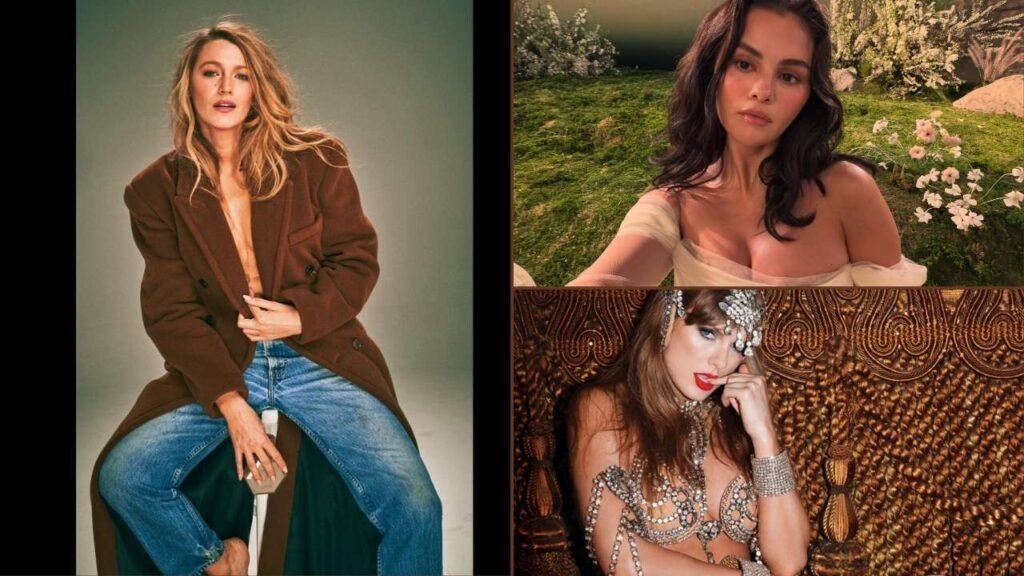
This does not necessarily mean celebrities are being dishonest. Rather, it reflects a fundamental reality of fame: public personas have always involved a degree of performance. The difference today is that audiences no longer admire perfection as much as they admire perceived authenticity.
As a result, celebrities increasingly perform relatability instead of glamour, vulnerability instead of invincibility, and openness instead of distance.
Consider figures like Taylor Swift or Ryan Reynolds. Both are widely viewed as authentic personalities, yet both have spent years carefully cultivating public images that reinforce those perceptions.
Their success demonstrates that authenticity itself can become part of a highly effective brand.
That is the central irony of modern celebrity culture. Authenticity has become one of the most valuable products in entertainment. And in many cases, the appearance of being authentic is itself a performance.
Celebrity Has Always Been Performance
It’s easy to think that carefully crafted celebrity personas are a modern phenomenon, but public image management has been part of fame for decades. Long before Instagram, TikTok, or personal branding, celebrities were already performing versions of themselves for the public.
Classic Hollywood provides some of the clearest examples. Marilyn Monroe was not simply born a global star. Her image, from her appearance and fashion choices to her public personality was carefully shaped by studios and publicists.
Similarly, Elvis Presley cultivated a rebellious yet broadly marketable image that helped transform him into a cultural phenomenon.
Even Audrey Hepburn became associated with elegance and sophistication through years of carefully managed publicity and media appearances.
For much of the twentieth century, studios played a major role in controlling how stars were perceived. Publicists arranged interviews, managed scandals, and crafted narratives designed to protect celebrity brands.
Actors and musicians received media training, and interviews were often conducted in tightly controlled environments that revealed only what managers wanted audiences to see.
The key point is that celebrity has always involved performance. Public personas were never completely natural or unfiltered.
What has changed is the style of the performance. In the past, celebrities were expected to appear larger than life. Today, they are expected to appear ordinary.
Modern audiences are far more skeptical of perfection than previous generations. Polished images can feel artificial, while imperfections feel authentic.
As a result, celebrity performance hasn’t disappeared; it has simply evolved. The goal is no longer to look flawless. The goal is to look real.
The Relatability Economy: When Being Real Becomes Part of the Brand
One of the biggest shifts in modern celebrity culture is that fame increasingly rewards relatability rather than mystery.
For much of the twentieth century, stars were marketed as extraordinary figures who seemed larger than life. Today, audiences often prefer celebrities who appear approachable, awkward, and emotionally honest.
Many of the most popular public figures have built reputations around seeming like ordinary people despite their extraordinary success.
Jennifer Lawrence became famous not only for her performances but also for her self-deprecating humor and unscripted public moments.

Pedro Pascal has cultivated an image of warmth and humility through interviews and social media interactions, while Ryan Reynolds has turned humor and self-awareness into a core part of his public identity.
At the same time, audiences increasingly reward celebrities who openly discuss mental health, personal struggles, therapy, and burnout.
Figures such as Lady Gaga, Demi Lovato, and Prince Harry have received widespread attention for sharing deeply personal experiences that previous generations of celebrities might have kept private.
Many of these disclosures are undoubtedly genuine. However, authenticity and strategy are not mutually exclusive. In the modern attention economy, vulnerability itself has become valuable.
Personal stories create emotional connections, strengthen fan loyalty, and generate media coverage. As a result, being relatable is no longer simply a personality trait; it can also be a powerful branding tool.
This doesn’t mean celebrities are faking their struggles. It means that once vulnerability enters public culture, it also becomes part of the celebrity business model.
The modern star is often expected not just to entertain audiences but to continually prove that they are human. And in many cases, even “normality” is carefully curated.
Fans Help Create the Illusion– and the Trap That Follows
Celebrity authenticity is not created by celebrities alone. Fans play a major role through parasocial relationships, one-sided emotional bonds that make audiences feel as if they personally know a public figure.
People are drawn to celebrities for many reasons: emotional connection, community, identity, and trust.
Fandoms such as Swifties, K-pop communities, popular YouTube creators, and podcast personalities often develop strong feelings of familiarity with the people they follow. The more content fans consume, the more they feel they understand the celebrity behind the image.
But familiarity is not the same as intimacy. Fans frequently fill gaps in their knowledge with assumptions, interpreting interviews, social media posts, and public appearances as evidence of a celebrity’s “true” personality.
In many cases, the audience constructs the sense of authenticity themselves.
This creates what might be called the authenticity trap. Once a celebrity becomes known as relatable or genuine, they are expected to maintain that image constantly.
Any behavior that appears inconsistent can trigger backlash. Public criticism often erupts when stars seem out of touch, use private jets while promoting environmental causes, display extravagant lifestyles, or enter brand partnerships that feel overly commercial.
Figures such as Ellen DeGeneres, Kim Kardashian, and even Taylor Swift have faced moments where audiences questioned the authenticity of their public personas.
The key insight is that authenticity can become another role to perform. The moment a celebrity is rewarded for seeming “real,” they face pressure to keep performing that version of themselves indefinitely.
Influencers Turned Authenticity Into a Business Model
If traditional celebrities helped popularize authenticity, influencers transformed it into an entire industry. Unlike movie stars or musicians, many creators built their careers by appearing ordinary.
Daily vlogs, GRWM (“Get Ready With Me”) videos, lifestyle content, family channels, and behind-the-scenes updates all create the impression that audiences are witnessing real life rather than a carefully crafted public image.
This blurred the line between life and performance more than Hollywood ever did. A movie star might perform a character on screen and give a few interviews each year.
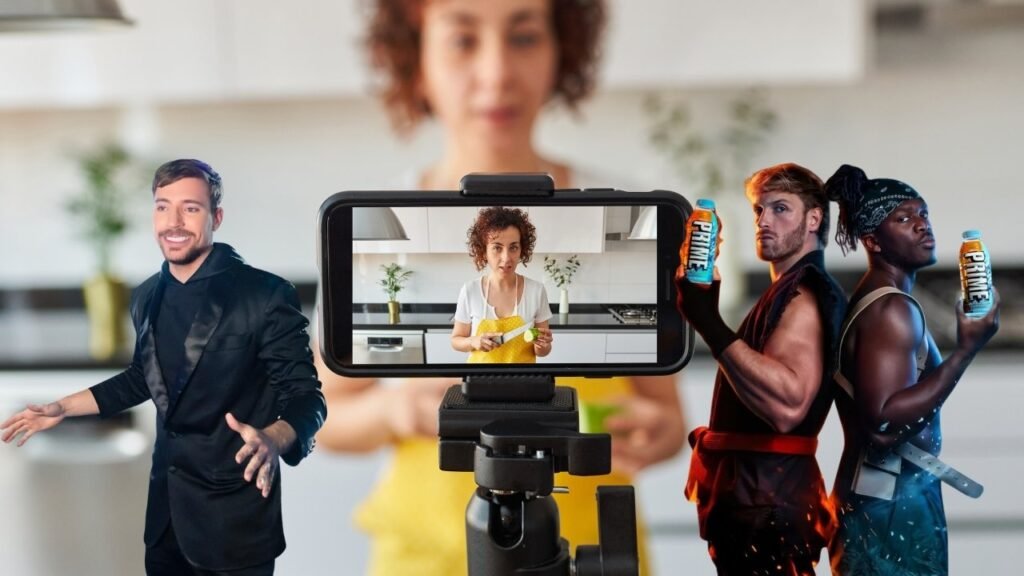
Influencers, by contrast, often turn their everyday routines, relationships, and personalities into content. The product is no longer just what they create, it is who they appear to be.
As a result, authenticity became something that could be directly monetized. Followers are more likely to trust recommendations from creators they feel connected to, making perceived authenticity incredibly valuable in advertising and brand partnerships.
This shift has reshaped expectations across the entire entertainment industry. Today, audiences often expect actors, musicians, athletes, and creators alike to provide a sense of personal access rather than simply deliver entertainment.
The reason is simple: authenticity has become a powerful business asset. Public figures who are perceived as genuine often generate stronger fan loyalty, higher engagement, and more resilient personal brands.
Figures such as Taylor Swift, MrBeast, and Ryan Reynolds have all benefited from cultivating images that feel personal and approachable, even as their businesses and influence have grown to an enormous scale.
In a media environment saturated with advertising, public relations, and competing voices, trust has become increasingly scarce.
That scarcity gives authenticity economic value. The more authentic a public figure appears, the more attention they attract, and in the modern celebrity economy, attention is often the most valuable currency of all.
Maybe Authenticity Was Never the Point
After all, perhaps the debate about celebrity authenticity starts from a flawed assumption. What if audiences are not actually searching for complete truth? What if they are searching for a story that feels believable?
People understand that movies, television shows, and even reality TV are carefully constructed. Yet that knowledge does not prevent emotional investment. Audiences cry during films, celebrate fictional victories, and form deep attachments to characters they know are not real.
Celebrity culture may work in a surprisingly similar way.
Most fans do not expect total access to a celebrity’s private life. What they want is a version of that person that feels emotionally convincing, a public identity that appears consistent, relatable, and genuine enough to trust.
Whether that image is entirely authentic may matter less than whether it feels authentic.
That brings us back to the central paradox of modern fame. Celebrity culture is not built on authenticity alone; it is built on the performance of authenticity.
That does not mean celebrities are fake, nor does it mean every vulnerable interview, emotional confession, or personal story is a calculated marketing move. Real emotions and strategic image management can exist at the same time.
In the digital age, celebrity lives at the intersection of personal truth, branding, audience expectations, and media incentives. The result is a public persona that is neither completely real nor completely artificial.
And perhaps that is what audiences have always wanted, not reality itself, but the feeling of reality.
The larger lesson is that authenticity today may not be about revealing one’s true self to millions of strangers. It may be about creating a version of yourself that feels true enough for millions of people to believe they know you.
