
For decades, the entertainment business had a relatively simple scoreboard. Movies lived or died by box office revenue. Television shows lived or died by ratings. While the details could be complicated, success and failure were usually easy to identify.
Streaming changed that equation.
Today, a show can generate enormous online discussion, dominate recommendation lists, and build a passionate fanbase, yet still be canceled after a single season.
At the same time, another series that rarely trends on social media can quietly survive for years because it serves a specific business purpose for the platform.
Netflix’s 1899 is a perfect example. Created by the team behind Dark, the mystery series generated significant anticipation and debuted near the top of Netflix’s global charts. Yet it was canceled after one season.

Similarly, The OA developed one of the most devoted fan communities of any Netflix original, inspiring petitions and public campaigns after its cancellation.
Meanwhile, Julie and the Phantoms earned strong reviews and passionate support from viewers but still failed to secure a second season.
From a traditional perspective, these shows hardly looked like failures. People watched them, talked about them, and in some cases passionately fought to save them. So why did they disappear?
The answer reveals one of the biggest changes in modern entertainment. Streaming platforms do not evaluate success the same way audiences do. Viewers tend to measure success through popularity, cultural impact, or critical acclaim.
Streaming companies focus on a different set of questions: Did the show attract new subscribers? Did viewers finish it? Did it keep people paying for the service? Did the financial return justify the cost?
In the streaming era, a show can be loved by audiences and still fail to meet the platform’s business objectives. That raises a fascinating question at the center of today’s entertainment industry:
What does “failure” even mean anymore?
Streaming Changed the Definition of Success
One of the biggest mistakes audiences make is assuming that streaming platforms evaluate shows the same way traditional Hollywood always has. In reality, the business model is fundamentally different.
For decades, success was measured through relatively straightforward metrics. A movie’s performance was largely determined by box office revenue.
Television networks relied heavily on ratings because higher viewership translated directly into higher advertising income. If enough people watched, the project was usually considered a success.
Streaming platforms operate under a different set of incentives.
Instead of focusing primarily on ticket sales or advertising revenue, companies like Netflix, Disney+, and Max care about metrics such as subscriber acquisition, subscriber retention, viewing completion rates, platform engagement, and the long-term value a show adds to their content library.
This means raw viewership is only part of the story.
For example, Wednesday became one of Netflix’s biggest successes not simply because millions watched it, but because it generated enormous engagement, attracted new subscribers, and became a cultural phenomenon that strengthened the platform’s brand.
On the other hand, a series might attract a large audience initially but fail to convince viewers to finish the season or remain subscribed afterward.
Streaming services also think long-term. A show isn’t just a one-time event; it becomes part of a permanent library that can attract viewers years later. That’s one reason sitcoms like Friends and The Office became so valuable in the streaming era.
Their ability to keep people watching repeatedly often matters more than a short burst of attention around a new release.
As a result, a show can attract millions of viewers and still fall short of the platform’s goals. What looks successful from the outside may not deliver the business results executives were expecting.
The audience sees popularity. The platform sees economics. And in the streaming era, those two things are not always the same.
Why Viewership Numbers Don’t Tell the Whole Story?
When streaming platforms announce that a show generated “100 million hours viewed” or reached the “Top 10 worldwide,” those numbers sound impressive. The problem is that they often reveal far less than audiences assume.
Unlike traditional television ratings or box office revenue, streaming data is largely controlled by the platforms themselves. Viewers see headline statistics, but companies are tracking far more detailed metrics behind the scenes.
They want to know whether people finished the season, whether the show attracted new subscribers, whether those subscribers stayed, and whether the audience was worth the cost of acquiring.
This is why viewership alone does not determine success.
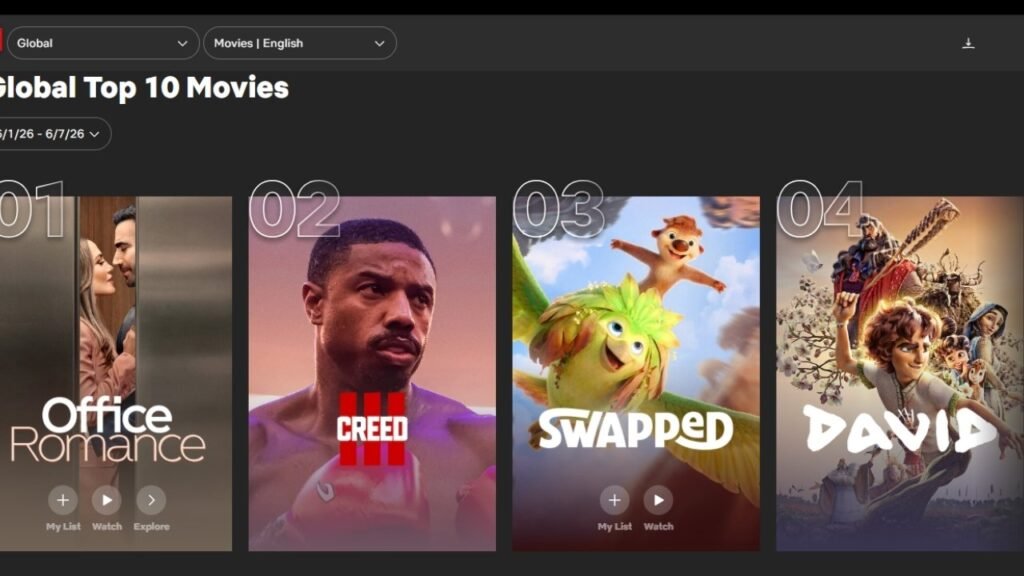
Shows like Squid Game, Wednesday, and Stranger Things became streaming gold because they delivered on multiple fronts simultaneously.
They attracted huge audiences, generated social media conversation, strengthened their platforms’ brands, and gave subscribers a reason to stay engaged. In business terms, they created both viewership and retention.
Many other series only achieve one of those goals. A show might generate strong initial curiosity but suffer steep drop-off rates. Another might attract loyal fans but fail to bring in enough new subscribers.
From the audience’s perspective, both can appear successful. From the platform’s perspective, the results may be far less impressive.
That is because every streaming show is ultimately an investment.
Platforms don’t just evaluate how many people watched. They weigh production costs, marketing expenses, international performance, subscriber impact, and long-term library value.
A relatively modest $40 million series can be considered a win if it exceeds expectations, while a $200 million production faces far greater pressure to justify its existence.
This helps explain why expensive projects often receive intense scrutiny. Series such as The Rings of Power and Citadel attracted significant viewership and media attention, but their enormous budgets inevitably raised questions about return on investment.
The higher the cost, the higher the expectations.
In the streaming business, a show doesn’t need to be bad to become financially disappointing. Sometimes it simply fails to generate enough value relative to what was spent.
And that’s the hidden math many viewers never see.
Why Popular Shows Get Canceled and What It Reveals About Streaming?
One of the biggest misconceptions about streaming is that popularity guarantees survival. In reality, many shows are canceled not because audiences disliked them, but because they failed to achieve the specific business goals their platforms expected.
A passionate fanbase is not always enough. A show may generate significant online discussion yet still attract too small an audience to justify its costs. Platforms also pay close attention to completion rates.
If millions start a series but only a fraction finish it, executives may view the project as less valuable than the headline numbers suggest.
Cost is another major factor. As shows continue, budgets often rise due to larger productions and increasing cast salaries.
At the same time, streamers want evidence that a series is attracting new subscribers or helping retain existing ones. If those benefits are unclear, renewal becomes difficult to justify.
This helps explain the fate of shows like 1899, The OA, and Mindhunter. All three developed passionate followings and strong reputations, yet none generated enough business value to outweigh the platform’s concerns about cost, growth, or long-term performance.
The story becomes even more interesting when viewed through the lens of what industry executives increasingly call “content efficiency.”
As streaming companies face greater pressure to become profitable, they are looking for content that delivers the most engagement for the lowest investment.
A large-scale sci-fi drama can cost hundreds of millions of dollars, while a reality series or documentary may achieve comparable engagement for a fraction of the price.
Netflix’s Love Is Blind and Drive to Survive illustrate this shift. Neither has the prestige of a major scripted blockbuster, but both have proven highly effective at keeping audiences engaged without requiring enormous budgets.
This doesn’t mean ambitious television is disappearing. It simply means that every show is competing against alternative forms of content that may deliver stronger financial returns.
In today’s streaming landscape, cancellation often reflects economics rather than quality, and sometimes the most valuable show isn’t the one generating the most headlines.
Why Streaming Platforms Still Chase Cultural Hits?
If streaming is increasingly driven by economics, an obvious question follows: why do platforms continue spending huge amounts of money on ambitious, risky projects?
Part of the answer is that business success and cultural success are not always the same thing.
Entertainment history is full of shows that struggled commercially but became lasting cultural landmarks.
Firefly lasted only one season yet developed one of the most devoted fan communities in science fiction. Freaks and Geeks was canceled after a single season but later became a defining coming-of-age series and helped launch the careers of several future stars.
More recently, The OA built such a passionate following that fans organized campaigns and public protests after its cancellation.
These examples demonstrate that audiences often judge a show’s value differently than executives do. A series can fail to meet business targets while still leaving a lasting cultural footprint.
Ironically, this is one reason streaming platforms continue funding expensive prestige projects. Companies are not simply buying viewership; they are trying to create cultural relevance.
Shows such as The Crown, Severance, and The Last of Us help define what their platforms represent. They generate media coverage, awards recognition, subscriber excitement, and a level of prestige that cheaper content often cannot provide.
Not every flagship series becomes a financial home run. Some may never fully justify their budgets through direct subscriber growth alone.
But if a show strengthens a platform’s identity and becomes part of the cultural conversation, it can still provide value beyond simple viewership metrics.
In other words, streamers may obsess over efficiency, but they also understand something equally important: subscribers rarely fall in love with a platform because of spreadsheets.
They fall in love with it because of unforgettable shows.
The Future of Streaming and the New Meaning of Failure
The streaming industry is entering a new phase. The era of seemingly unlimited spending that defined the streaming wars is fading, replaced by a stronger focus on profitability, efficiency, subscriber retention, and franchise potential.
That shift means every new project faces greater scrutiny. Platforms are becoming more selective about what they fund and more demanding about what qualifies as success.
A show can no longer rely solely on critical acclaim or social media buzz; it increasingly needs to demonstrate measurable business value.
This creates one of the defining tensions of modern entertainment.
As companies pursue efficiency and predictable returns, will they continue taking creative risks, or will streaming become increasingly dominated by familiar franchises, established intellectual property, and safer bets?
Whatever the answer, one thing is already clear: the streaming flop is not what it used to be.
In the traditional entertainment business, failure was relatively easy to identify.
A movie bombed at the box office. A television show struggled in the ratings. Streaming has blurred those lines. A series can be critically acclaimed, widely discussed, and deeply loved by audiences while still failing to meet the platform’s business objectives.
What appears to be a flop may actually be a subscriber-acquisition failure, a retention failure, a cost-management failure, or simply a strategic mismatch between a show’s performance and the platform’s expectations.
Ultimately, audiences and streaming companies are often judging different things. Viewers tend to focus on quality, popularity, and cultural impact. Platforms focus on economics.
That gap explains why beloved shows sometimes disappear while less celebrated content survives.
In the streaming era, success is no longer measured solely by how many people watch. It is measured by whether a show helps a platform win the ongoing battle for attention, loyalty, and subscription revenue, and those are not always the same thing.
