
Almost everyone has experienced this. You start a movie and within minutes, you’re hooked. Maybe it’s the atmosphere, the opening scene, the characters, or simply the confidence of the filmmaking. Whatever the reason, you immediately want to see what happens next.
Other times, the opposite happens. The movie has barely begun, yet something feels off. You can’t fully explain it, but you’re already questioning whether it’s worth your time.
This raises an interesting question: How long does it really take audiences to decide whether a movie is working?
The answer is often much faster than studios would like to believe.
This is where the idea of the “10-Minute Rule” comes in. It’s not a scientific law, but a useful way of understanding audience behavior. Long before a film reaches its biggest twists, emotional moments, or action sequences, viewers are already forming opinions about what they’re watching.
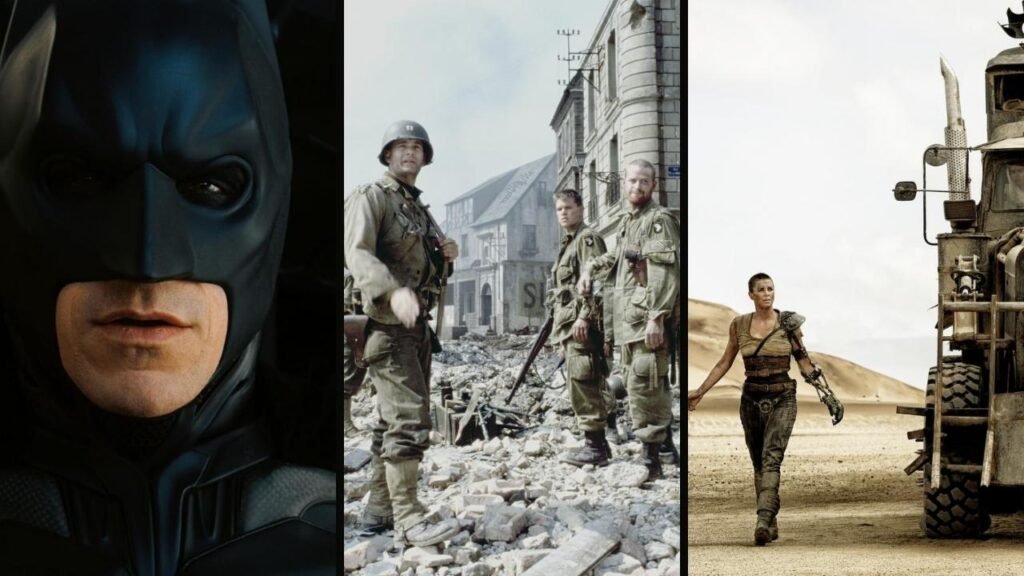
Think about the opening bank robbery in The Dark Knight or the relentless opening of Mad Max: Fury Road. Both films establish their identity almost immediately. They tell audiences what kind of experience they’re about to have and, more importantly, why they should care.
This doesn’t mean every great movie needs a spectacular opening. What matters is engagement. Viewers want to feel that the filmmakers are in control and that the journey ahead is worth investing in.
The challenge is that filmmakers may spend years creating a movie, while audiences often form their first impressions within minutes. In today’s entertainment landscape, those opening moments matter more than ever.
First Impressions Matter More Than Hollywood Likes to Admit
Human beings are constantly making rapid judgments. We do it when meeting new people, trying a new product, or visiting a new place. Movies are no different.
Within the opening minutes, audiences are already evaluating a surprising number of things: the tone, the visual style, the quality of the dialogue, the pacing, and whether the filmmakers seem confident in the story they’re telling.
Most viewers aren’t consciously creating a checklist, but they’re effectively asking the same questions: Am I interested? Do I trust this story? Is this worth my time?
The most successful films answer those questions quickly.
Consider the opening bank robbery in The Dark Knight. Before audiences fully understand the plot, they understand the movie’s confidence. The sequence introduces danger, mystery, and a compelling villain without relying on lengthy exposition.
The same is true of the Normandy landing in Saving Private Ryan. The scene immediately communicates the film’s realism, intensity, and emotional stakes. Viewers instantly know what kind of experience they’re about to have.
Meanwhile, Mad Max: Fury Road wastes almost no time establishing its chaotic world. Within minutes, audiences understand the film’s energy, style, and relentless pace.
What’s notable is that these openings are completely different from one another. Yet they accomplish the same goal: they build trust. They signal that the filmmakers know exactly what they’re doing.
In many ways, that’s what great openings are really about. They’re not just introducing a story, they’re convincing audiences that the story is in capable hands.
Great Openings Make a Promise
The best movie openings do more than grab attention, they make a promise.
Whether audiences realize it or not, the opening minutes are often the filmmakers’ way of saying: “This is the kind of experience you’re about to have.” If that promise is compelling and the movie delivers on it, viewers are far more likely to stay invested.
Action films provide some of the clearest examples. The parkour chase at the beginning of Casino Royale immediately tells audiences that this version of James Bond will be more physical, grounded, and intense than many of his predecessors.
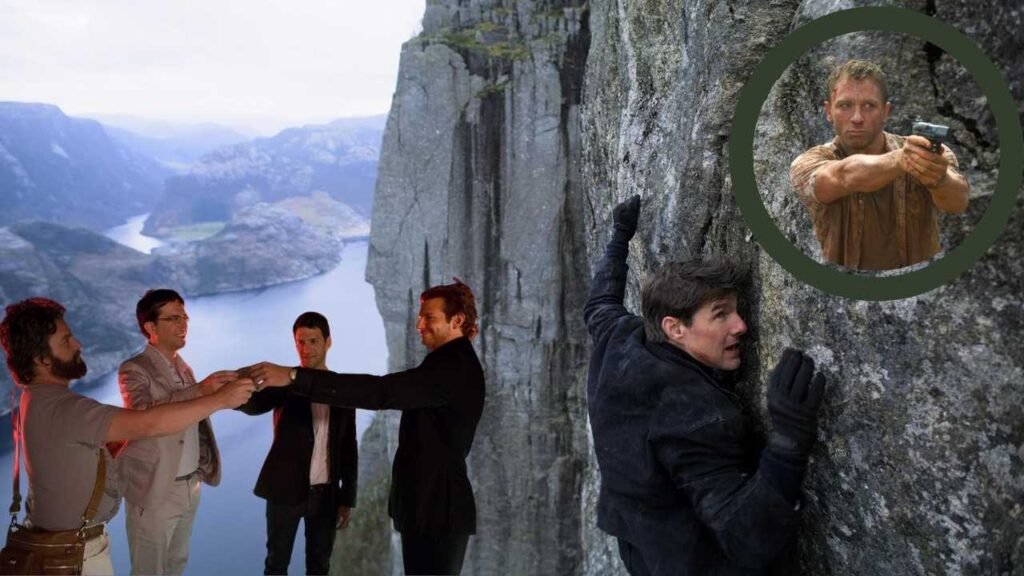
Similarly, many entries in the Mission: Impossible franchise open with a high-stakes mission or suspenseful set piece, establishing the scale and excitement viewers can expect.
Horror relies on the same principle. The iconic opening of Scream creates tension, unpredictability, and danger almost instantly. Meanwhile, A Quiet Place establishes its unique rules and terrifying stakes within its first few scenes, ensuring audiences understand that every sound matters.
Even comedies make promises. The opening of The Hangover doesn’t reveal the mystery at the heart of the story, but it clearly signals the chaotic and outrageous journey ahead.
What’s important is that these openings don’t give away everything. They leave plenty of surprises for later. Instead, they establish trust. They reassure audiences that the filmmakers have a clear vision and that the next two hours are worth committing to.
In that sense, a great opening isn’t the whole movie in miniature, it’s a promise that the movie knows exactly what it wants to be.
Why Some Movies Hook You Instantly While Others Lose You?
One of the biggest misconceptions in filmmaking is that audiences need constant action to stay engaged. In reality, viewers don’t need explosions or spectacle in the opening minutes—they need curiosity.
The fastest way to lose an audience is often through storytelling choices that feel passive rather than intriguing.
Excessive exposition, slow setups without a clear hook, generic character introductions, or an overreliance on franchise knowledge can make viewers feel like they’re waiting for the movie to start rather than actually watching it.
The best openings do the opposite. They create questions that audiences want answered.
Consider the bank robbery that opens The Dark Knight. The sequence introduces the Joker without lengthy explanations, allowing mystery and tension to do the heavy lifting.
Viewers immediately want to know who this character is and what he’s capable of.
Mad Max: Fury Road takes a different approach. Instead of slowly explaining its world, it throws audiences directly into the chaos and trusts them to keep up. The result is instant momentum.
The opening of Jurassic Park relies on mystery. The audience doesn’t fully see the danger, but the film quickly establishes that something powerful and terrifying is lurking behind the scenes.
Meanwhile, the black-and-white opening of Casino Royale immediately redefines James Bond as a more grounded and brutal character, while Top Gun: Maverick uses its flight test sequence to showcase the practical action and high-stakes excitement that will define the rest of the movie.
These openings all work differently, but they share one important trait: they make audiences curious about what comes next. And in many cases, that curiosity is far more powerful than any special effect.
Audiences Aren’t Looking for Perfection–They’re Looking for Confidence
Sometimes an entire movie’s relationship with its audience is shaped by a single early scene.
Not because that scene contains the film’s biggest twist or most spectacular moment, but because it’s the point where viewers decide to emotionally invest. In many ways, these scenes function as “buy-in” moments. They convince audiences that the story is worth following.
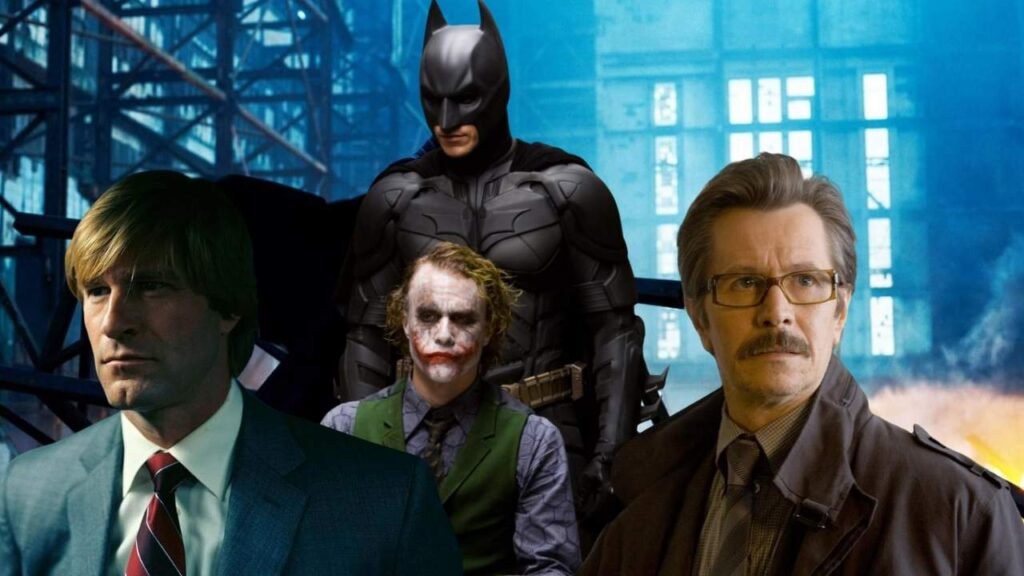
The opening bank robbery in The Dark Knight immediately establishes the Joker as a fascinating and unpredictable threat. The Normandy landing in Saving Private Ryan signals that the film will treat war with an intensity and realism rarely seen before.
Meanwhile, the “Married Life” montage in Up creates an emotional connection so powerful that audiences become invested in Carl’s journey long before the main adventure begins.
What’s interesting is that these scenes aren’t necessarily perfect. They simply radiate confidence.
That may be what audiences are really looking for. Viewers don’t expect every movie to be flawless. They want to feel that the filmmakers know exactly what kind of story they’re telling.
Consider Barbie, Oppenheimer, and Everything Everywhere All at Once.
They are radically different films in tone, style, and subject matter. Yet all three establish a strong identity early. They signal a clear creative vision and invite audiences to trust the journey ahead.
When filmmakers project that confidence, viewers are often willing to follow them anywhere. And once that trust is earned, the rest of the movie has a much easier job keeping audiences engaged.
The First 10 Minutes Are Now Part of the Marketing
In the social media era, a movie’s opening doesn’t just introduce the story, it often becomes part of the marketing campaign. Powerful opening scenes regularly escape the movie itself and take on a second life online.
The opening narration of The Batman, the parody of 2001: A Space Odyssey that opens Barbie, the bank robbery from The Dark Knight, and the flight test sequence in Top Gun: Maverick all became talking points long after audiences left the theater.
These moments are dissected in YouTube essays, shared as clips, turned into memes, and discussed across social media platforms. In some cases, they become more recognizable than entire scenes that appear later in the film.
That reality highlights why first impressions matter more than ever. A strong opening doesn’t just convince one viewer to keep watching, it encourages that viewer to tell others. The first ten minutes often become the first advertisement audiences create for each other.
Ultimately, the “10-Minute Rule” isn’t about attention spans or demanding constant excitement.
It’s about trust. Great openings establish confidence, spark curiosity, and give audiences a reason to invest. Filmmakers may spend years crafting a movie, but viewers often decide whether they’re willing to take the journey within the opening minutes.
And in a world filled with endless entertainment choices, those first ten minutes may be the most important minutes of all.
